Unlocking Intra-African Trade: Five Mindset Shifts from African CEOs
Read more

As global markets continue to shift, intra-African trade is emerging as one of the continent’s greatest opportunities for long-term economic growth, resilience and competitiveness.
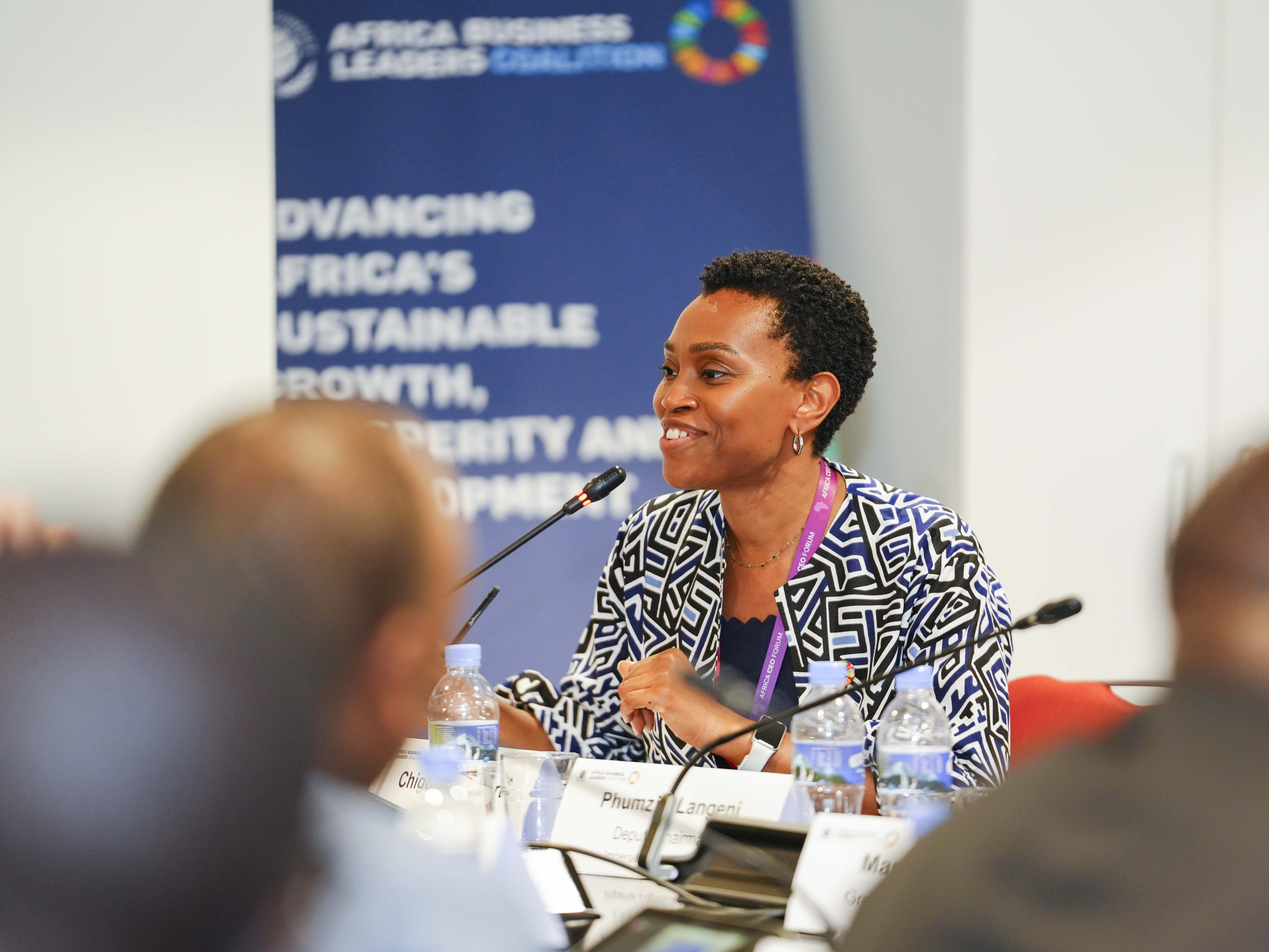
The African Continental Free Trade Area (AfCFTA) has the potential to strengthen regional value chains, accelerate industrial development and unlock new opportunities for trade, investment and economic growth across Africa. But realizing that potential will require more than policy reform alone. It will mean a broader shift in how governments, businesses and institutions approach regional collaboration, trade and economic integration.
At the Africa CEO Forum in Kigali, Rwanda, the Africa Business Leaders Coalition (ABLC), a CEO-led platform convened by the UN Global Compact, launched Five Mindset Shifts to Unlock Intra-African Trade: A Perspective from African CEOs, a new roadmap for strengthening regional integration, expanding African value chains and positioning the continent for long-term competitiveness.
Africa’s transformation will depend not only on investment and infrastructure, but also on a fundamental shift in mindset around collaboration, industrialization and implementation.
Unlocking the full potential of intra-African trade will require five fundamental mindset shifts.
Five mindset shifts for Africa’s future
1. Synergy, not separation, will drive Africa’s growth
Africa’s long-term competitiveness depends on stronger regional coordination, not fragmented national approaches. Governments, businesses and institutions must increasingly think beyond borders and approach the continent as an interconnected economic ecosystem.
2. Africa can produce, not just supply
Africa has an opportunity to move beyond extractive economic models toward greater industrialization and regional value creation. Rather than exporting raw materials and importing finished goods, the continent can strengthen manufacturing, local production and regional value chains across sectors, including agriculture, automotive manufacturing and pharmaceuticals.
3. See mobility as an opportunity, not a risk
The movement of people, talent and skills is essential to accelerating intra-African trade. Easier mobility across borders can strengthen supply chains, improve workforce development and support greater economic integration across the continent.
4. View infrastructure as networks, not monuments
More coordinated infrastructure planning across Africa will be critical to enabling regional trade and connectivity. Rather than building isolated national projects, there is an opportunity to create interconnected transportation, logistics, energy and digital networks that support long-term economic growth.
5. Africa’s time is now, not in a decade
As global supply chains shift and competition intensifies, faster implementation and stronger public-private collaboration will be critical to unlocking the full potential of the AfCFTA. Early progress, practical pilots and scalable solutions can help build momentum and demonstrate what is possible.

The role of business in advancing regional growth
The private sector has a critical role to play in supporting industrial development, strengthening regional value chains and accelerating sustainable growth across the continent.
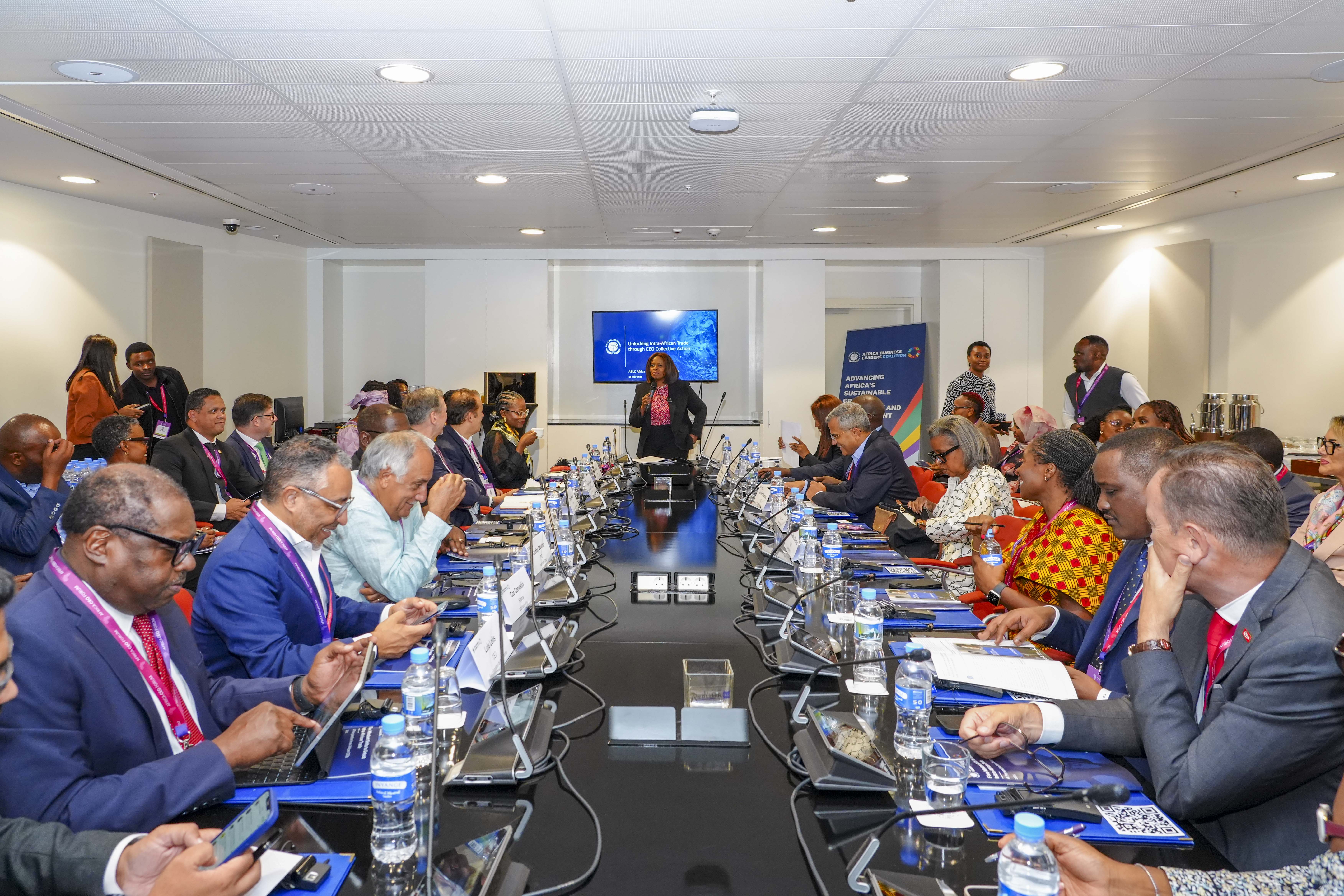
In sectors including agriculture, automotive manufacturing and pharmaceuticals, stronger regional coordination and investment can help improve competitiveness, build resilience and unlock new economic opportunities. Investment in emerging technologies, workforce readiness and artificial intelligence will also help position African economies for the future.
As Africa navigates a rapidly evolving global economy, stronger regional integration and faster implementation will be essential to unlocking sustainable growth at scale.