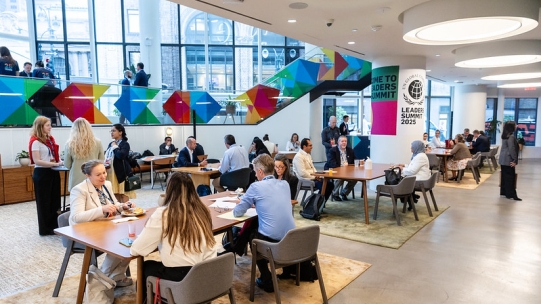
Accelerating innovation: young professionals pave the way
Read more

The SDG Innovation Accelerator for Young Professionals is a dynamic programme designed to empower the next generation of business leaders. Over the course of the nine-month programme, young professionals experience hands-on learning, real-world case work, peer collaboration and mentorship, enabling them to turn sustainability ambition into innovative and measurable outcomes.
At its core, the SDG Innovation Accelerator for Young Professionals gives companies a powerful opportunity: to activate young talent to transform big ideas into scalable solutions aligned with the Sustainable Development Goals (SDGs).
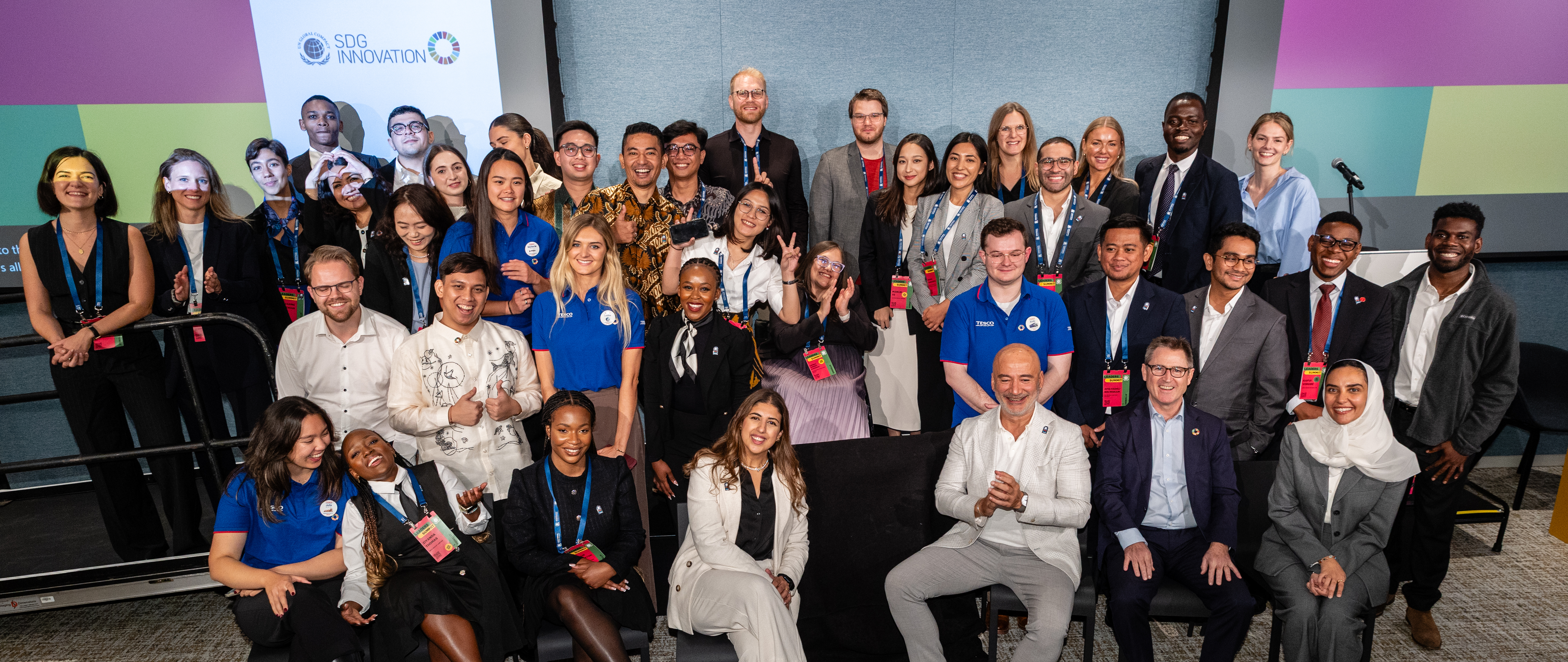
In 2025, the programme brought together 1,467 innovators from 451 companies across 54 countries, creating a truly global community of young professionals working at the intersection of sustainability, innovation and business transformation.
Participants explore emerging technologies, business-model innovation and impact-driven design, all while collaborating across sectors and geographies. The programme is specifically crafted to help companies harness internal talent and equip them with the tools to prototype new ideas that strengthen both sustainability outcomes and long-term business value.
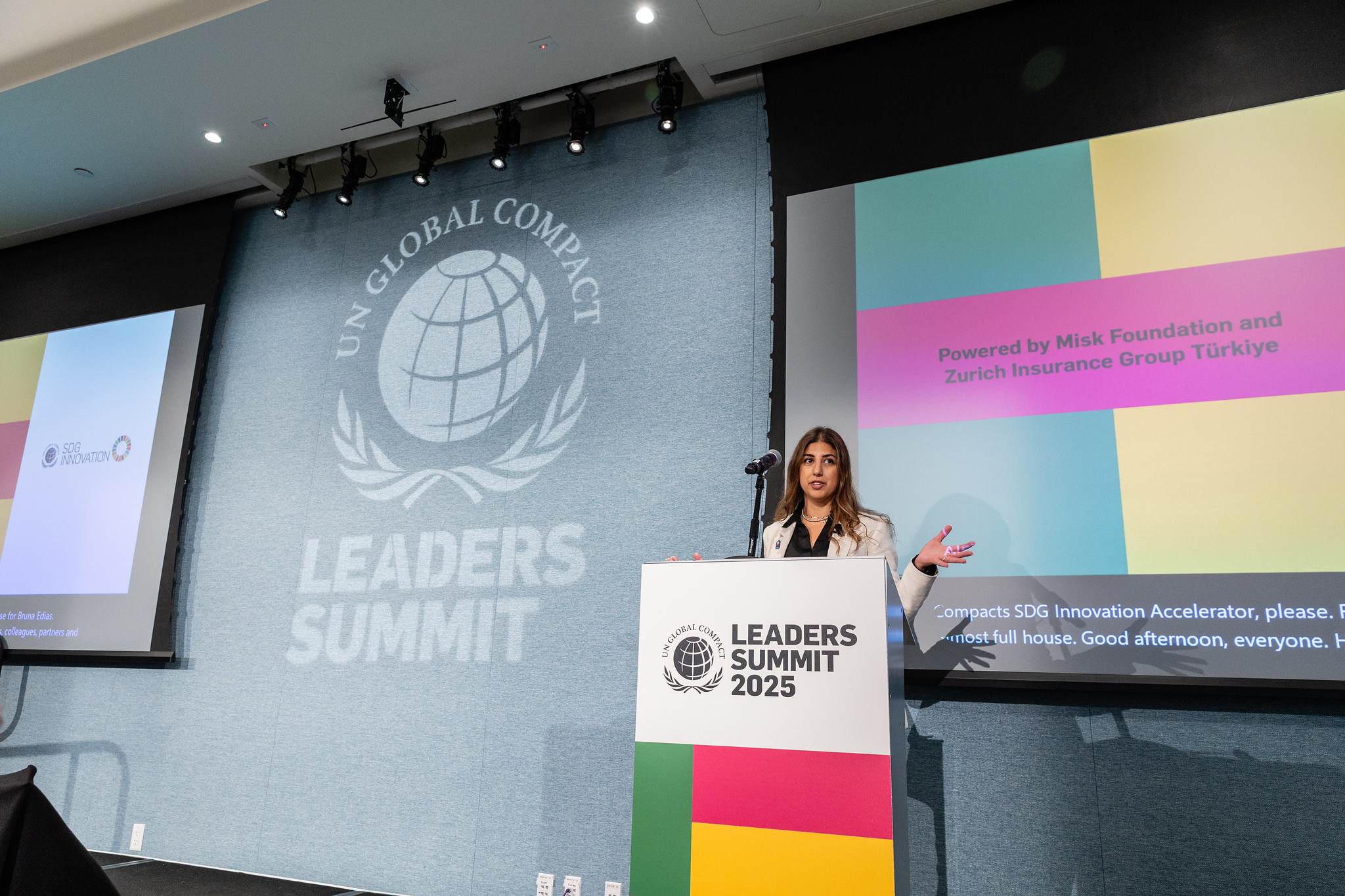
At the UN General Assembly held in New York last September, 15 companies from the Accelerator cohort took the stage at the UN Global Compact Leaders Summit, sharing solutions spanning diverse SDG focus areas and demonstrating how young professionals are helping businesses translate sustainability commitments into action.
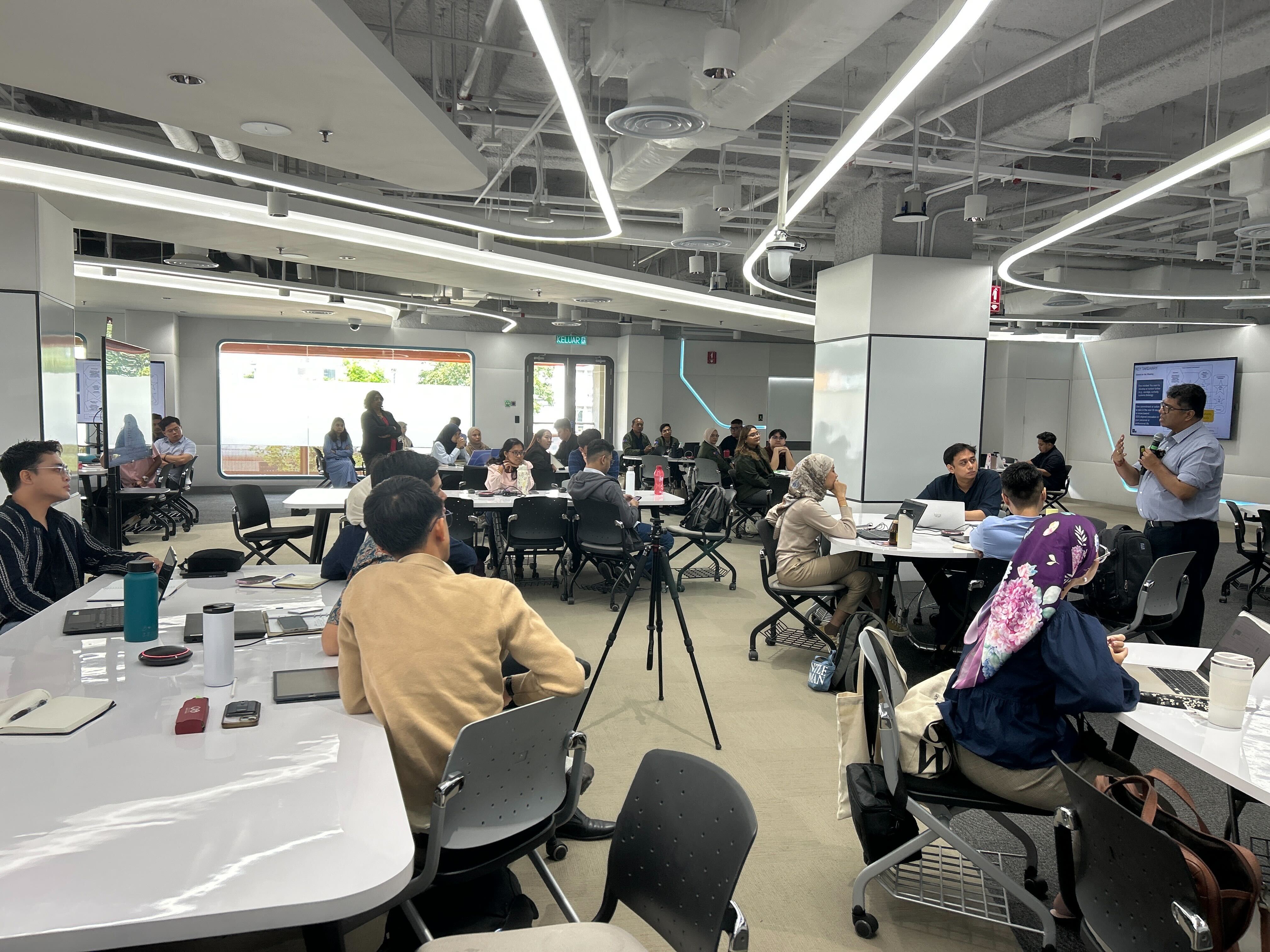
These teams addressed priorities including climate action, responsible production and consumption, inclusive workforce practices, environmental, social and governance (ESG) data and transparency and sustainable value-chain transformation. Their work did more than inspire the room; it showed what is possible when innovation, leadership and purpose align.
Solutions on stage:
Climate:
International Corporation ICR (retail, Georgia)
International Corporation is one of the largest retail businesses in Georgia, representing international brands that include shoes, clothes, accessories, furniture and food and beverage outlets.
The ICR team developed a plan to reimagine its logistics system as a circular, low-emissions model. The project focuses on fully electrifying ICR’s delivery fleet and powering warehouses and electric vehicles with solar energy. Once implemented, the solution is expected to:
- Reduce logistics-related CO₂ emissions by 420 tonnes annually
- Cut overall logistics costs by 43 per cent
- Generate approximately US$ 95,000 in annual savings
Fugro (Engineering services, Netherlands)
Fugro is a global leader in geo-data services, providing geotechnical, survey and asset integrity solutions across land and marine environments. The company’s mission is to support infrastructure, energy and climate adaptation projects while contributing to a safe and liveable world.
The Fugro team presented a Project Impact Score Framework designed to quantify and communicate the positive sustainability contributions of the company’s products and services across their lifecycle. The framework enables teams to translate complex geo-data services into clear, project-specific sustainability metrics aligned with internal ESG goals and external SDG targets, including clean energy, resilient infrastructure and climate action.
CAIER (Research and environmental innovation, Central Asia)
The Central Asian Institute for Environmental Research (CAIER) focuses on ecology, natural resource management and environmental protection across Central Asia, with a strong emphasis on addressing regional sustainability challenges.
The CAIER team presented a smart water reuse system designed to address growing water scarcity. The solution collects rainwater and greywater, treats it for non-drinking uses such as irrigation, toilets and building maintenance and monitors performance through a simple digital application. By reducing reliance on potable water for non-essential uses, the system can cut drinking water consumption by up to 30 per cent, offering a practical, scalable approach for cities, residential complexes and agricultural settings facing increasing water stress.
Synthos S.A. (manufacturing, Germany)
Synthos S.A. is a leading chemical manufacturer focused on innovation, energy efficiency and reducing the environmental footprint of industrial production.
Synthos presented a solution centred on decarbonizing industrial energy use, specifically by replacing coal-based steam generation with lower-emission alternatives. The project explored pathways to reduce greenhouse gas emissions within energy-intensive manufacturing processes while maintaining operational reliability.
Risk reduction:
PLDT Inc. (telecommunications, Philippines)
PLDT Inc. is the Philippines’ largest fully integrated telecommunications company, committed to enabling digital connectivity while strengthening resilience, transparency and sustainable operations.
The PLDT team presented a centralized ESG data and reporting dashboard designed to improve how sustainability information is collected, analyzed and communicated across the organization. The solution aims to address fragmented ESG data systems by integrating key environmental and social metrics into a single platform, supporting more informed decision-making, regulatory readiness and long-term sustainability planning.
Digital transformation:
MTN Group (telecommunications, South Africa)
MTN Group is a multinational telecommunications company committed to connecting people, driving digital inclusion and supporting social and economic development across Africa and the Middle East.
MTN’s team introduced an AI-powered digital safety solution designed to protect customers from fraud and digital harm. The tool leverages artificial intelligence to detect suspicious activity and enhance user trust, addressing growing risks associated with digital expansion.
Lenovo (technology, China)
Lenovo is a global technology company committed to contributing to a better society through responsible innovation and the use of technology to drive positive social and economic outcomes.
The Lenovo team presented the EcoChain AI System, an AI-powered solution designed to help small and medium-sized enterprises (SMEs) navigate supply chain complexity and digital transformation. The system functions as a real-time AI supply chain assistant, helping SMEs predict risks, optimize inventory, coordinate logistics and reduce costs. Through deep learning applied to Lenovo’s knowledge base and SME data, the solution also generates tailored resources to build capacity and resilience, while creating pathways for women entrepreneurs to access mentorship opportunities with female industry leaders.
Agriculture:
PT Singaland Asetama (agriculture, Indonesia)
PT Singaland Asetama is an Indonesian agribusiness company primarily engaged in the cultivation, processing and production of palm oil and its derivatives, supplying key inputs for food, cosmetics and biofuel industries while advancing more sustainable practices across its operations.
The Singaland Asetama team presented the Green Carbon Black project, an innovative circular economy solution that converts empty fruit bunches (EFB) from palm oil production and plastic waste into sustainable carbon black using advanced pyrolysis technology. By transforming agricultural and plastic waste into a valuable industrial material for use in rubber, plastics and coatings, the solution reduces landfill waste, lowers environmental pollution and creates income-generating opportunities for local communities.
Accelerating innovation for the Sustainable Development Goals
Sustainability challenges, from climate change to inequality to resource scarcity, require bold, creative solutions. Businesses increasingly recognize that tackling these challenges is not only important but a competitive advantage. This is where the SDG Innovation Accelerator becomes transformative.
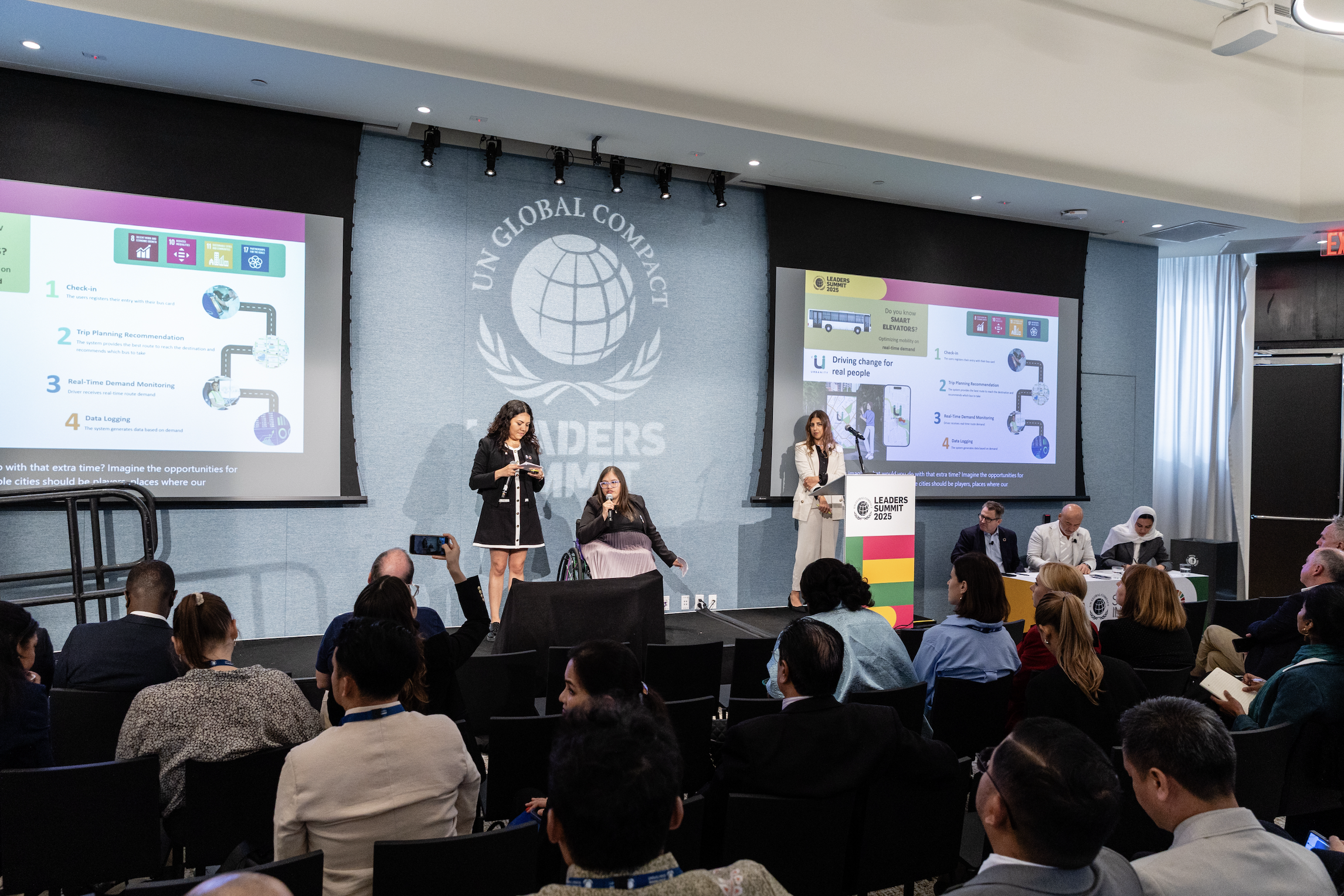
Companies emerge from the programme with tangible business solutions that can enhance efficiency, reduce emissions, enter new markets or improve value-chain sustainability. Many teams also identify opportunities to streamline internal processes, leverage emerging technologies or address long-standing operational challenges through fresh, SDG-aligned thinking. In the latest cohort, 87 per cent of respondents agreed that the Accelerator helped integrate the SDGs into their company’s business strategy, and 93 per cent reported satisfaction, demonstrating how innovation efforts translate directly into organizational transformation.
Additionally, the Accelerator invests in the leadership pipeline. Young professionals who participate leave with stronger innovation capabilities, deeper SDG knowledge and a clearer understanding of how sustainability drives growth. 88 per cent of respondents indicated they were satisfied with the mentorship and networking opportunities provided—key elements that strengthen leadership development and cross-industry collaboration.
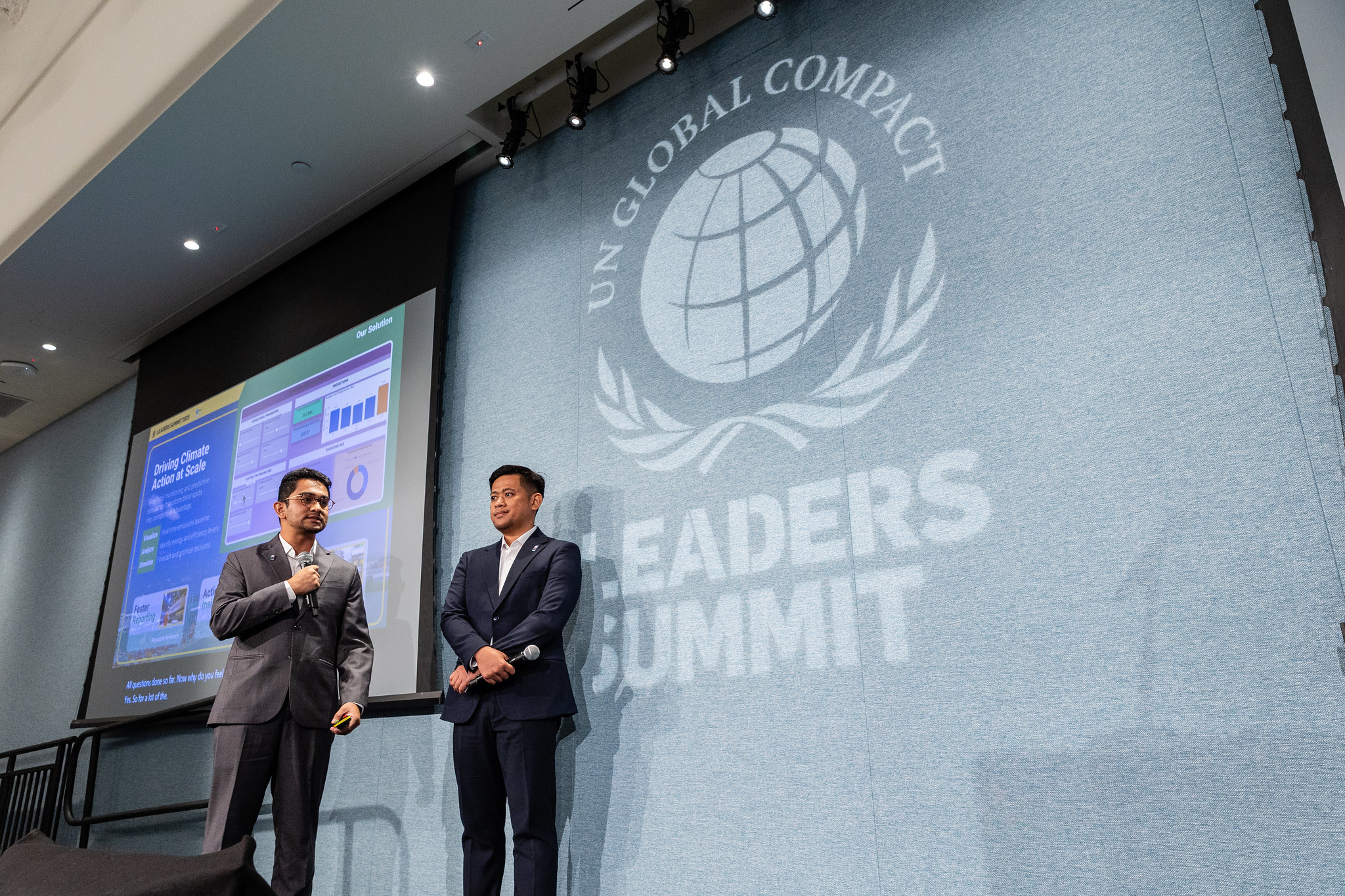
Finally, the growing Accelerator strengthens peer-to-peer learning—the latest round included over 400 participating companies across 20 Country Networks. Through the programme, participants gain insights from industries and regions around the world, expanding their perspectives and enabling more powerful collaborations.
Join us
If your organization is ready to accelerate innovation, you can join our upcoming round! The Accelerator is open to young professionals (35 and under) from companies participating in the UN Global Compact. Each participant dedicates at least four hours per month to the learning plan and attends a minimum of four full-day workshops. With hundreds of companies and Country Networks participating each year, the Accelerator has become a global engine for innovation.
https://unglobalcompact.org/take-action/sdg-innovation-accelerator
The SDG Innovation Accelerator is run in collaboration with Global Compact Networks and is currently available in more than 20 countries. Sign up through your Country Network and join the next global cohort.
Applications close on January 31st, 2026.