
Roca Group decarbonizes ceramic manufacturing and cuts its Scope 1 and 2 emissions by 58%
Start Reading

1. Company at a Glance
In this case study, we look at how Roca Group transformed its production model through energy efficiency, process electrification and renewable electricity. A central breakthrough was the commissioning of the world’s first fully electric tunnel kiln for sanitary ceramics, demonstrating that high-temperature manufacturing can be decarbonized at industrial scale while maintaining product quality and production capacity.
Bathroom products manufacturing
Industry
1917
Founded
Spain
Headquarters
20,000
Number of Employees
Industrial operations in 22 countries across five continents and commercial presence in over 170 countries
Global Presence
2. The Challenge
Decarbonizing high-temperature manufacturing while remaining competitive
Roca Group’s manufacturing processes are energy-intensive, particularly the firing of sanitary ceramics at temperatures above 1,200°C. These processes have historically depended on natural gas and represented one of the most difficult parts of the Group’s climate footprint to decarbonize. Any alternative needed to operate continuously while maintaining product quality, production capacity and industrial reliability.
At the same time, dependence on fossil fuels exposed the company to volatile energy prices and increasing regulatory and carbon-related risks. Customers, architects, developers and construction companies were also demanding more reliable environmental data and lower-carbon products to support their own climate and building-certification objectives.
Roca Group therefore faced a combined environmental and business challenge: how to reduce emissions from energy-intensive industrial processes while improving energy resilience, cost predictability and long-term competitiveness.
3. The Action
Building and scaling a factory-by-factory decarbonization model
In 2021, the company established a dedicated industrial decarbonization roadmap to address this challenge systematically, with the aim of transforming its production model through energy efficiency, electrification, and technological innovation.
The roadmap is embedded in the corporate strategy and in the Group’s triple positive impact purpose — People, Planet, and Prosperity— and pursues the following objectives:
- Reduce absolute Scope 1 and 2 emissions by 42% by 2030, using 2021 as the base year. Near-term target validated by the Science Based Targets initiative (SBTi).
- Reduce Scope 3 emissions by 25% over the same period, a target likewise validated by SBTi.
- Scale the decarbonized factory model across the full range of categories that make up a complete bathroom.
REDUCE: ENERGY EFFICIENCY BEFORE SWITCHING THE SOURCE
The first step is always to cut energy demand. The Group has implemented heat recovery, compressed air optimization, variable-frequency drives, more efficient equipment, insulation upgrades, and digital monitoring, with more than 180 measures carried out globally.
REPLACE: ELECTRIFICATION OF THERMAL PROCESSES
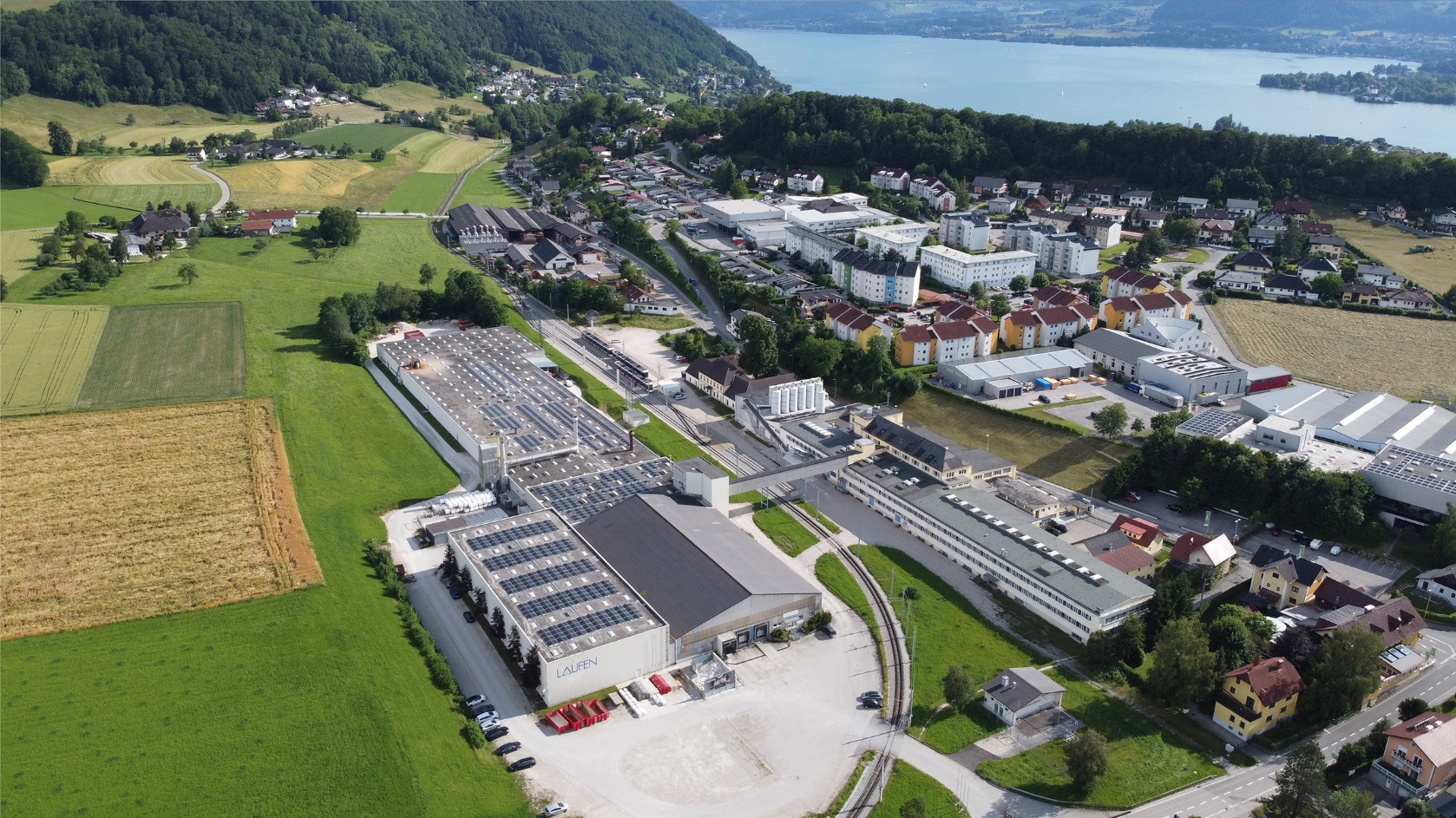
Roca Group is replacing fossil-fuel technologies with electric alternatives, including kilns, heat pumps, boilers and auxiliary equipment. Its main breakthrough was the world’s first fully electric tunnel kiln for sanitary ceramics, commissioned at the Gmunden plant in Austria in 2023 after four years of joint development with Keramischer OFENBAU. The project demonstrated that a continuous firing process operating above 1,200°C could be electrified at industrial scale while maintaining product quality and production capacity.
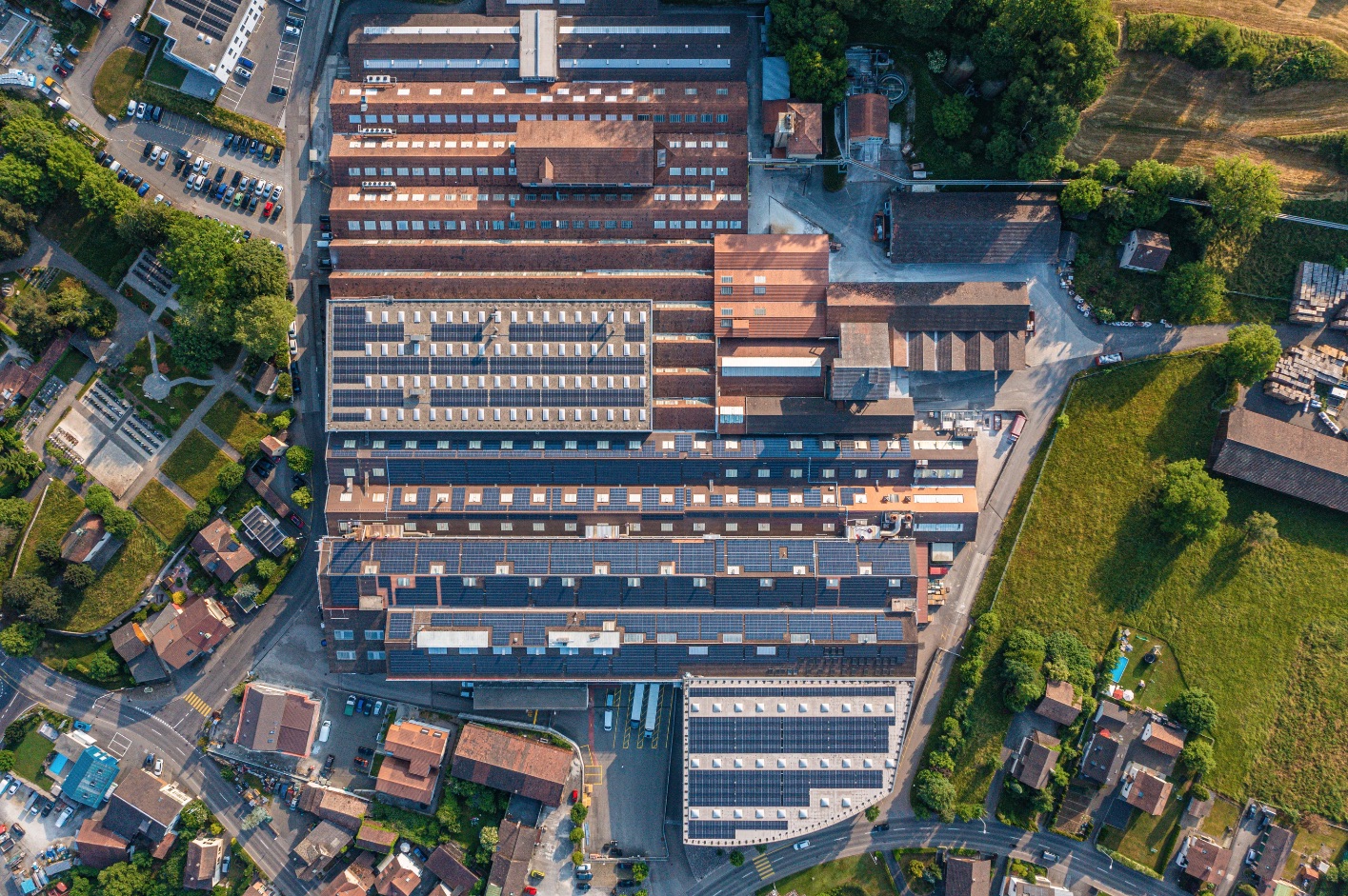
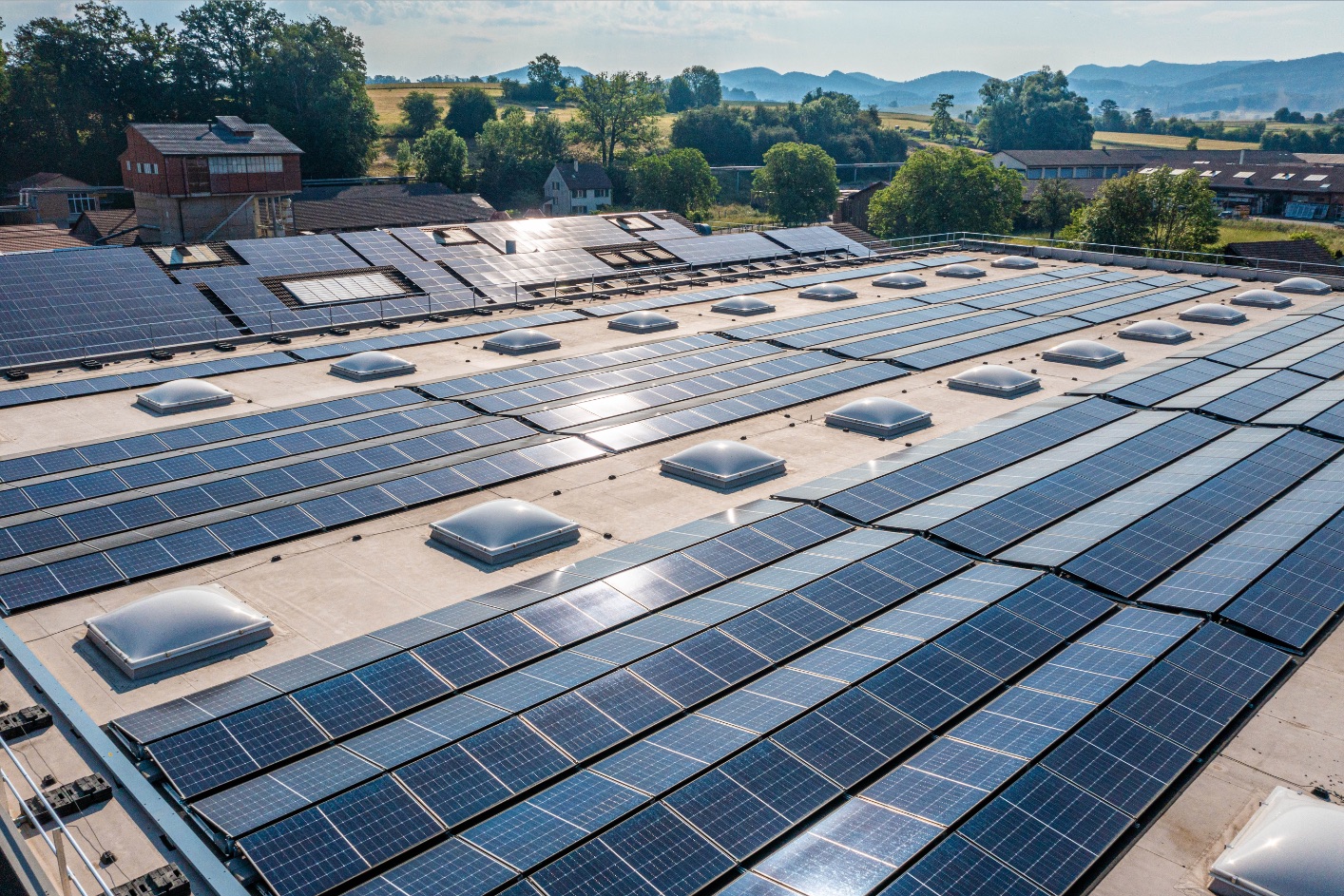
The company subsequently electrified the plant’s remaining processes and switched to certified renewable electricity, supplemented by 5,000 onsite solar panels that cover approximately 20% of demand. This made Gmunden the first sanitary ceramics factory to eliminate energy-related operational emissions*.
*“Zero energy-related operational emissions” means that the manufacturing processes concerned have eliminated emissions from fossil energy use and run exclusively on certified renewable electricity. It does not amount to a zero life-cycle footprint: some plants may retain residual, unavoidable non-energy Scope 1 emissions from process reactions or refrigerants, which are measured and reported within the Group’s greenhouse gas inventory.
ATTRIBUTE RENEWABLE ELECTRICITY
Electrification delivers the expected climate benefit only if the electricity comes from renewable sources. The Group has expanded its own photovoltaic generation and secured renewable supply through certified contracts and long-term agreements, including two ten-year PPAs: one linked to solar facilities in Spain, covering demand from its European industrial operations, and another covering 100% of the Group’s electricity consumption in Brazil.
SCALE THE MODEL TO NEW CATEGORIES AND GEOGRAPHIES
Between 2025 and 2026, nine factories completed their decarbonization process and now produce the main components of a complete bathroom without energy-related operational emissions. The pathways differ: existing factories require retrofits and the replacement of fossil-fueled equipment, whereas new ones are designed around electrification and low consumption from the outset, such as the shower enclosure plant in Anadia (Portugal), powered exclusively by on-site solar generation.
Roca Group’s next priority is to move from pioneering projects to the systematic scaling of its decarbonization model across additional factories, product categories and geographies.
ENGAGE THE VALUE CHAIN
Roca Group extended its decarbonization roadmap beyond its direct operations by identifying and engaging the suppliers with the greatest impact on its Scope 3 footprint. The supplier collaboration programme covers close to 1,500 companies representing more than 75% of the Group’s Scope 3 emissions.
Priority suppliers have been invited to provide company-specific emissions data, enabling Roca Group to improve the transparency and accuracy. The programme provides suppliers with access to free emissions-calculation tools and training resources, while encouraging them to establish measurable reduction targets aligned with climate science.
TRANSPARENCY AND PUBLIC ADVOCACY
Roca Group publishes its roadmap and emissions data through the Integrated Annual Report, sustainability reporting, and industry forums, and has shared the Gmunden case as evidence that high-temperature ceramic production can be electrified in a technically and economically viable way. The technology also applies to structural and technical ceramics, tiles, and tableware. The company additionally takes part in UN Global Compact working groups and in other climate and industry initiatives.
4. Overcoming Barriers
Developing a technology without an established industrial precedent
There was no established industrial precedent for an electric tunnel kiln producing sanitary ceramics at this scale. Roca Group addressed this challenge through several years of joint engineering, testing and development with specialist kiln manufacturer Keramischer OFENBAU.
Securing sufficient electrical capacity and renewable electricity
Electrifying high-temperature and other energy-intensive processes substantially increases a factory’s electricity requirements. However, grid capacity, connection timelines, permitting requirements and the availability of competitively priced renewable electricity vary significantly between locations. Roca Group therefore developed site-specific implementation pathways rather than applying a uniform timetable across its industrial network.
Managing high upfront investment and longer payback periods
Many of the projects required significant initial capital and could not be justified solely through short-term energy savings. Roca Group broadened its investment criteria to consider avoiding exposure to carbon costs and volatile fossil-fuel prices, improved energy-price predictability, reduced dependence on fossil fuels, regulatory preparedness and long-term industrial competitiveness.
Building organizational confidence in new industrial practices
The transition also required employees to challenge long-established manufacturing practices and adopt technologies without an extensive industrial track record. Senior-management sponsorship, multidisciplinary governance, technical training, transparent performance data and visible early successes helped build confidence across the organization.
Adapting the model to different factories and production processes
A single technical solution could not be transferred mechanically across factories producing different products and operating in different national energy systems. Roca Group responded by preparing factory-level plans based on each site’s products, technologies, age, location, energy requirements and infrastructure constraints.
5. Impacts & Results
Emissions and energy reductions
A 58% reduction in Scope 1 and 2 emissions between 2018 and 2025.
A 57% reduction in energy intensity over the same period.
83% of the near-term Scope 1 and 2 reduction target (2030) validated by SBTi has already been achieved.
A complete bathroom without energy-related operational emissions
Nine factories have eliminated energy-related operational emissions and use renewable electricity as their sole source of supply.
Efficiency and renewable generation
More than 180 energy efficiency measures implemented.
More than 45,000 solar panels installed, roughly 20.5 MWp of capacity and more than 24 GWh per year self-generated, complemented by two ten-year PPAs covering 100% of the Group’s industrial electricity consumption in Europe and Brazil.
Lower consumption, on-site generation, and the transformation of the energy mix may have avoided close to €60 million of exposure to 2025 energy prices, according to an internal scenario-based estimate (not a booked saving).
Impact on stakeholders and the industry
New in-house technical capabilities in electrification, renewable energy management, and low-carbon industrial design.
Greater availability of Environmental Product Declarations and improved carbon footprint data for architects, developers, distributors, and construction companies.
A ripple effect across the ceramic industry and multiple international awards, including: the EMAS Environmental Management Award; the TRIGOS Climate Protection Award; the Bathroom Association Sustainability Award; the Foment del Treball Sustainable Development Award; and the CEEC Best Business Practice Award.
6. Key Lessons Learned
Treat industrial decarbonization as a business-transformation programme
A technological breakthrough alone is not enough. Electrification must be supported by renewable electricity, investment capacity, factory-level expertise, operational discipline, cross-functional governance and a long-term business rationale.
Develop a specific pathway for each factory
Companies should not wait for a universal technical solution. The appropriate pathway depends on the product, production process, age of the facility, location, energy system and available infrastructure.
Standardize energy data and monitoring from the beginning
Comparable and granular information across factories improves investment prioritization, helps identify efficiency opportunities and makes progress easier to verify. Roca Group identified earlier standardization of its digital energy-monitoring systems and data architecture as an area that would have accelerated implementation.
Begin value-chain engagement while transforming direct operations
Starting with Scope 1 and 2 emissions allowed Roca Group to act in areas under its direct control. However, engaging suppliers in parallel would have helped the company address raw materials, logistics and product life-cycle emissions earlier, particularly as operational emissions declined.

"This journey shows that sustainability can mobilize an entire organization and turn industrial ambition into measurable impact. It is the result of combining a clear long-term vision with the expertise, commitment and collaboration of teams across the Group.”
Barbara Urdillo, Sustainability Director at Roca Group
7. Company Commitment
Roca Group has been a participant of the UN Global Compact since 2021, including:
Participant in the Climate Ambition Accelerator
Participant in the Target Gender Equality Accelerator
Participant in the Business and Human Rights Accelerator
8. Recommended Resources
Recommended UN Global Compact Resources



Download Case Study
Disclaimer: This case example is intended strictly for learning purposes and does not constitute an endorsement of the individual companies by the UN Global Compact.