From climate ambition to action. What COP31 means for your business.
Read more

On 9 November, negotiators from nearly 200 countries will gather in Antalya for COP31. Over the following two weeks, attention will turn to the agreements Governments can reach and what they mean for global climate action.
But for businesses, the bigger question is what happens next.
COP31 is being billed as the implementation COP, marking a shift from setting climate ambitions to delivering measurable results. A decade after the Paris Agreement, Governments face growing pressure to demonstrate that climate commitments are translating into progress in the real economy.
Business has a critical role to play. Governments can set the direction, but it is companies that will invest in new technologies, transform supply chains, develop infrastructure and bring solutions to market.
So what should business leaders be watching in Antalya and where can they make the greatest difference?
COP31 will bring together two closely connected processes. The formal negotiations, presided over by Australia's Chris Bowen, will determine the decisions governments make collectively. Alongside them, the Action Agenda, led by Türkiye's Murat Kurum, will focus on voluntary commitments, partnerships and initiatives that can accelerate implementation.
Both matter for business. The negotiations will help shape the policy and investment environment, while the Action Agenda offers companies opportunities to demonstrate leadership and work alongside governments and other stakeholders.
One of the biggest opportunities lies in electrification, which is rapidly becoming a driver of economic growth across industries, from manufacturing and transport to technology and infrastructure.
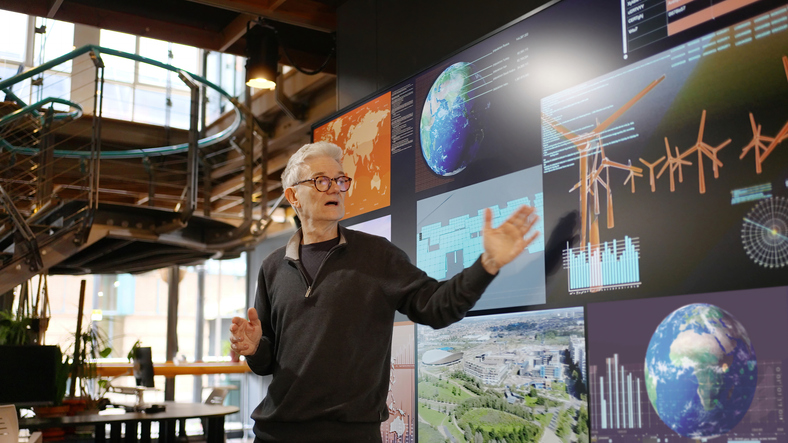
The COP31 Presidency has proposed increasing electricity's share of final energy demand from just over 20 per cent today to 35 per cent by 2035.
The economics are increasingly compelling. More than 90 per cent of new utility-scale renewable energy capacity commissioned in 2025 was cheaper than the lowest-cost new fossil-fuel alternative.
Yet significant barriers remain. Around 2,500 gigawatts of renewable energy projects are waiting for grid connections worldwide, highlighting the need for greater investment in transmission, storage and infrastructure.
For companies, the opportunity is to secure long-term clean electricity supplies, invest in on-site generation and storage, and advocate for policies that make clean energy easier and faster to deploy.
But accelerating the energy transition is only part of the challenge. Businesses must also prepare for a world in which climate risks are becoming more severe.
In September, the UN Environment Programme published its Limiting Overshoot report, warning that global temperatures are expected to exceed 1.5°C of warming within the next few years.
This does not diminish the importance of the Paris Agreement's goals. It makes urgent emissions reductions even more critical. Every fraction of a degree matters, and the faster emissions fall, the greater the opportunity to limit the scale and duration of temperature overshoot.
For businesses, this reinforces the need to pursue credible, science-based emissions reduction targets while strengthening resilience to climate impacts that are already unavoidable. Climate risk can no longer be confined to sustainability reporting. It must inform decisions about operations, investment, supply chains and workforce protection.
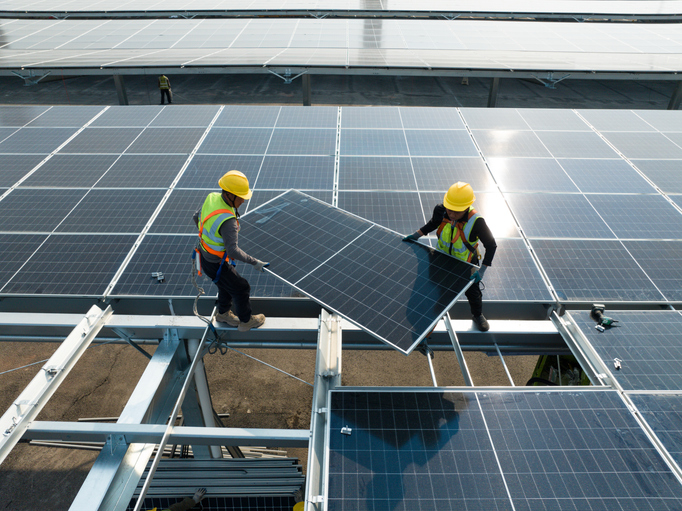
Finance will be another defining issue in Antalya, particularly the need to increase adaptation funding and deliver on commitments made at previous COPs.
The challenge is not simply mobilizing more capital. It is ensuring that investment reaches the countries and communities where it can have the greatest impact.
Emerging and developing economies outside China account for roughly two-thirds of the world's population but attract less than 30 per cent of global energy investment. They also face borrowing costs around twice as high as those in advanced economies.
Closing this gap will require Governments, financial institutions and businesses to work together to reduce investment risks and unlock private capital.
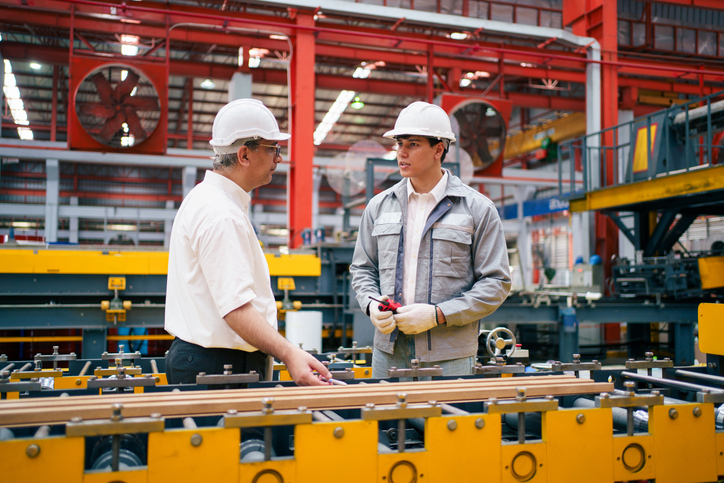
Initiatives such as the UN Global Compact's CFO Coalition for the SDGs are helping corporate finance leaders align investment decisions with sustainable development priorities, demonstrating how finance can drive climate action.
For companies, COP31 is an opportunity to bring finance teams more directly into the conversation and explore how capital allocation, investment partnerships and innovative financing instruments can support the transition.
Equally important is ensuring that the transition is fair and inclusive.
The shift towards a low-carbon economy will create new industries, jobs and opportunities. But it will also disrupt existing livelihoods, businesses and communities.
At COP30 in Belém, Governments agreed to establish a Just Transition Mechanism. COP31 is expected to advance work on putting that agreement into practice.
For businesses, a just transition means ensuring that the benefits of climate action are shared fairly and that workers and communities are not left behind.
That includes investing in workforce skills, supporting suppliers through the transition, engaging affected communities and helping expand access to affordable, reliable electricity for the 655 million people who still live without it.

These are not responsibilities for sustainability teams alone. They require leadership across human resources, procurement, finance and operations.
The good news is that businesses are already demonstrating what implementation looks like.
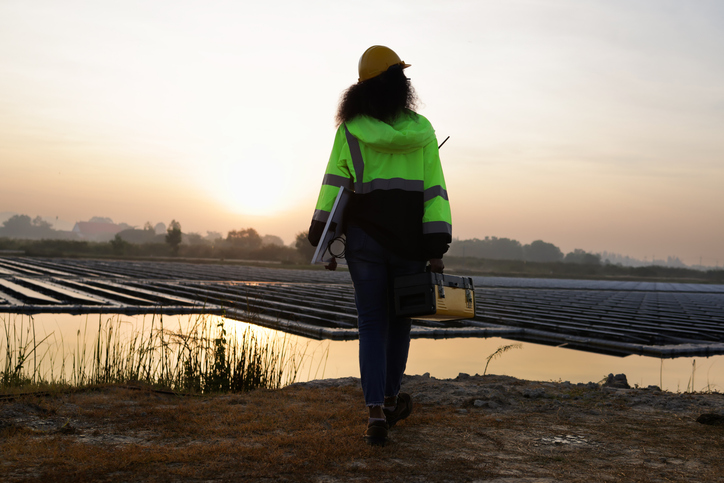
The COP31 Presidency's ten priority themes, covering areas such as green industrialization, resilient cities, food security and zero waste, underscore the scale of the opportunity for the private sector.
Companies participating in the UN Global Compact have reported more than 5,800 validated climate targets through their Communication on Progress, while more than 1,200 have made clean electricity commitments through the Forward Faster initiative.
The challenge now is to build on that momentum and demonstrate that climate ambition is both achievable and commercially viable. Business also has an important role in identifying the policies, financing mechanisms and partnerships needed to accelerate implementation at scale.
Turning COP31 outcomes into business action
Companies do not need to be in Antalya to contribute to COP31 or benefit from its outcomes.
They can use the fortnight to review their climate strategies, assess progress against existing commitments and identify opportunities to accelerate action. They can engage boards and finance teams on the implications of emerging agreements, strengthen partnerships and make new commitments through initiatives such as Forward Faster.
Throughout COP31, the UN Global Compact will help connect business leadership with the international climate agenda, including through the Caring for Climate High-Level Meeting on 12 November and engagements organized with Global Compact Network Türkiye.

The message from Antalya should be clear: climate ambition will succeed only if it translates into investment, innovation, and measurable progress.
Governments have a responsibility to create the conditions for change. Businesses have an opportunity—and a responsibility—to deliver it.
COP31 must be about moving from commitments to implementation.
For business, that work starts now.