
Turning Methane-Intensive Rice Farming into a Climate Action Model
Start Reading

1. Company at a Glance
In this case study, we will discover how CPCRT, CP Group’s rice business, turned one of the most emissions-intensive agricultural challenges—methane from rice cultivation—into an opportunity for climate action and increasing farmer resilience and business value. Through a structured low-carbon rice programme, the company combined Alternate Wetting and Drying (AWD) with regenerative and climate-smart farming practices, academic partnerships and hands-on farmer support to reduce emissions while maintaining productivity. The case shows how aligning climate commitments with supply-chain realities can help companies respond to buyer expectations, strengthen data credibility and build a scalable model for more sustainable agriculture.
Agri-business
Industry
1979
Founded
Bangkok, Thailand
Headquarters
899
Number of Employees
Thailand, Cambodia and Myanmar
Global presence
2. The Challenge
Addressing methane emissions in rice cultivation
Rice cultivation is one of the most emissions-intensive agricultural activities, primarily due to methane released from continuously flooded paddy fields. For CPCRT, this created both a strategic risk and a clear opportunity for action. On the risk side, the company faced growing pressure from international buyers seeking greater transparency on product- level greenhouse gas emissions, while its own net-zero ambition made upstream rice cultivation an increasingly material source of emissions. At the same time, climate change was already affecting farmers through more variable weather patterns and water-related challenges, making it essential to identify farming approaches that could reduce emissions without compromising productivity or livelihoods.
This challenge was made more complex by CPCRT’s membership-based sourcing model. The company works primarily with individual farmers who voluntarily participate as registered suppliers, rather than through contract farming arrangements. This meant CPCRT needed to drive change through guidelines, technical support, incentives and sustainability requirements, while respecting farmers’ operational independence.
CPCRT also recognized an opportunity to strengthen its long-term competitiveness by building a more climate-resilient and data-driven rice supply chain. The growing relevance of carbon markets and verified emissions reductions further reinforced the value of acting early. International climate and agriculture discussions, together with research from academic and technical partners, showed that practical solutions such as Alternate Wetting and Drying (AWD), improved nutrient management and regenerative practices could help address the challenge.
Rather than treating methane reduction as a compliance issue alone, CPCRT saw the chance to turn climate action into a business enabler—responding to customer expectations, supporting farmers and building a scalable model for low-carbon rice production.
3. The Action
Building a low-carbon rice programme through science, farmer engagement and phased implementation
DEVELOP SCIENCE-BASED GUIDELINES FOR LOW-CARBON RICE CULTIVATION
CPCRT’s work was anchored in CP Group’s Net Zero ambition, including its baseline year and emissions tracking across Scope 1, Scope 2 and relevant Scope 3 categories. The initiative helped translate these corporate climate targets into practical action at supply-chain level, particularly in upstream agricultural activities.
In 2025, CPCRT developed sustainable agriculture guidelines aligned with CP Group’s climate strategy and policies. To ensure the guidelines were technically robust and applicable in real farming conditions, the company worked with academic partners on key areas of expertise: King Mongkut’s University of Technology Thonburi supported greenhouse gas data collection and methodology; Rajamangala University of Technology Lanna advised on rice varieties and cultivation practices; and Kasetsart University contributed expertise on regenerative agriculture and soil organic matter improvement.
These partnerships helped CPCRT identify which practices could credibly reduce emissions, strengthen emissions tracking and reporting, and support practical reduction measures across the rice supply chain.
ASSESS LOCAL CONDITIONS BEFORE SELECTING THE RIGHT PRACTICE
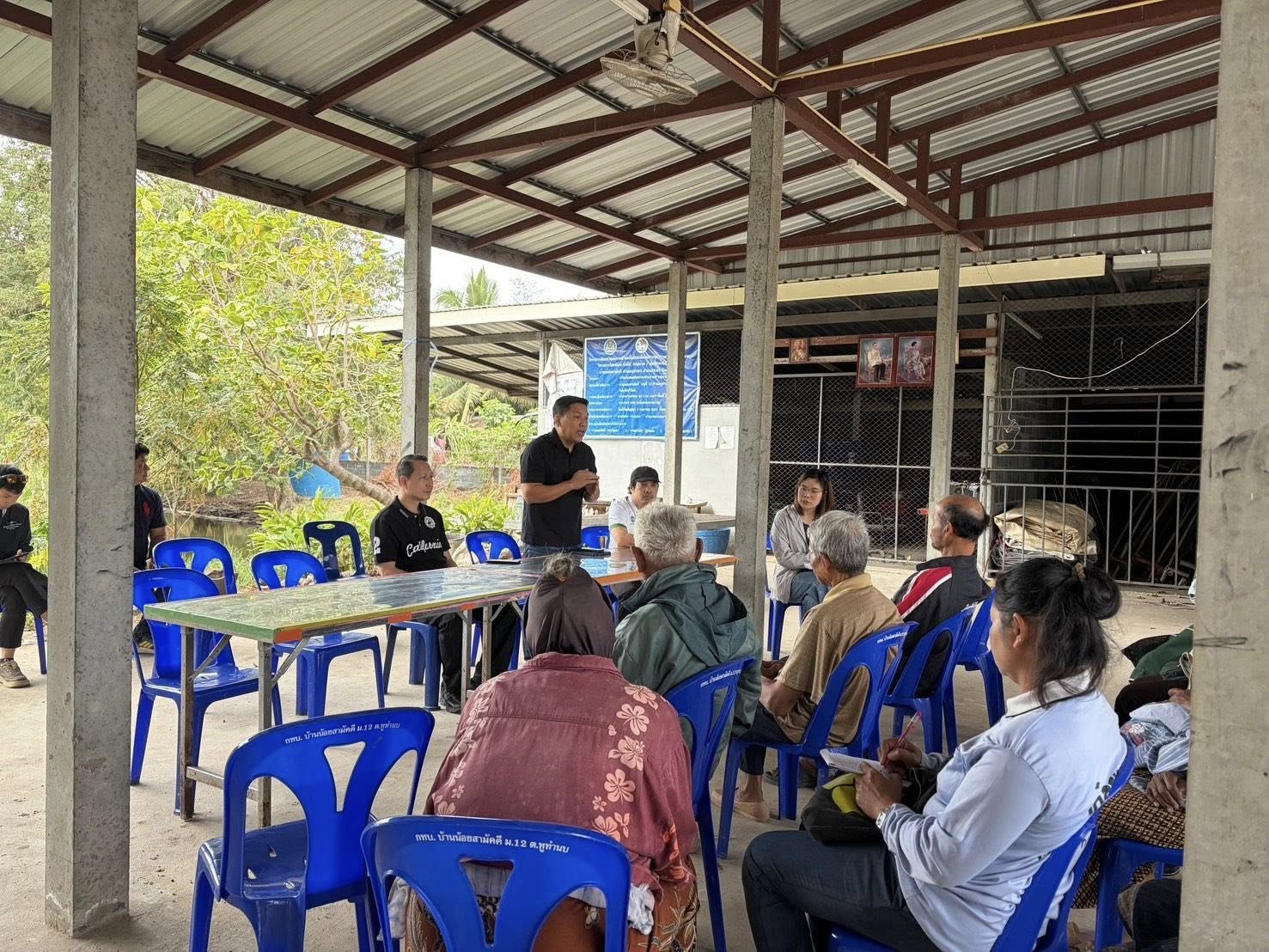
Before introducing new practices, CPCRT worked through community leaders to convene farmer groups and carried out area-specific assessments to determine which interventions were feasible in each location. These assessments considered factors such as irrigation conditions, soil characteristics and local farming realities, helping the company decide where AWD could be applied and where other low- carbon practices were more appropriate.
PILOT ALTERNATE WETTING AND DRYING WHERE CONDITIONS ALLOWED
The initiative was first tested to evaluate practicality and farmer acceptance. In locations with suitable water control, CPCRT introduced Alternate Wetting and Drying (AWD), a rice cultivation technique that replaces continuous flooding with controlled drying periods while maintaining the water levels needed at key stages of the crop cycle. This helped reduce methane emissions while maintaining rice yield and quality. The pilot approach allowed the company to test implementation on the ground before expanding the programme.
APPLY ALTERNATIVE LOW-CARBON PRACTICES IN AREAS WHERE AWD WAS NOT FEASIBLE
Where irrigation conditions made AWD difficult, CPCRT promoted other practices to reduce emissions and improve resilience. These included improved fertiliser management, soil analysis, soil organic carbon enhancement and other regenerative agriculture techniques. This flexible approach helped ensure that farmers in different regions could still participate in the programme using methods suited to their context.
PROVIDE CONTINUOUS FARMER TRAINING AND ON-SITE TECHNICAL SUPPORT
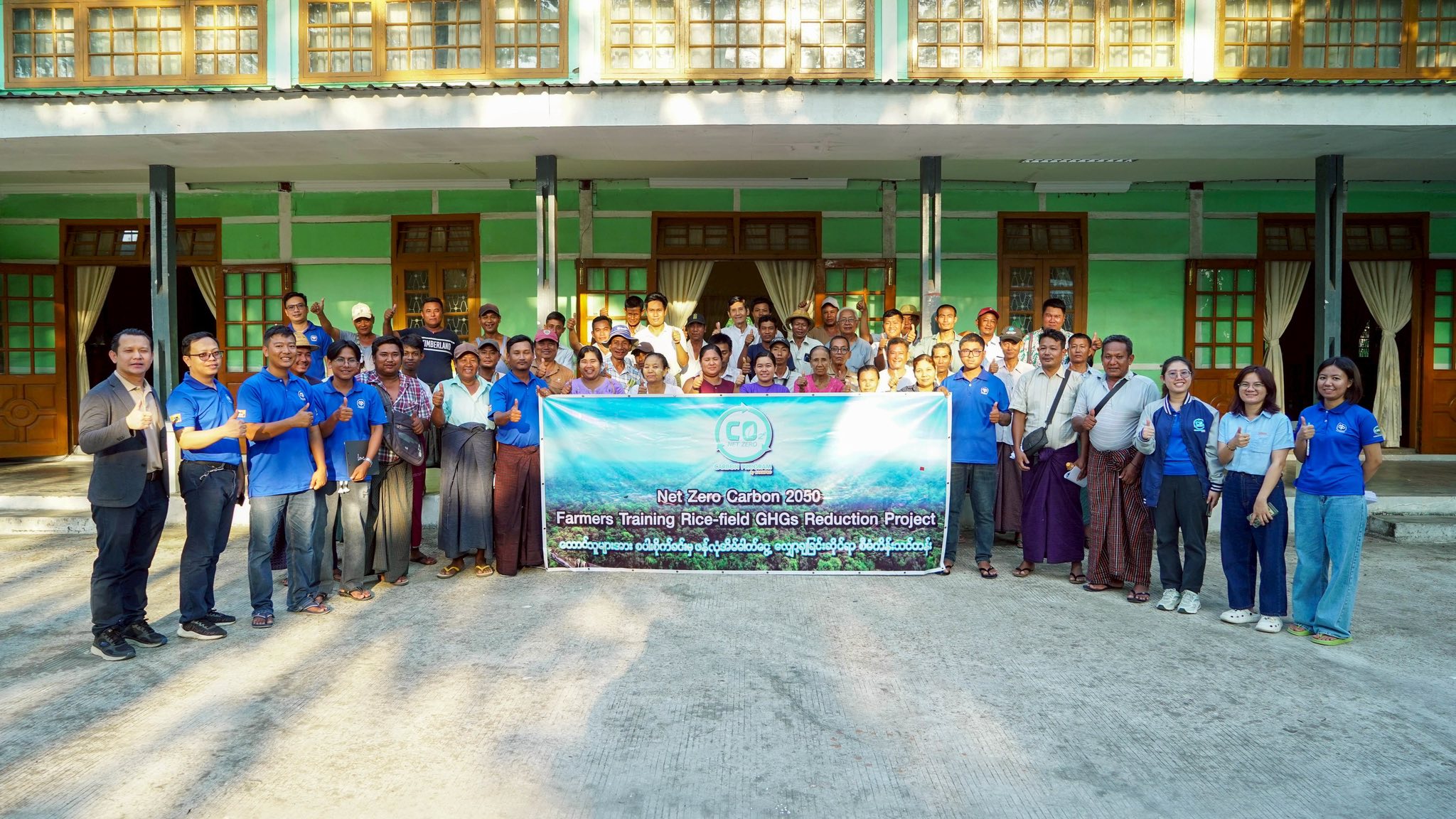
Farmer support was built from the start. CPCRT provided continuous on-site training on soil analysis, fertiliser and agricultural chemical use, water management and soil sampling. CPCRT field teams conducted regular field visits to help farmers apply the practices correctly, solve problems early and build confidence in the new approach. This close field-level engagement was essential to turning technical guidance into day-to-day farming practice.
MONITOR PERFORMANCE AND CREATE INCENTIVES FOR ADOPTION
To strengthen implementation, CPCRT established monitoring mechanisms to track guideline execution, soil conditions, yields and overall programme performance. By integrating data from existing systems and adding validation and third-party verification processes, the company improved supplier-level visibility and created a feedback loop to refine the approach over time.
To support farmer uptake, suppliers participating in the programme also received a price premium of THB 250 (Thai Baht) per tonne for low-carbon rice. This linked climate action with a practical business incentive and helped reinforce farmer participation.
IMPROVE PROCESSING AND PACKAGING TO REDUCE EMISSIONS BEYOND THE FARM
To strengthen the low-carbon model across the value chain, CPCRT also introduced improvements at the processing stage, including 100% recycled packaging with lower emissions than conventional PET and nylon packaging. This helped extend emissions reduction efforts beyond cultivation.
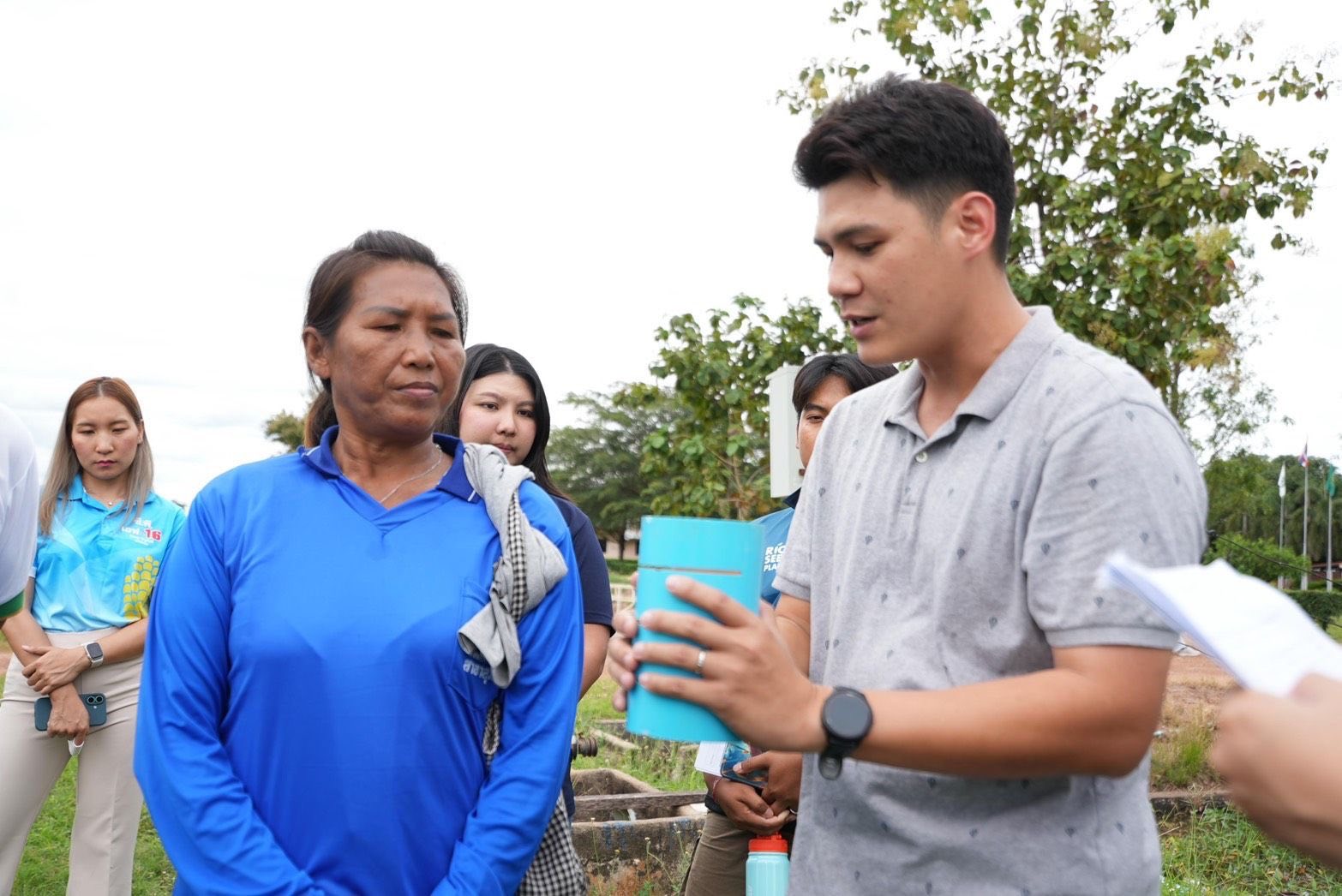
"We farmers understand how to grow rice, but we need technical experts to help us explain why this low- carbon method deserves that premium. While government agencies have provided some support and prices have improved, we believe more support is still needed. That is why we see great value in partnering with large companies through initiatives like this one.”
Mr. Kawao, Farmer in Phayao, Province
Looking ahead
CPCRT’s next phase will focus on scaling and system strengthening. By 2030, the company aims to expand the programme from approximately 64,000 hectares to 128,000 hectares, increasing farmer participation and the adoption of low-carbon rice cultivation practices.
CPCRT also plans to transition from the broader Farm Sustainability Assessment (FSA) to the more rice-specific Sustainable Rice Platform (SRP) standard, strengthen data and monitoring systems, broaden the programme to include biodiversity conservation and prepare for the future monetisation of verified emission reductions through carbon credits.
4. Overcoming Barriers
Farmer resistance to change,
linked to an ageing farming population and concerns about early implementation costs. CPCRT responded through trust-building, continuous engagement, training, on-site support and practical demonstration of results.
Inconsistent farm-level data collection,
especially around records for equipment and services. CPCRT simplified data collection tools and partnered with local universities to support data gathering through researchers and students.
Area-specific irrigation and soil constraints,
which meant the same solution could not be applied everywhere. CPCRT addressed this by adapting practices to each location rather than imposing a uniform model.
5. Impacts & Results
Low-carbon practices have been implemented on around 10% of total rice sold, equivalent to approximately 20,000 tonnes annually.
CPCRT reported an 11.35% reduction in greenhouse gas emissions, reflecting the combined effect of low-carbon rice cultivation, traceability measures and lower-emission processing and packaging improvements.
Low-carbon rice production is already being implemented across approximately 64,000 hectares, providing CPCRT with a strong foundation for future scale-up.
Farmers receive a 250-baht premium per tonne of rice produced under the low-carbon model. Improved fertilizer management, soil quality monitoring and other agricultural practice improvements have also helped reduce production costs while supporting emissions mitigation.
The initiative obtained Carbon Footprint of Product (CFP) certification and the CFP Gold Label from the Thailand Greenhouse Gas Management Organization (TGO).
The programme has helped CPCRT respond to growing buyer demand for product-level greenhouse gas data and more credible low- carbon sourcing. Sales increased up to 30%.
Customers and business partners have shown increased confidence in CPCRT’s responsible sourcing and climate-aligned agricultural inputs.
The initiative also received external recognition through the WBCSD and Global Resilience Partnership Climate Resilience Awards for Business, where it was recognised under “Trialling Innovative Methodologies or Approaches.”
6. Key Lessons Learned
Build trust before expecting change
CPCRT found that adoption depends on trust, continuous engagement and practical support. Farmers are more willing to change when they understand the benefits and receive support in the field.
Pilot first, then scale
Testing practices in real farming conditions helped CPCRT identify what worked, adapt the model locally and scale with more confidence.
Strengthen data systems early
CPCRT learned that investing earlier in digital data collection and monitoring would have improved efficiency and verification readiness.

"Reducing methane emissions in rice cultivation is not only a climate priority; it is also a way to build a more resilient, credible and future-ready agricultural supply chain. Our experience shows that real progress depends on combining science, farmer partnership and practical support in the field.”
Dr. Sadudee Supanpai, Vice President, the Office of Sustainability, Governance, and Compliance of CPCRT
7. Company Commitment
CP Group has been a committed participant in several UN Global Compact initiatives since 2003:
8. Recommended Resources
Recommended UN Global Compact Resources


Download Case Study
Disclaimer: This case example is intended strictly for learning purposes and does not constitute an endorsement of the individual companies by the UN Global Compact.