
Turned Anti-Corruption into a Preventive Management System
Start Reading

1. Company at a Glance
Kolmar Holdings has positioned anti-corruption as a strategic governance priority aligned with its vision of becoming a “global sustainable beauty & bio-healthcare company.” In response to rising global regulatory scrutiny and stakeholder expectations, the company embedded integrity into its ESG framework, reinforcing transparency, accountability and long-term sustainable growth. Its initiative goes beyond compliance. It integrates governance discipline, leadership commitment and international standards to build an organizational culture rooted in ethical conduct.
Holding company (cosmetics, health supplements, pharmaceuticals)
Industry
1990
Founded
Republic of Korea
Headquarters
113
Number of Employees
7 Countries in Asia and America
Global Presence
2. The Challenge
Responding to growing integrity expectations
Kolmar Holdings’ anti-corruption journey emerged from a broader business need: to sustain trust, accountability and long-term growth in an environment where expectations for ethical governance were rising quickly. As regulatory scrutiny intensified and ESG assessments placed greater weight on transparency and responsible conduct, the company recognized that corruption risk could not be treated only as a legal issue. It had become a business issue with implications for reputation, operational discipline and stakeholder confidence.
At the same time, employees, business partners, investors and ESG evaluators were reinforcing the importance of stronger integrity systems across the organization. For Kolmar Holdings, this created both pressure and opportunity: pressure to formalize a credible anti-corruption approach, and an opportunity to embed integrity more deeply into its ESG strategy and global growth ambitions.

3. The Action
Building a structured governance framework
Governance Reinforcement & Tone at the Top
In 2021, Kolmar Holdings established a dedicated Compliance Program (CP) Team to oversee ethical management and anti-corruption initiatives.
In 2022, this function was expanded into the Sustainability Management Office, incorporating ESG responsibilities and reporting directly to the CEO. The office oversees key regulations, supports ethical and legal compliance, and provides employees with practical guidance and training.
Leadership commitment has been explicit and continuous. The CEO publicly positioned anti-corruption as a governance priority and reinforced zero tolerance for misconduct. This “tone at the top” was supported by structured and regular reporting from the compliance function, ensuring that risk assessments, audit findings and improvement plans were escalated to top management.
A CP Committee, including the CEO, meets to address compliance issues and strengthen ethical awareness across the organization. Alongside formal oversight, the responsible team also worked to build internal consensus around the anti-corruption agenda, helping secure organization-wide understanding and support for implementation.
Strategic Embedding & Cultural Internalization
Kolmar Holdings embedded compliance into its corporate culture through structured and recurring initiatives:
- Designation of the company’s founding anniversary as “Compliance Day” (since 2023).
- Development of a Compliance Manual (since 2021), updated semiannually with legal provisions, case studies, Q&A and visual materials (added in 2024).
- Systematic compliance training programs focused on real-life violation cases, business integrity, fair-trade laws and internal transactions.
To strengthen internal alignment, the responsible department actively engaged employees through training sessions, presentations, internal broadcasts and educational videos explaining global anti-corruption trends, company direction and implementation priorities.
Risk Management & Operational Controls
Kolmar Holdings built its operational framework based on international standards developed by the International Organization for Standardization (ISO), obtaining integrated certification under ISO 37001 and ISO 37301.
Each department independently identifies and manages risks, supported by annual internal and external audits. Audit outcomes are reported to the Board of Directors and used for continuous improvement.
The company also conducts systematic compliance inspections. Affiliates complete compliance checklists, while Kolmar Holdings performs risk assessments and on-site inspections in high-risk areas. Improvement plans are developed and monitored to ensure implementation.
Internal Mobilization and Governance
Kolmar Holdings operates internal and external reporting channels (“Better Kolmar”) accessible via their intranet and company website. These mechanisms allow anonymous reporting of unethical conduct, supported by investigation procedures and confidentiality protections. Regular reporting to top management strengthens oversight and institutional accountability.
External Benchmarking & Voluntary Evaluation
To ensure objectivity and continuous improvement, Kolmar Holdings voluntarily participates in the Compliance Program Evaluation administered by the Korea Fair Trade Commission.
The company earned an A Grade in 2025 and is targeting an AA Grade for 2026. Participation in UN Global Compact Network Korea’s Anti-Corruption Working Group further strengthens benchmarking and alignment with evolving ESG regulations.
Next steps
Kolmar Holdings’ next phase is focused on extending anti-corruption beyond its own operations. The company plans to strengthen integrity clauses in supplier relationships, enhance third-party risk assessments and expand compliance awareness among key business partners.
4. Overcoming Barriers
Resource Allocation
Embedding anti-corruption required dedicated personnel and budget. Leadership engagement and continuous communication helped secure internal consensus.
Cultural Adoption
Through training sessions, internal broadcasts and company-wide videos, employees gained clarity on global trends, company direction and practical expectations.
Organizational Alignment
Structured and timely reporting from the compliance function ensured leadership decisions were evidence-based and consistent.
5. Impacts & Results
Ranked first in the Consumer durables and apparel industry category in the 2025 Corporate Governance Evaluation by the Korea Institute of Corporate Governance and Sustainability.
Earned an A rating in the 2025 Compliance Program Evaluation conducted by the Korea Fair Trade Commission, with a target of reaching AA in 2026.
Enhanced perception of compliance as a professional responsibility among new employees, with the share of respondents reporting they were “very familiar” rising by 25 percentage points for the Code of Conduct and by 30 percentage points for the need for the Compliance Program in the second half of 2025.
Maintained ISO 37001 and ISO 37301 certifications through surveillance audits.
Achieved a nearly 100% completion rate for employee compliance training.
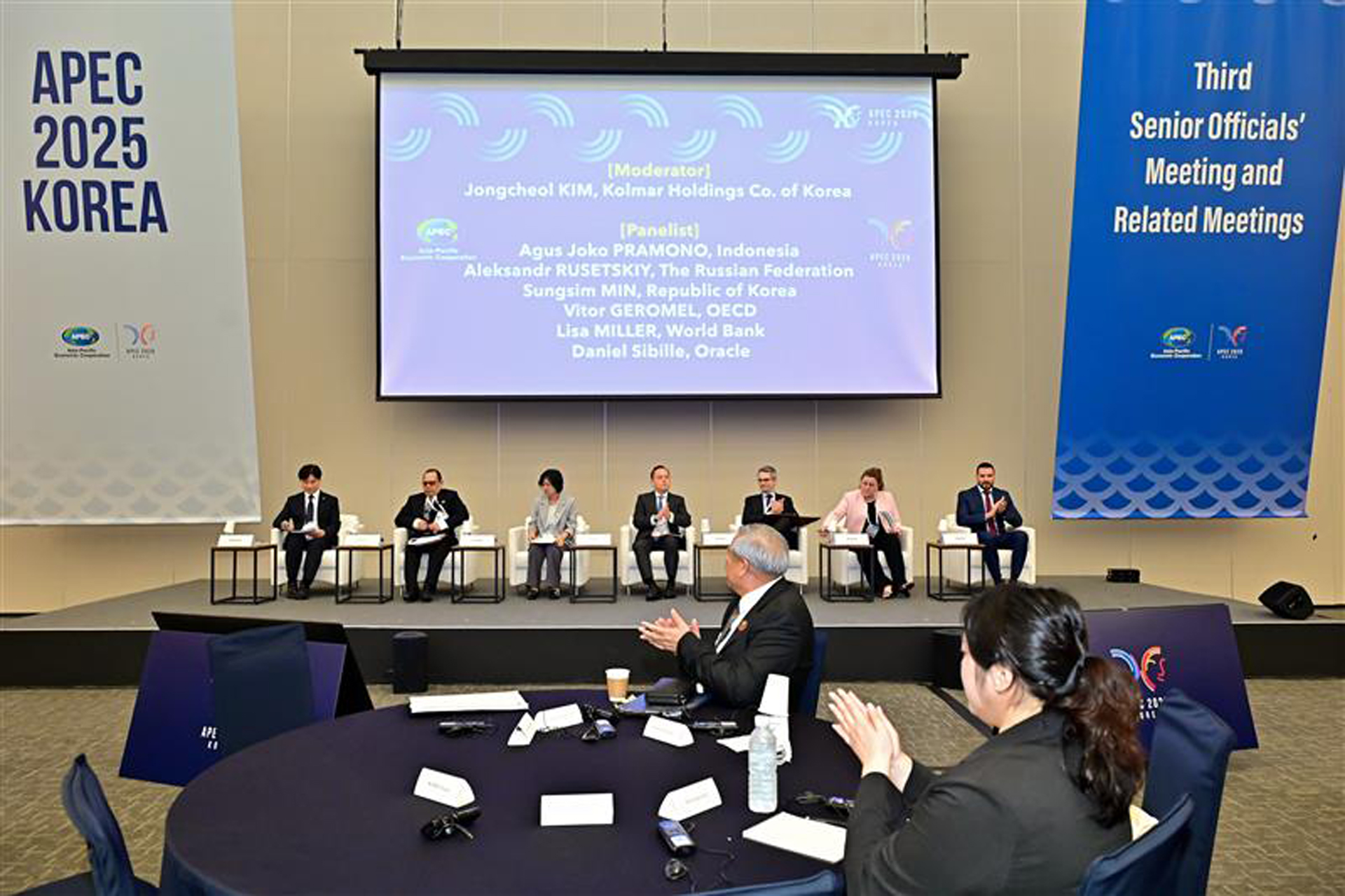
Enhanced credibility through participation in the APEC High-Level Dialogue on Anti-Corruption Cooperation.
6. Key Lessons Learned
Make commitment visible
Anti-corruption gained traction when the CEO treated it as a business priority, not just a compliance requirement.
Give the function real authority
A dedicated team with the expertise to guide implementation helped turn commitment into day-to-day practice.
Report directly and regularly to top management
Structured reporting on risks, audits and improvement actions helped embed accountability and keep momentum.
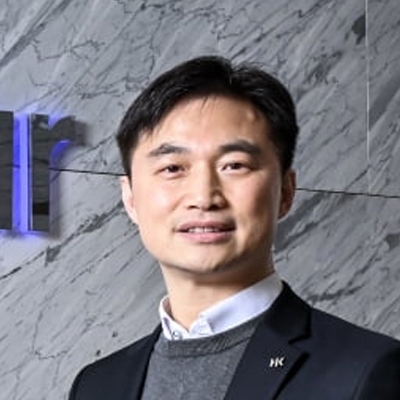
"The real test of anti-corruption is not whether a company has a policy, but whether employees and partners make different decisions because of it. For us, the goal has been to turn compliance from a formal requirement into a daily management discipline.”
Jongcheol Kim, Director, Sustainability Management Office
7. Company Commitment
Since 2021, Kolmar Holdings has actively participated in several initiatives, including the UN Global Compact Network Korea’s Anti-Corruption Working Group.

8. Recommended Resources
Recommended UN Global Compact Resources



Download Case Study
Disclaimer: This case example is intended strictly for learning purposes and does not constitute an endorsement of the individual companies by the UN Global Compact.