
Erri Berri: Achieving 95% Recovery Through Circular Demolition
Start Reading

1. Company at a Glance
In this case study, we will discover how Erri Berri transformed demolition into a circular, value-creating model by integrating workforce-wide training, upgraded low-emission machinery and a proprietary digital traceability system. This approach boosted transparency and efficiency, helped secure public and private contracts and delivered measurable impact: —93% waste recovery (Residuo Cero), lower carbon intensity, and nearly 40% reduced water use. As a result, Erri Berri has set a clear path toward 100% material recovery by 2030.
Construction
Industry
1989
Founded
Spain
Headquarter
93
Number of Employees
2. The Challenge
The shift in Erri Berri’s business model emerged from an unexpected moment of pause. During the COVID-19 crisis, when operations came to a near standstill, the company finally had the time and space to reflect on its identity, long-term direction, and the type of organization it aspired to become. This period of forced slowdown provided clarity: the traditional approach to demolition, though technically solid, no longer aligned with the future the company envisioned for itself or with the evolving expectations of the industry.
As the team analyzed internal processes alongside client needs and broader market dynamics, a clear pattern emerged: sustainability could no longer be treated as an optional layer or a peripheral concern. Regulatory frameworks were becoming more demanding, clients were requesting greater transparency and traceability, and market expectations were shifting toward responsible resource management. At the same time, inefficiencies related to conventional, resource-intensive demolition practices were becoming increasingly visible, highlighting the need for a more modern and resilient model.
Rather than waiting to adapt under external pressure, Erri Berri made a deliberate decision to lead the transition proactively. The company recognized a strategic opportunity to strengthen its business model by embedding sustainability at its core—improving efficiency, enhancing transparency and reducing environmental impact.
3. The Action
Laying the Strategic Foundation for Transformation
Erri Berri’s transformation began with a deep strategic reflection that challenged its traditional way of working and clarified the direction for the company’s future. This process was led by the Steering Committee, with the firm and decisive support of the company’s executive leadership and ownership, ensuring long-term commitment and strategic alignment. The management team played a key role in translating this shared vision into concrete priorities, actively promoting the shift across the organization and aligning strategy, operations and sustainability objectives. This collective effort enabled the company to redefine its identity—from its brand and market positioning to the very purpose that guides its work—in order to embrace the concept of “demolition without footprint.” With this renewed vision in place, the leadership structure outlined the first concrete steps required to turn ambition into measurable change.
Empowering People Through Training and Continuous Engagement
To ensure a consistent and company-wide transition toward sustainable demolition, Erri Berri trained 100% of its workforce through a combination of internal and external training programs. Internally, the management team led training sessions focused on the company’s strategic transformation, explaining the shift in the business model toward circular demolition, updated internal processes and new sustainability objectives. Externally, specialized training was delivered by machinery manufacturers, equipment suppliers and technical partners, providing hands-on instruction on the use of low-emission machinery, efficient material separation and improved on-site practices.
Beyond formal training sessions, the company cultivated a culture of awareness and accountability through ongoing communication efforts, supporting a just transition by equipping all employees with the skills, confidence, and shared responsibility needed to adopt more sustainable ways of working.
Modernization and Digital Traceability
Modernizing the machinery fleet was a key step to reducing emissions, improving operational efficiency and enhancing waste recovery performance. These upgrades were financed through the company’s own resources by reinvesting profits into cleaner, more efficient equipment as part of its long-term sustainability strategy. Replacing older machinery with newer models reduced fuel consumption and strengthened the company’s ability to handle materials responsibly.
A major milestone was the development of a proprietary digital traceability system for demolition residues, also fully funded internally, that enabled the full tracking of materials from source to final destination. This innovation ensures complete transparency, supports regulatory compliance and increases client confidence by providing verifiable data on waste management.
Designing for On-Site Circularity Through On-Site Material Recovery
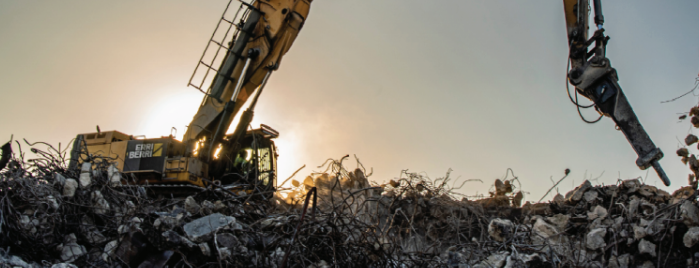
At the start of each demolition project, Erri Berri implements systematic on-site sorting and processing of materials. Concrete is crushed and reused, metals are separated and sent to recycling facilities, and wood and other recoverable materials are directed to certified waste managers. These actions are executed under a comprehensive Environmental Management Plan aligned with ISO 9001, ISO 14001 and ISO 45001, ensuring continuous improvement in safety, efficiency and resource optimization. Through this approach, demolition sites become active hubs of material recovery, reducing environmental impact and maximizing circular value.
Building a Local, Compliance-Driven Network of Waste Partners
Circular demolition depends on a strong network of authorized local waste management partners. Erri Berri establishes agreements only with providers who fully comply with current legislation and hold all required permits and certifications. This ensures responsible handling and full traceability for all materials, whether they generate revenue (such as scrap metal) or involve a management cost. These partnerships are both operational and strategic, forming a practical and replicable model for companies in other regions aiming to implement compliant and transparent circular demolition processes.
Strengthening Oversight, Transparency, and Continuous Improvement
The digital traceability system and Environmental Management Plan enable ongoing monitoring of material flows and operational performance. Erri Berri uses these insights to refine processes, enhance waste recovery efficiency and maintain high levels of transparency with clients and regulators. By continually reviewing and improving its practices, the company ensures that the “demolition without footprint” model evolves with emerging standards, regulatory requirements and stakeholder expectations, reinforcing a culture of responsible, data-driven environmental management.
Looking Ahead
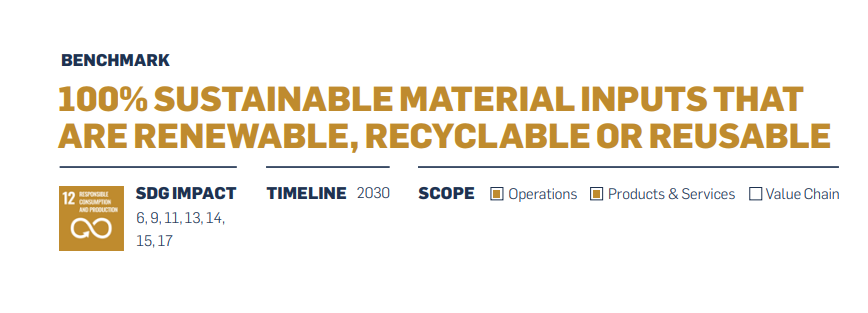
Erri Berri SL continues to evolve its “demolition without footprint” model, aiming to achieve 100% material recovery by 2030 through deeper digital integration, improved process design and expanded collaboration with stakeholders.
4. Overcoming Barriers
Digitalization of waste traceability
Moving from manual to digital processes introduced system integration and compliance challenges. The transition required new tools, staff adaptation and careful alignment with regulatory requirements to ensure transparency, auditability and increased client confidence.
Technological limitations
The transition to low-emission and water-efficient machinery was slowed by the limited availability of suitable equipment in the market. Adapting existing machinery required technical adjustments and careful planning to align with new sustainability standards.
Operational complexity in material separation:
Efficient on-site segregation of demolition waste proved challenging. The company addressed this by delivering intensive staff training and fostering coordination across teams to ensure the proper sorting and recovery of materials.
Water efficiency integration:
Many existing demolition systems lacked built-in water-saving technologies. This prompted the company to implement innovative suppression systems and real-time monitoring tools to reduce water consumption across projects.
5. Impacts & Results
Significant Waste Recovery
Erri Berri achieved a 93% recovery rate of waste generated during demolitions, earning the Residuo Cero certification (TÜV Rheinland). This certification confirms that over 90% of waste is valorized and less than 10% ends up in landfills.
Water Efficiency
Innovative dust suppression systems, real-time monitoring and staff awareness programs have allowed Erri Berri to reduce water consumption by nearly 40%.
Increased Stakeholder Value
Erri Berri’s digital traceability program, combined with its Residuo Cero certification, offers unmatched transparency and has become a decisive factor in public procurement and private contracting processes.
Carbon Footprint Reduction
Through machinery renewal and efficiency measures, fuel consumption per euro of revenue dropped by 18% in 2023, resulting in a carbon emission reduction of more than 487 tonnes of CO2.
The company also reduced its carbon intensity from 0.122 to 0.105 kg CO2 per euro invoiced. Between 2019 and 2022, total CO2 emissions fell by almost 30%, and despite a higher project load, Erri Berri achieved an additional 14% reduction in 2023 and 22% in 2024—avoiding more than 1,200 tonnes of CO2 and saving 182,000 liters of fuel in just two years.
6. Key Lessons Learned
Start small, measure early
Begin with pilot projects and track data from the outset to establish clear baselines.
Train continuously
Empowering the workforce from day one ensures alignment and commitment to sustainability goals.
Collaborate strategically
Building partnerships with like-minded stakeholders amplifies impact.
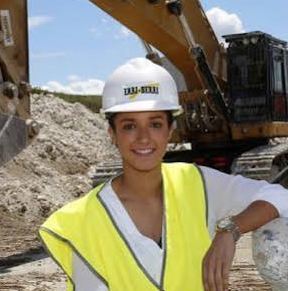
"By integrating the recovery of 93% of waste and reducing our impact at every step, we have not only optimized our internal processes, but we have also redefined what it means to lead responsibly in the construction and demolition industry."
Yolanda Azcona, Director at Erri Berri SL
7. Recommended Resources
Recommended UN Global Compact resources to support your journey:


Download Case Study
Disclaimer: This case example is intended strictly for learning purposes and does not constitute an endorsement of the individual companies by the UN Global Compact.