
Embedding Zero Tolerance: How Dialog Axiata Built a Robust Anti-Corruption Programme in a High-Risk Environment
Start Reading

1. Company at a Glance
Dialog Axiata’s Anti-Bribery and Anti- Corruption (ABAC) journey is grounded in a clear and uncompromising ambition: zero tolerance for corruption. Over the past five years, the Company has systematically transformed integrity from a compliance obligation into a core element of governance, leadership accountability, and business performance, even while operating in a highly challenging market context. The ABAC programme is based on two of Dialog’s core values: Uncompromising Integrity and Exceptional Performance (UI:EP).
This programme has become a cornerstone of Dialog Axiata’s broader governance and ESG approach, demonstrating that strong anti-corruption controls can coexist with commercial growth and long-term sustainability.
Telecommunications
Industry
Dialog Axiata PLC
Group
Sri Lanka
Headquarters
2,865
Number of Employees
2. The Challenge
Operating with integrity in a high-corruption-risk context
Dialog Axiata operates in a highly competitive environment where interactions with public authorities, vendors, and third parties are frequent. In such contexts, bribery and facilitation payments are often normalized, particularly amid economic hardship and intense market pressure.
The challenge became more acute when new regional guidance introduced personal liability for Board members in cases of private-sector corruption. Compliance failures could now directly affect the organization’s leadership, brand reputation, and financial resilience.
Dialog Axiata recognised that managing corruption risks could not rely on policies alone. It required a systemic, organisation-wide programme capable of changing behaviors, strengthening accountability, and withstanding external pressure.
3. The Action
From risk awareness to business as usual
ESTABLISHING BOARD-LEVEL GOVERNANCE AND ACCOUNTABILITY
A critical early step was the creation of a Board sub-committee dedicated to Risk and Compliance, com- posed largely of independent directors. The sub-committee oversees the programme’s effectiveness and reports quarterly to the Board, ensuring continuous oversight and strategic alignment.
To reinforce the tone from the top, Dialog Axiata introduced anti-corruption KPIs for the CEO, making in- tegrity performance a visible leadership responsibility rather than a compliance formality.
MATURITY ASSESSMENT AND TARGET-DRIVEN IMPROVEMENT
Dialog Axiata began its journey with an external anti-corruption maturity assessment, identifying loop- holes and control gaps. Based on these findings, the company defined annual improvement targets, sup- ported by third-party reviews and scoring over a multi-year cycle.
From the outset, the organization adopted a clear position: 100% compliance and zero tolerance, even when this meant accepting short-term commercial disadvantages.
RISK-BASED TRAINING AND ORGANIZATION-WIDE ENGAGEMENT
Recognising that corruption risk varies by role, Dialog Axiata categorized employees based on exposure levels and tailored training accordingly.
Key elements included:
- Mandatory annual Anti-Bribery and Anti-Corruption (ABAC) training for all employees, including the Group Chief Executive and Board
- Knowledge testing with a minimum 80% pass requirement
- Early emphasis on in-person training, complemented by campaigns, posters, and Anti- Corruption Week initiatives
- Targeted training for high-risk functions such as procurement, marketing, and supply chain management
These efforts helped move integrity from abstract policy to practical, everyday decision-making.
EMBEDDING COMPLIANCE INTO PERFORMANCE MANAGEMENT
Rather than offering financial rewards for compliance, Dialog Axiata adopted a deterrence-based approach: ABAC violations directly impact performance evaluations and sanctions are applied consistently across all levels.
Over time, this approach reinforced the message that ethical behaviour is a baseline expectation, not an optional add-on.
LEVERAGING TECHNOLOGY AND AUTOMATION
To improve accessibility and efficiency, Dialog Axiata introduced several digital tools:
- A compliance chatbot to respond to frequently asked employee questions
- SAP-based keyword logic to flag and escalate risks related to gifts, sponsorships, and donations
- Automation of policy acknowledgements and conflict-of-interest disclosures
These tools were complemented by stronger internal monitoring and reporting mechanisms, helping the company move from manual compliance processes to a more systematic and scalable model.
The company is now exploring AI-enabled enhancements to further strengthen risk identification and escalation mechanisms.
STRENGTHENING MONITORING, REPORTING AND SPEAK-UP MECHANISMS
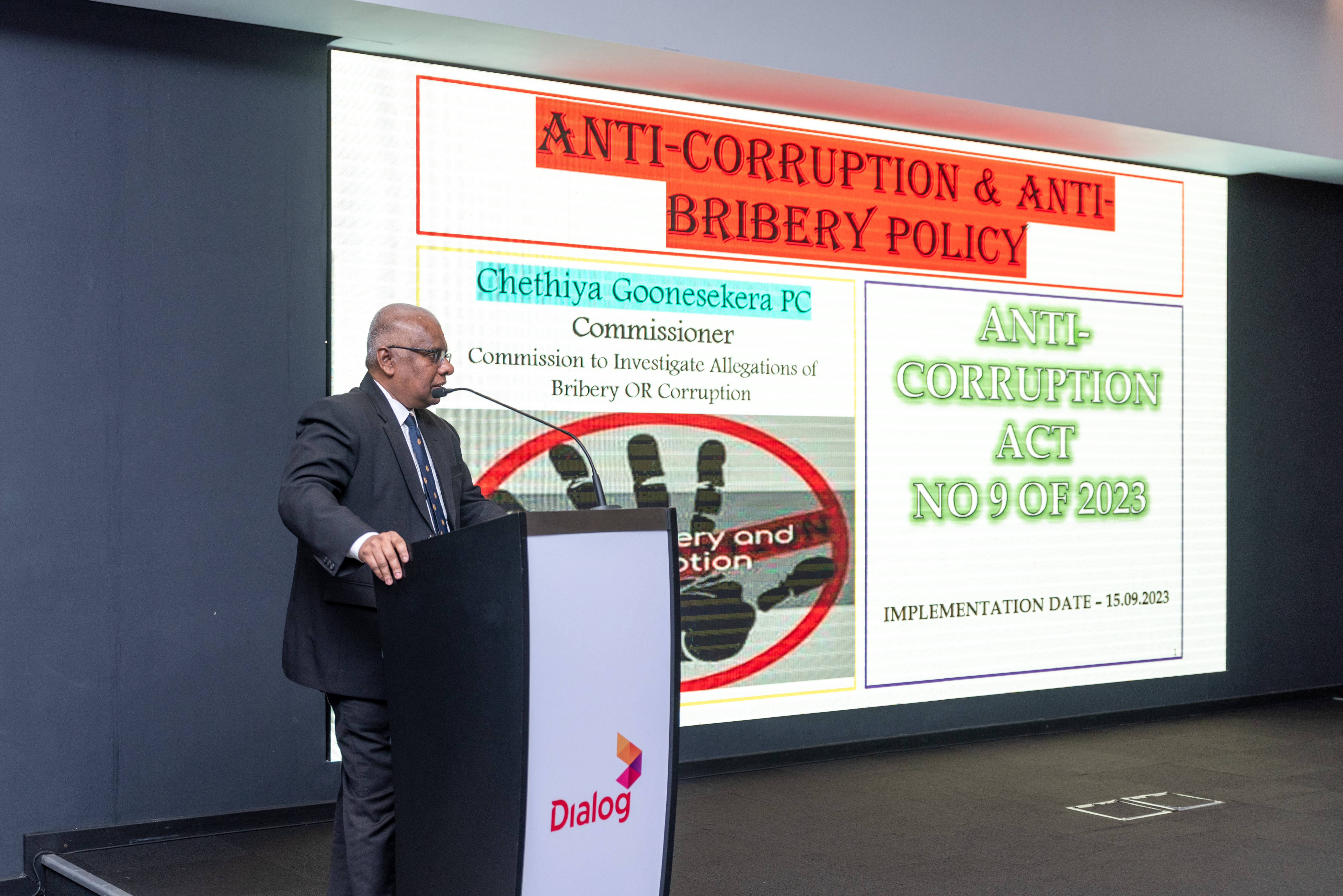
This overall program was supported by formal governance bodies, comprehensive records management, and a whistleblower mechanism to strengthen transparency, accountability, and follow-up. The Company also aligned its approach with relevant anti-corruption regulation, including Malaysia’s MACC Act and the Sri Lankan Anti-Corruption Act No.09 of 2023, and reinforced progress through peri- odic independent assessments.
4. Overcoming Barriers
Normalisation of facilitation payments (operational friction)
In day-to-day interactions, informal payments were often treated as “how things work,” especially when engaging with public officials. Refusing those requests sometimes created delays and short-term commercial disadvantages, which the company chose to absorb to protect long-term integrity and trust.
Commercial and Sales Pressure
Performance targets sometimes conflicted with ABAC requirements. The company addressed this through consistent enforcement and strong middle- management accountability.
Awareness and Understanding Gaps
Integrity surveys revealed that policies alone were insufficient. These insights informed more practical, scenario-based training and communication efforts.
5. Impacts & Results
100% of employees complete annual anti-bribery and anti-corruption training and quarterly Conflict of Interest (COI) disclosure.
Dialog was ranked #1 in Transparency International Sri Lanka’s Corporate Reporting Assessment for 2023.
The company consistently placed in the Top 10 of the TRAC Assessment which was conducted annually from 2020 to 2023.
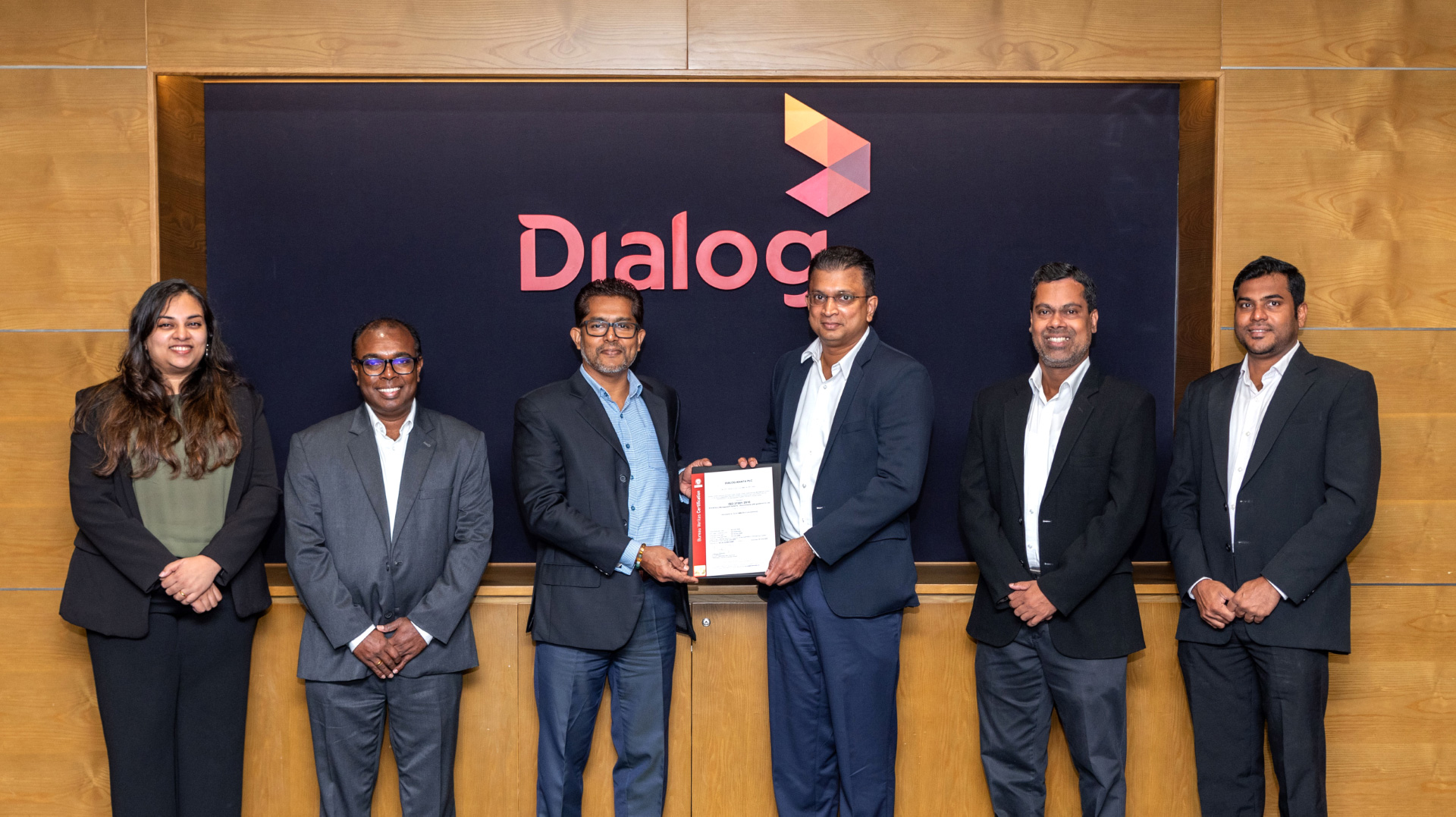
Dialog has been certified for ISO 37001: Anti- Bribery Management Systems (ABMS) and is the first company in Sri Lanka to obtain the certification.
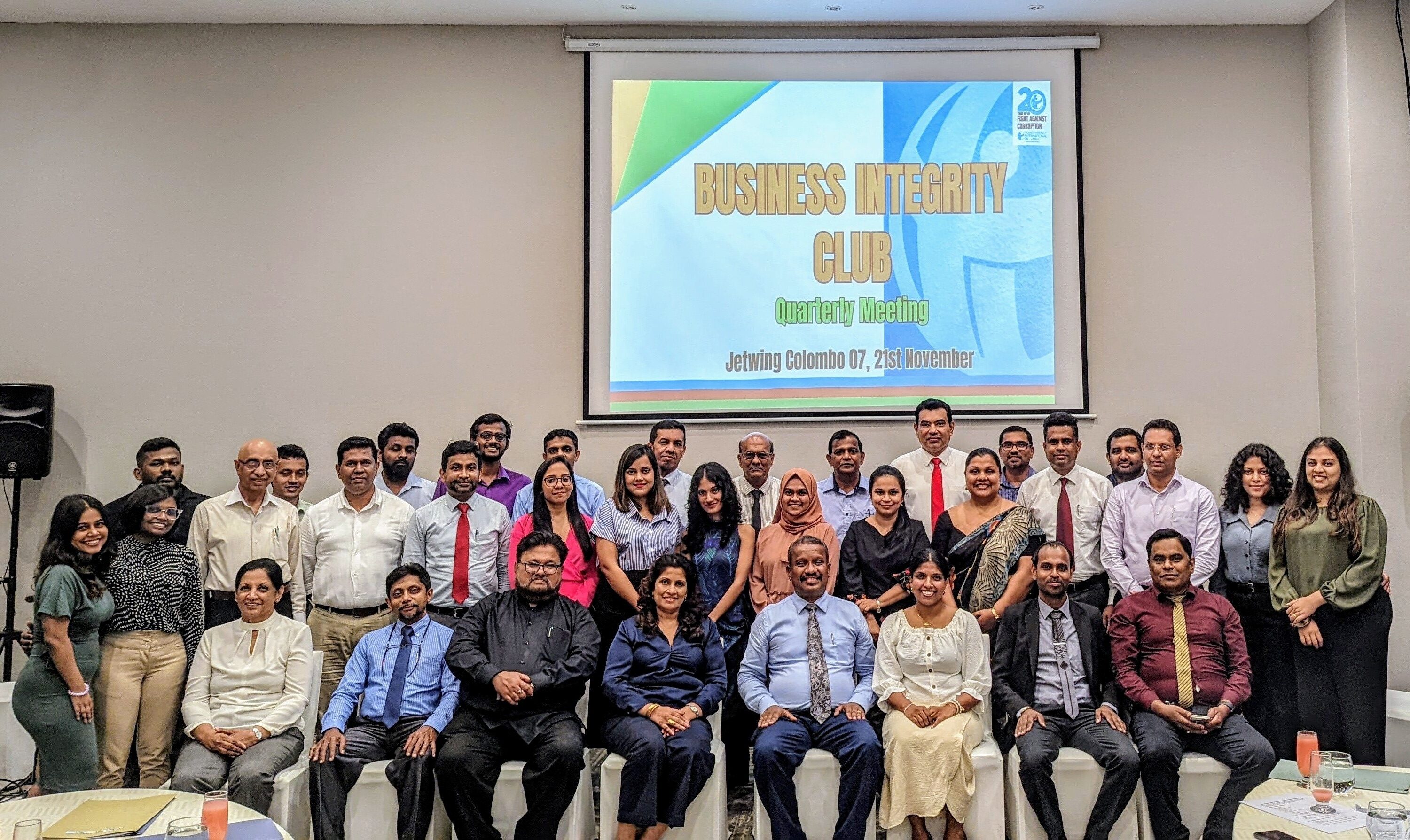
Dialog is one of the founding members of the Business Integrity Club to combat corruption in the Private Sector – Transparency International Sri Lanka.
6. Key Lessons Learned
Leadership accountability is essential to drive real change
Embedding anti-corruption responsibilities into CEO and senior management KPIs transformed the tone from the top into a measurable and enforceable commitment.
Compliance must be operational, not theoretical
Digital tools, automated controls, and function- specific processes were critical in translating policies into everyday behavior.
Effectiveness depends on continuous testing and feedback
Integrity surveys, external benchmarking, and Board-level oversight enabled the programme to evolve and remain credible in a high-risk environment. 1. drive real change Embedding anti-corruption responsibilities into CEO and senior management KPIs transformed the tone from the top into a measurable and enforceable commitment.
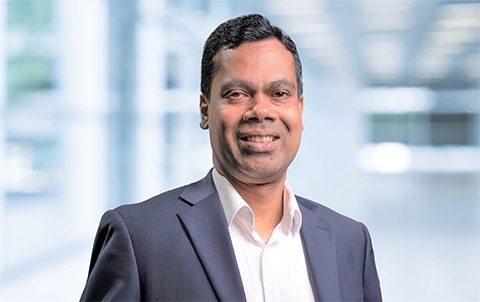
"Integrity is non-negotiable at Dialog. The Board of Dialog sets the tone at the top and expects the highest standards of ethical conduct across the Group. Our Anti-Bribery and Anti-Corruption framework reinforces our zero-tolerance approach to bribery and corruption, supported by strong governance and oversight.”
Asanga Priyadharshana, Group Chief Corporate Officer, Dialog Axiata PLC.
7. Company Commitment
Dialog Axiata has been a committed participant in several UN Global Compact initiatives since 2006:
Think Lab on Business Integrity
Target Gender Equality Accelerator in 2024
8. Recommended Resources
Recommended UN Global Compact Resources



Download Case Study
Disclaimer: This case example is intended strictly for learning purposes and does not constitute an endorsement of the individual companies by the UN Global Compact.