
From degraded soil to 12+ crops and measurable productivity gains
Start Reading

1. Company at a Glance
In this case study, we will explore how Vita Forte, a U.S.-based company that produces superfood ingredients for other food and beverage businesses, used its Brazilian farm as a testing ground for regenerative agriculture. By rebuilding soil health, introducing agroforestry practices and applying field-level learning to its broader sourcing approach, Vita Forte shows how companies can use their own operations to test more resilient agricultural models before engaging suppliers more broadly.
Superfoods manufacturing
Industry
2011
Founded
United States
Headquarters
Around 50 employees
Number of Employees
2. The Challenge
Restoring land productivity to secure long-term supply
As an agriculture-based company, Vita Forte’s long-term supply reliability depends directly on the health and productivity of the land it sources from and manages. Soil degradation, poor water retention and declining biodiversity can affect crop quality, yields and product availability, creating a direct business risk for companies that rely on agricultural inputs.
Vita Forte saw regenerative agriculture and agroforestry as an opportunity to strengthen the resilience of its farming model while restoring the productive capacity of land under its direct management. Its Brazilian farm offered a practical setting to test whether organic matter, diversified planting and natural soil regeneration could improve long-term productivity without relying on conventional chemical-based approaches.
The company also identified a broader social opportunity. By making agricultural production more resilient and economically viable, Vita Forte aimed to support rural livelihoods and help local workers and communities access income opportunities where they live, rather than depending on migration to urban areas.
3. The Action
From farm-level testing to supplier engagement
USE THE COMPANY’S OWN FARM AS A TESTING GROUND
Vita Forte began the transition on its Brazilian farm back in 2016, where it could directly observe land conditions, test different practices and adjust the model before applying lessons more broadly. The work started on land where the soil was visibly degraded, with cracked dirt, dust and limited vegetation. Instead of treating the farm only as a production site, the company used it as a practical learning environment to understand what regenerative agriculture required in real conditions.
REBUILD SOIL HEALTH BY RETURNING ORGANIC MATTER TO THE LAND
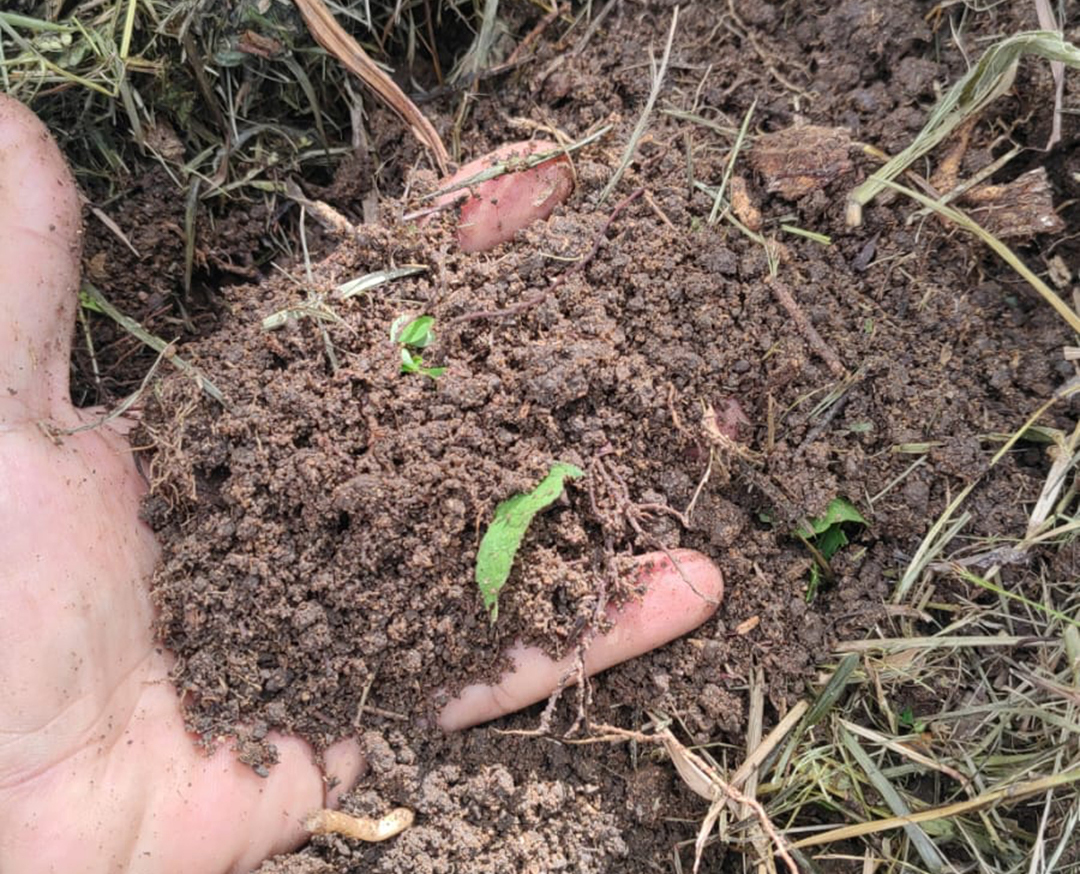
The company’s first practical intervention was to feed the soil with organic material rather than relying on chemical fertilizers. Field teams gathered green vegetation cuts, branches, leaves, manure and other organic matter and placed them back onto the soil. This material was left to decompose naturally, gradually reducing dust, improving soil hydration and helping compacted ground become easier to break and able to support plant life again.
INTRODUCE PLANTS THAT ALSO SUPPORT THE REGENERATION PROCESS
Once the soil began to recover, Vita Forte introduced crops and plants that could contribute to the system. Banana trees were used not only as a crop, but also as a source of water, fiber and nutrients after their production cycle. The company cut banana trees into pieces, opened them and placed them on the topsoil or into planting holes with seeds, allowing them to decompose and release nutrients and moisture into the surrounding soil.
BUILD A DIVERSIFIED AGROFORESTRY SYSTEM INSTEAD OF A SINGLE- CROP MODEL
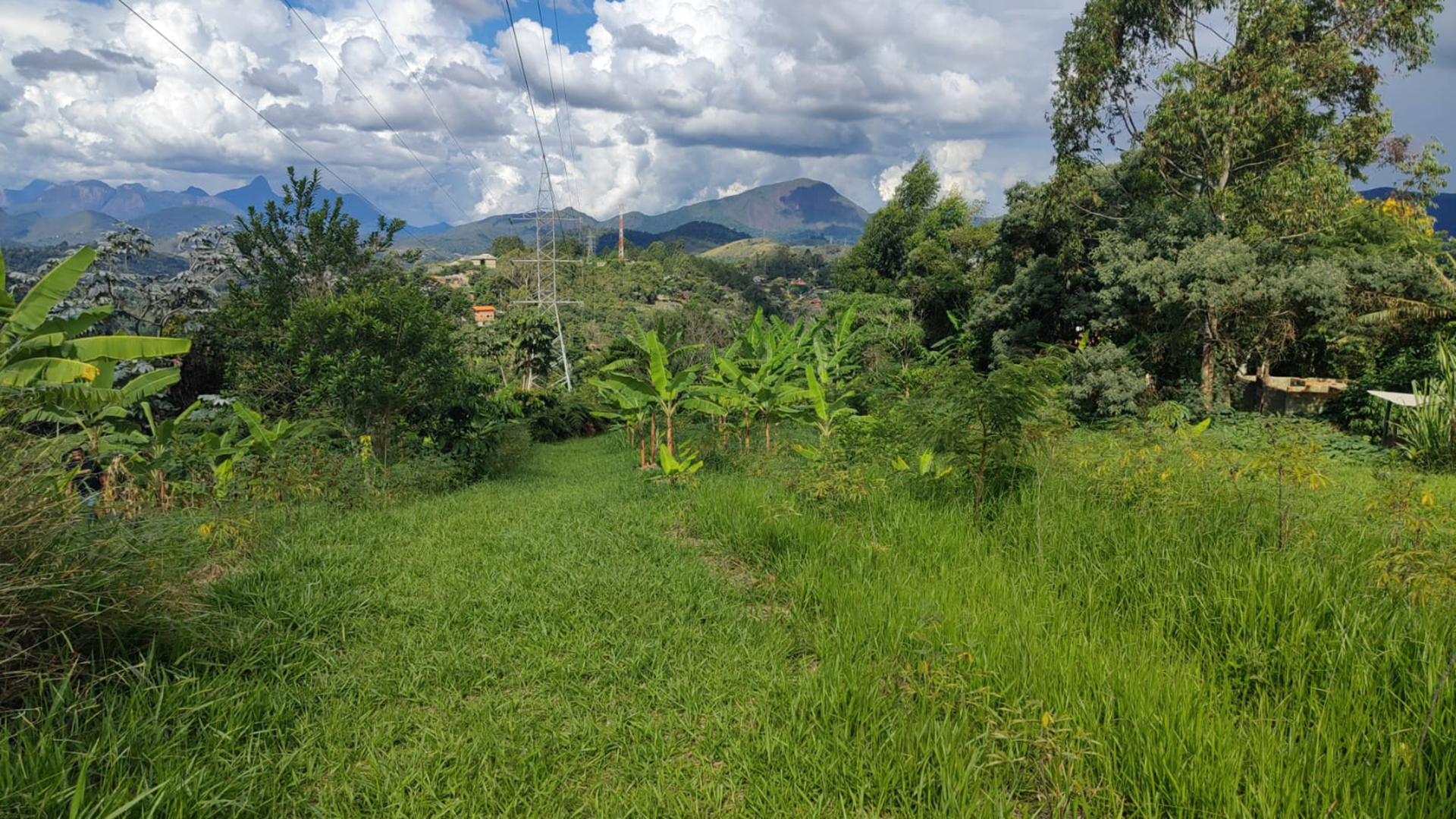
Vita Forte gradually added different types of plants, including fruit trees, bushes, roots and ground-cover crops. The farm planted fruits such as avocado, jabuticaba, acerola, mango, banana, araçá, orange and pitanga, alongside vegetables such as potato, cassava, carrot and beetroot. In 2024, the company also planted 4,000 coffee plants, testing shaded and open-sun conditions to understand how plant combinations affected resilience during drought.
TRACK PROGRESS THROUGH REGULAR FIELD COMMUNICATION AND VISUAL EVIDENCE
The company monitored progress through frequent communication with the Brazil team, including WhatsApp updates, photos and videos especially during Covid pandemic. Field teams reported on the repeated application of organic matter, access to water and visible changes in plant growth. After around six months, plants began growing in treated areas, and after the first year the progress encouraged continued investment and adaptation.
APPLY THE SAME PRACTICAL LOGIC TO SUPPLIER ENGAGEMENT AND SCALABILITY
Vita Forte also leveraged its regenerative agriculture expertise to deepen supplier engagement and support suppliers in scaling sustainable practices while maintaining quality standards. The company worked closely with suppliers to share knowledge on organic and regenerative farming methods, including planting techniques, crop diversity, and seedling placement.
To help ensure consistency and accountability as the programme expanded, Vita Forte also integrated sustainability criteria into its procurement processes. Suppliers were assessed through pre-approval questionnaires covering organic production requirements, fertilizer restrictions, environmental performance, and social standards such as fair pay and women’s protection, alongside performance indicators linked to acreage and production lots.
EXPLORE VALUE-ADDED PRODUCTS TO IMPROVE THE FARM’S FINANCIAL MODEL
Because regenerative production did not automatically translate into premium prices, in 2025 Vita Forte began looking for ways to process farm outputs into higher-value products. For example, the company planned to turn cassava into cassava cake for schools, bars and families; sweet potato into preserves or jam; and bananas into dried banana, jam or compote. This was intended to help convert what the land produced into products that could better sustain the regenerative model financially.
"Everyone said that nothing was going to happen in that place, because it was an abandoned land. But we started little by little to plant green trees and seek experiences on how to plant and manage...the place was transformed—and I was completely transformed with what I learned about agroforestry.”
Pedro Lima, Lead farmer
4. Overcoming Barriers
Shifting field teams from skepticism to buy-in
When Vita Forte began introducing agroforestry practices in Brazil, not everyone was convinced the model would work. Some field workers were skeptical of moving away from familiar practices, and even the leadership team needed to see evidence over time. Vita Forte addressed this by keeping the work highly practical: explaining the purpose behind the transition, maintaining regular communication with the farm team, using photos and videos to track changes in the soil, and showing how specific techniques were producing visible improvements.
Translating regenerative production into commercial value
Although the environmental and yield benefits became visible, Vita Forte found that these improvements did not automatically translate into higher sales or premium prices. In the region where the Brazilian farm operates, consumers remained highly price-sensitive, and products such as potatoes still had to compete with supermarket prices. To address this, the company began exploring ways to process farm outputs into value-added products — such as cassava cake, sweet potato preserves, dried banana, jams and compotes — to create a stronger financial model for sustaining the regenerative system.
Managing nature’s timeline
Regenerative agriculture required Vita Forte to work with ecological timelines rather than short-term business cycles. Soil restoration took years of repeated action, observation and adjustment. The company treated the farm as a long-term learning process: adding organic matter, monitoring whether the soil became less compacted and more hydrated, and waiting for diversified planting systems to mature before drawing conclusions on productivity.
Financing the transition as a small business
The transition required upfront investment before there was a clear financial return. The company moved forward by using its own experience, available cash and aligned partners to absorb early risk, while recognizing that broader access to financing could have accelerated supplier adoption and reduced the time needed to scale similar practices.
5. Impacts & Results
Visible soil regeneration
Land that was initially too degraded to produce meaningful agricultural output now supports a diversified range of crops. Areas that previously showed cracked dirt, dust and limited vegetation gradually became more hydrated and able to support new plant growth.
12+ crop varieties introduced
The farm moved from degraded land toward a diversified production system that includes fruits such as avocado, jabuticaba, acerola, mango, banana, araçá, orange and pitanga, as well as vegetables including potato, cassava, carrot and beetroot. By 2024, Vita Forte had also planted 4,000 coffee plants, testing shaded and open-sun conditions to understand how different crop combinations affect resilience during drought.
Supported rural livelihood opportunities
By supporting income opportunities linked to forest-based production, the model can help people earn a living where they live, reducing the pressure to migrate to cities in search of better economic conditions.
New product value created from production leftovers
In its United States operation, Vita Forte began using leftover superfoods from its production facility to feed chickens and ducks, helping reduce food waste while creating a differentiated egg product. Through product positioning, individual egg stamping and packaging that explains the feeding approach, the company developed a premium product marketed as “superfood-fed eggs.” Vita Forte reported that these eggs reached a retail price of USD 36 per dozen, compared with local organic egg prices ranging from approximately USD 7.99 to USD 11.99 per dozen, and gained interest from restaurants and chefs in California.
Improved crop productivity
As the agroforestry system matured, Vita Forte reported stronger crop performance across different crops. For example, banana bunch weight increased by approximately 35 per cent compared with typical production levels, while sweet potato size increased by approximately 110 per cent while maintaining the same sensorial properties. The company also reported that its cassava crop doubled compared with the previous year, and that Vidalia onions grown through the system reached close to 800 grams each.
6. Key Lessons Learned
Trust conviction, while preparing for resistance
The company’s most significant shifts were grounded in careful analysis, but they also required leadership conviction. These decisions involved major changes and were not always easy, including moments of resistance and external pressure. The experience showed that staying focused on the long- term objective was essential to achieving the final outcome.
Invest early to accelerate supplier transition
The company learned that supplier transition requires real investment, particularly when suppliers face limited access to financing. Financial constraints can significantly slow adoption, even when suppliers are willing to change. Earlier or broader access to financing could have helped accelerate progress and achieve similar results in a shorter timeframe.
Start with a focused entry point, then scale what works
Rather than trying to transform everything at once, the company’s experience shows the value of starting with a focused, feasible initiative. By studying the pros and cons, piloting solutions and learning quickly, companies can build confidence before scaling. While the market is more mature today than when the company started, progress still requires deliberate choices and sustained commitment.
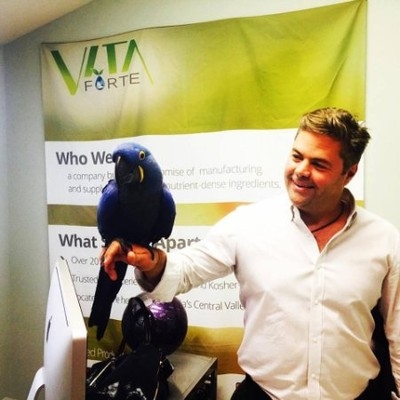
"If we want suppliers to change, we have to be part of that change. Regenerative and organic practices require knowledge, trust and investment, and companies have a responsibility to support suppliers through that transition.”
Carlos Forte, President
7. Company Commitment
Vita Forte has been a committed participant in several UN Global Compact initiatives since 2016, such as the Coalition for Sustainable Procurement.
8. Recommended Resources
Recommended UN Global Compact Resources


Download Case Study
Disclaimer: This case example is intended strictly for learning purposes and does not constitute an endorsement of the individual companies by the UN Global Compact.