
Building Collective Action to Recover 18,380 Tons of Automotive Waste in Georgia
Start Reading

1. Company at a Glance
Tegeta Holding is redefining environmental responsibility in the automotive sector through Tegeta Green Planet, a collective Producer Responsibility Organization created to manage hazardous automotive waste and accelerate circular economy practices in Georgia.
The initiative reflects the company’s belief that responsibility does not end with product sales but with safe end-of-life management. By transforming internal waste practices into an industry-wide system, Tegeta is positioning itself as a regional leader in sustainable mobility and green transition.
Automotive
Industry
1995
Founded
Tbilisi, Georgia
Headquarters
2500
Number of Employees:
2. The Challenge
Formalizing responsibility in a fragmented system
For years, automotive waste such as oils, batteries and tires in Georgia was often handled through informal channels lacking traceability and environmental safeguards. As one of the largest automotive players in the Caucasus, Tegeta recognized both the environmental risk and reputational implications of this fragmented landscape.
The turning point came in 2022 with the introduction of Extended Producer Responsibility (EPR) legislation. While the regulation created obligations for producers, it also revealed gaps in infrastructure and expertise across the sector. This framework primarily impacts a combination of producers, specifically vehicle importers, automotive service centers and companies that place tires, batteries and oils on the local market.
Tegeta identified the opportunity to move from isolated corporate action toward a structured ecosystem capable of supporting multiple companies and ensuring transparent, compliant waste management.

3. The Action
Implementing a Scalable Living Wage Strategy
EXTERNAL ENGAGEMENT & PUBLIC ADVOCACY
Before Georgia introduced Extended Producer Responsibility (EPR) legislation in 2022, Tegeta was already man- aging hazardous automotive waste such as used oils, batteries and tires within its own operations. In some cases, this meant sending waste abroad because domestic treatment options were still limited. When the new legislation came into force, the company used the law as a trigger to formalize and scale capabilities it had already begun to build internally.
CREATING A FORMAL IMPLEMENTATION VEHICLE: TEGETA GREEN PLANET
Rather than keeping the response inside one company, Tegeta established Tegeta Green Planet as a collective Producer Responsibility Organization (PRO). Tegeta Holding set the strategic direction, while Tegeta Green Planet became the operational platform through which compliance, collection, traceability and stakeholder coordination could be organized across multiple companies. The PRO was designed as an association uniting Tegeta Motors, subsidiary companies and other member producers, so the model would serve a broader producer ecosystem.
ADDRESSING INDUSTRY CHALLENGES AND SYSTEM FORMALIZATION
The initiative was designed to support the automotive sector in navigating the transition toward new regulatory standards. Tegeta identified that many producers faced operational challenges due to the specialized infrastructure and expertise required to meet EPR obligations independently. Furthermore, a significant portion of automotive waste previously lacked the integrated tracking systems necessary for verified environmental safety across the industry.
Tegeta Green Planet’s role was therefore to provide a structured, transparent framework that offers a professional alternative to fragmented practices, ensuring that waste management is both compliant and traceable for all member companies.
STREAMLINING PRODUCER EDUCATION AND ONBOARDING
The first implementation step was education, as many businesses were caught off guard by the new EPR rules. Tegeta Green Planet positioned itself as an educator, running awareness campaigns to explain legal requirements and the environmental rationale behind them.
To facilitate participation, the onboarding process was designed to be straightforward:
- Accessible Membership: Companies can initiate membership via the official platform or direct contact.
- Urgent Consultation: For companies facing immediate regulatory pressure (e.g., products held at customs), the PRO provides rapid guidance on recycling fees and documentation.
- Transparency from Day One: During onboarding, companies receive a clear breakdown of the PRO system structure and their specific legal responsibilities.
BUILDING THE OPERATIONAL BACKBONE: COLLECTION AND SERVICES
Tegeta Green Planet invested in physical infrastructure to remove logistical friction and make responsible disposal practical in day-to-day operations.
The organization provides member companies with specific practical services:
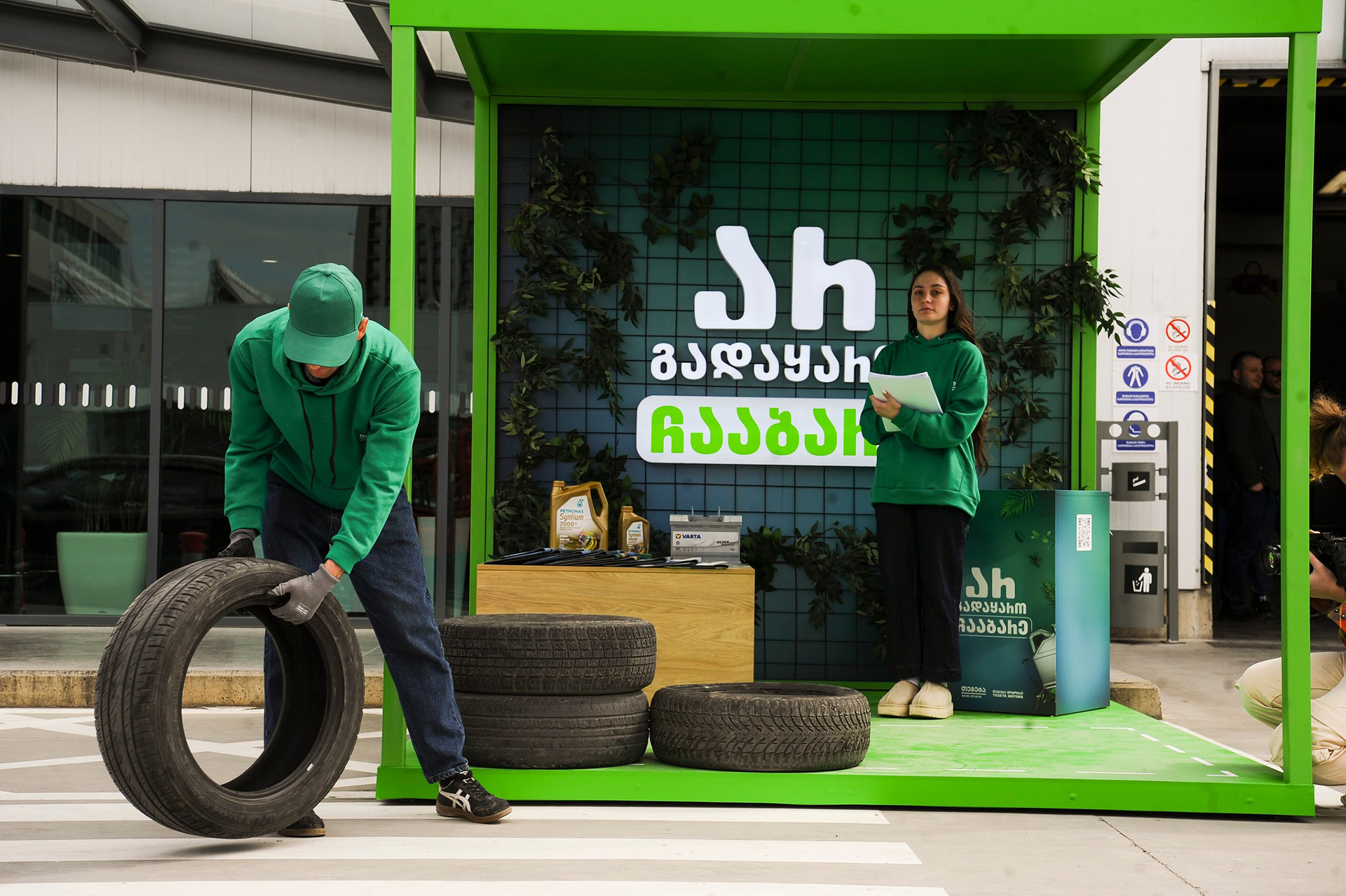
- Free Waste Transportation: Arranging the collection of tires, batteries and oils via authorized operators at no cost to members.
- Compliance Support: Providing regular reminders for mandatory declarations to ensure members meet regulatory deadlines.
- Widespread Access: Utilizing a network of approximately 45 collection points nationwide, including 13 licensed facilities and smaller collection sites at service branches.
TECHNICAL TREATMENT PATHWAYS: FROM WASTE TO RESOURCE
To ensure that collected waste is managed safely and in line with circular economy principles, Tegeta Green Planet defined specific treatment pathways for each major waste stream. The organization distinguishes between higher- value recovery options, which preserve materials for further use and lower-value recovery routes, which still ensure safe management and landfill diversion when better alternatives are not available.
For waste tires, Tegeta Green Planet prioritizes material recovery where possible. A significant share of collected tires is transferred to licensed downstream operators, where they undergo thermal and chemical processing to generate secondary industrial-use outputs. This pathway supports circular value retention by keeping recovered materials in economic use.
When material recovery is not feasible, a defined portion of collected tires is used as an alternative fuel in cement production. This represents energy recovery: the calorific value of the material replaces conventional fossil fuels and helps divert waste from landfill, although the material itself is not preserved for further use in the production cycle.
For waste oils, Tegeta Green Planet applies a similar hierarchy. Because Georgia currently lacks infrastructure for high-value waste oil regeneration and re-refining, the preferred route is export to specialized facilities in Greece. There, waste oil can be processed into reusable secondary oil products, enabling a higher level of circular value retention.
Where export or higher-value recovery is not feasible, waste oil is transferred to licensed domestic operators in accordance with Georgian legislation. In these facilities, waste oil undergoes controlled thermal processing and is converted into products such as furnace fuel, bitumen-based materials, gas and hydrocarbon fractions. While this is a lower-grade recovery route than re-refining, it ensures safe management of hazardous waste, recovers residual value and avoids uncontrolled disposal.
For used lead-acid batteries, collected batteries are transferred to licensed operators in Georgia for dismantling, separation and recovery under controlled environmental and safety conditions. Lead-containing components are recovered through smelting and casting processes, allowing metallic lead to return to industrial use as a secondary raw material. Battery acid is neutralized, while plastic fractions are sent to specialized recycling facilities for further processing.
ENSURING TRANSPARENCY AND TRACEABILITY
The system ensures accountability through continuous monitoring and detailed documentation.
- Daily Reporting: Every stage—collection, location, volume and destination—is recorded to ensure full traceability of each waste stream.
- Public Accountability: The system is supported by annual internal and external audits. Crucially, audit results are made publicly available on the organization’s website to build trust with stakeholders and the public.
EMBEDDING GOVERNANCE AND PUBLIC AWARENESS
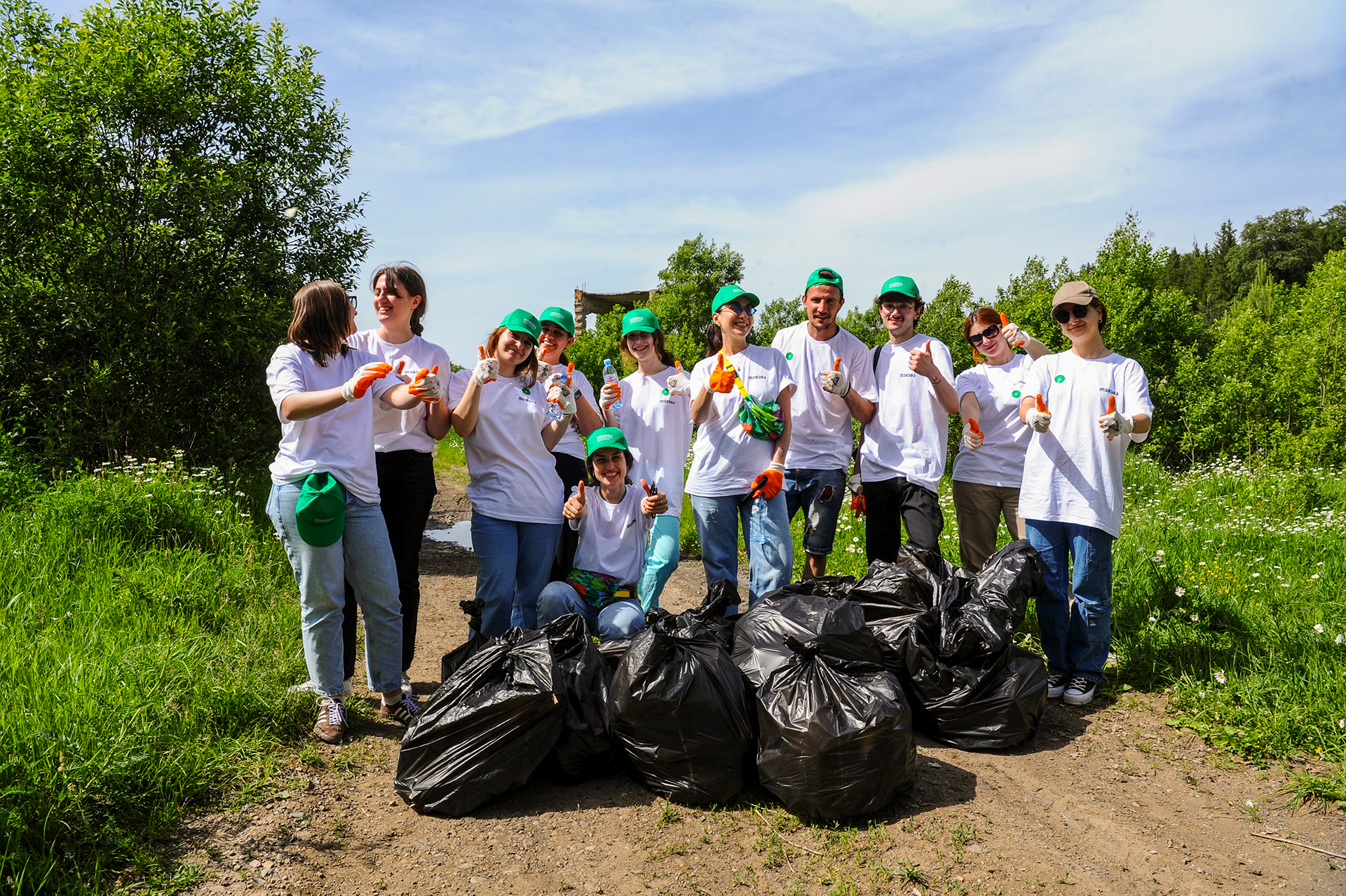
Stakeholder dialogue is embedded in the governance model because Tegeta Green Planet operates as an association. This is complemented by broader public awareness efforts, such as the national campaign “Don’t throw it away, hand itმარა in for recycling,” and educational sessions in schools to promote long-term system change.
4. Overcoming Barriers
Infrastructure Gaps:
Local treatment solutions were initially limited. Tegeta addressed this through investment in collection networks and plans for domestic recycling facilities.
Informal Disposal Practices:
Shadow markets undermined safe waste management. Transparent systems and awareness campaigns helped redirect waste into regulated channels.
Limited Stakeholder Preparedness:
Many producers lacked knowledge and expertise. Education, onboarding and collaborative governance enabled smoother adoption and participation.
5. Impacts & Results
Growth in Hazardous Waste Recovery
The collective PRO model has demonstrated a consistent upward trajectory in collection and recycling volumes across three primary waste streams:
Waste Category
Used Tires
Used Batteries
Used Oils
2023 Recovery
2,885 Tons
1,158 Tons
779 Tons
2024 Recovery
3,905 Tons
1,879 Tons
853 Tons
2025 Recovery
4,642 Tons
1,385 Tons
894 Tons
Cumulative Performance:
Diverted over 18,380 tons of hazardous automotive waste from unregulated disposal into formal, traceable recycling channels.
Systemic Efficiency:
Established a network of 45 collection points nationwide, providing compliance infrastructure for approximately 300 member companies.
Stakeholder Value & Awareness
The initiative has transformed environmental responsibility from a regulatory burden into a shared business value:
Industry Recognition:
Tegeta was awarded the 2025 Corporate Responsibility Award for SDG 12 (Responsible Consumption and Production), validating the model’s alignment with global sustainability standards.
Public Mobilization:
National campaigns like “Don’t Throw It Away – Hand It Over” utilized electric vehicle fleets to collect waste directly from citizens in urban districts.
Educational Outreach:
In partisanship with Green Polus, Tegeva published and distributed “Eco-Tips” to 15 schools, fostering a culture of sustainability among future consumers and professionals.
6. Key Lessons Learned
Systemic change requires persistence
Progress emerged from continuous investment, cooperation and long-term commitment rather than single actions.
Collective responsibility drives impact
Industry collaboration proved essential for addressing hazardous waste challenges effectively.
Infrastructure and education must advance together
Operational systems are most effective when paired with awareness and mindset change.
Plan for scale from the start
Rapid growth in collection volumes highlighted the importance of early infrastructure expansion and structured onboarding.
Transparency builds credibility
Data-driven monitoring strengthened trust and demonstrated environmental responsibility as measurable business value.

"Our primary value is caring for the environment and raising public awareness. By involving the society, companies and various sectors, we can reduce harmful environmental impact and establish a healthy ecosystem.”
Shalva Akhvlediani Director, Tegeta Green Planet
7. Company Commitment
Tegeta has been a committed participant in several UN Global Compact initiatives since 2003
8. Recommended Resources
Recommended UN Global Compact Resources



Download Case Study
Disclaimer: This case example is intended strictly for learning purposes and does not constitute an endorsement of the individual companies by the UN Global Compact.