Fuchs Lubricants South Africa advances living wages through human rights due diligence
Read more

“I did not expect a salary increase,” Jafta Thembinkosi Nyambi said. “Before the increase, I was struggling to pay rent because my home in Soshanguve is far from my workplace in Johannesburg. Now I can afford to rent nearby — it takes me just seven minutes to walk to work.”
Nyambi, who works in facility maintenance at Fuchs Lubricants South Africa — “fixing things, cleaning things, a little bit of everything,” — saw his salary increased in the summer of 2025 after the company identified him as the only employee not earning a living wage.
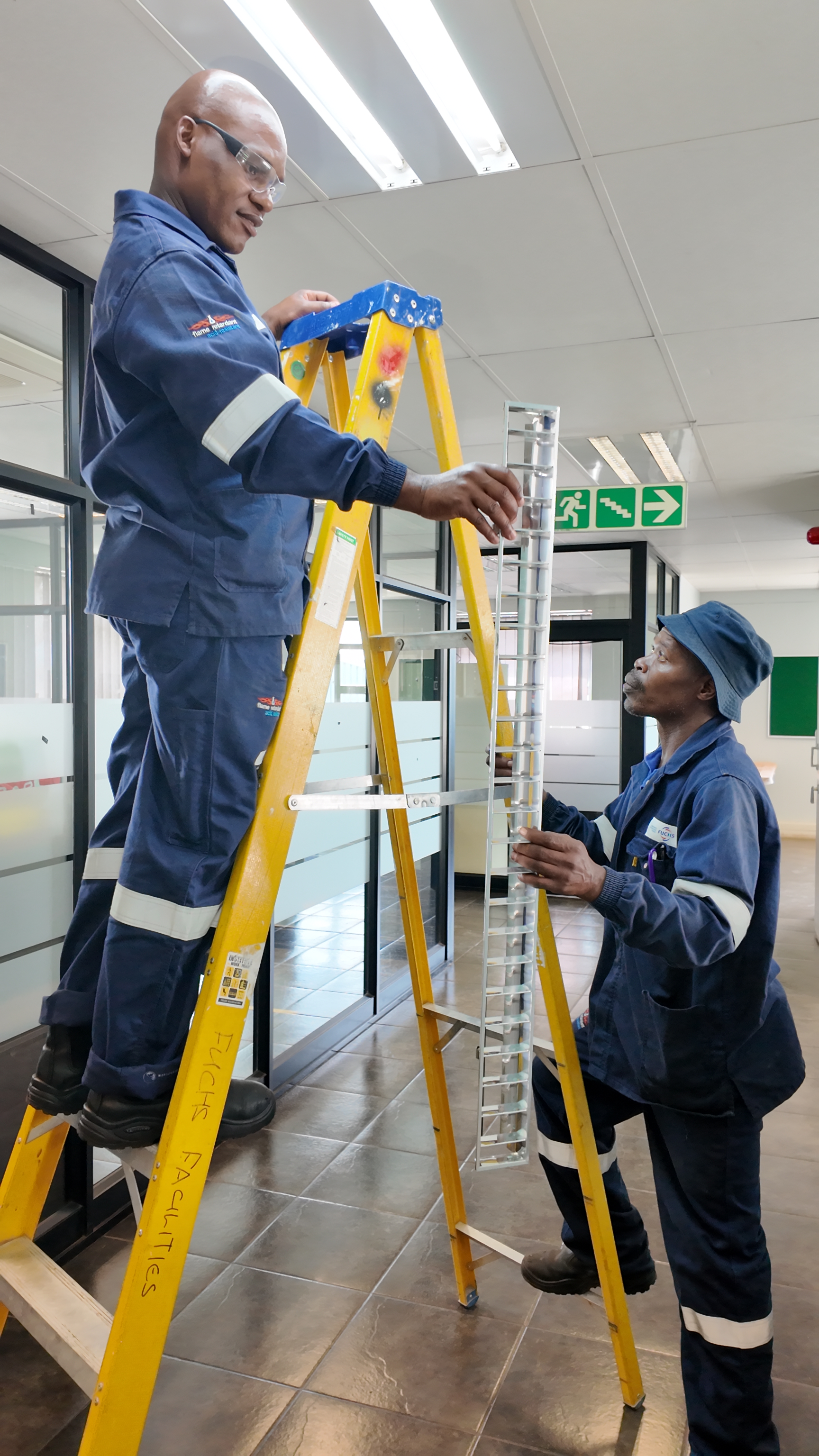
Jafta Thembinkosi Nyambi at work with a colleague.
The pay rise also enabled him to enroll in a Higher Certificate in Public Administration and Management, which he hopes will help advance his career. “The living wage increase has truly changed my life,” Nyambi added.
When Fuchs Lubricants South Africa joined the UN Global Compact in October 2024, the company was looking for ways to strengthen its sustainability practices and better understand where it still had gaps.
“As a company, we want to be socially responsible,” said Esther Seabi, Sustainability Director at Fuchs Lubricants South Africa. The company joined the UN Global Compact to improve its processes and saw it as a way to strengthen “best practices for sustainability”, including through the Global Compact’s accelerator programmes and tools.
One of those programmes was the Human Rights Accelerator, which ran for six months, from February to July 2025. Using the UN Global Compact tools, Fuchs Lubricants South Africa took a systematic approach to human rights due diligence, mapping risks and conducting a risk analysis to identify priority areas.
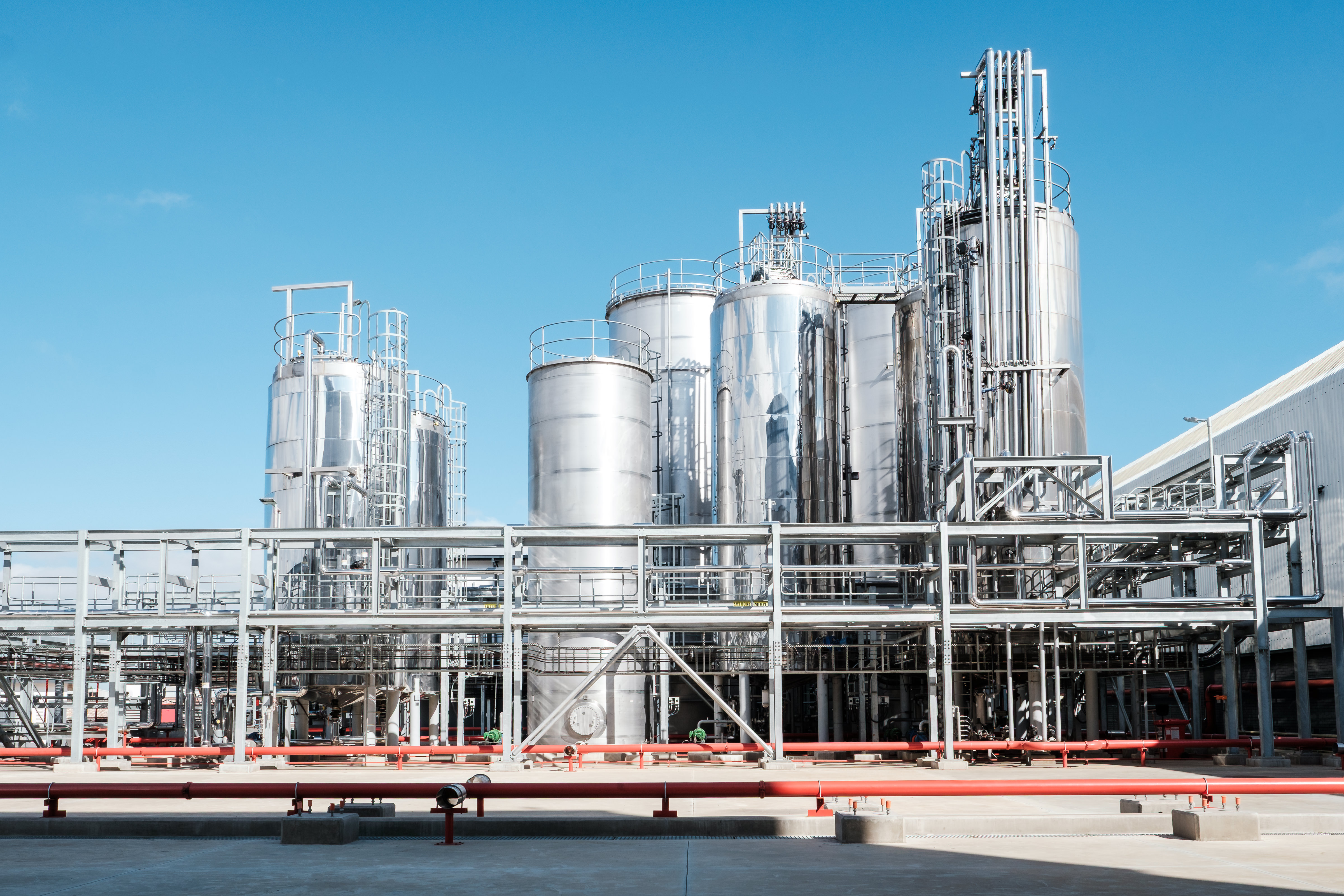
Fuchs Lubricants South Africa.
That process helped identify issues that brought wages into focus and ultimately led to the implementation of living wages. Seabi said the company’s discussions went beyond full-time employees to include workers and contractors, especially in areas such as cleaning, where women are often paid less.
At Fuchs Lubricants South Africa, social sustainability means assuming responsibility both for employees and for society at large. In response, a presentation was made to the company’s executives asking them to commit, under Target 1, to ensuring that all employees were paid a living wage. The assessment showed that one employee — Jafta Thembinkosi Nyambi — was not earning a living wage.
The human rights due diligence exercise also identified harassment and discrimination as risk areas. In response, the company is preparing to implement what Seabi called “Project Dignity” to help mitigate those risks in the business. Fuchs Lubricants South Africa is also engaged in corporate citizenship activities and supports social projects and organizations in the communities where it operates.
Now, Seabi said, the company is moving on to Target 2, which focuses on external parties and the supply chain. Fuchs Lubricants South Africa is also using the human rights due diligence tools to monitor human rights and ethics, as well as its procurement supply chain.
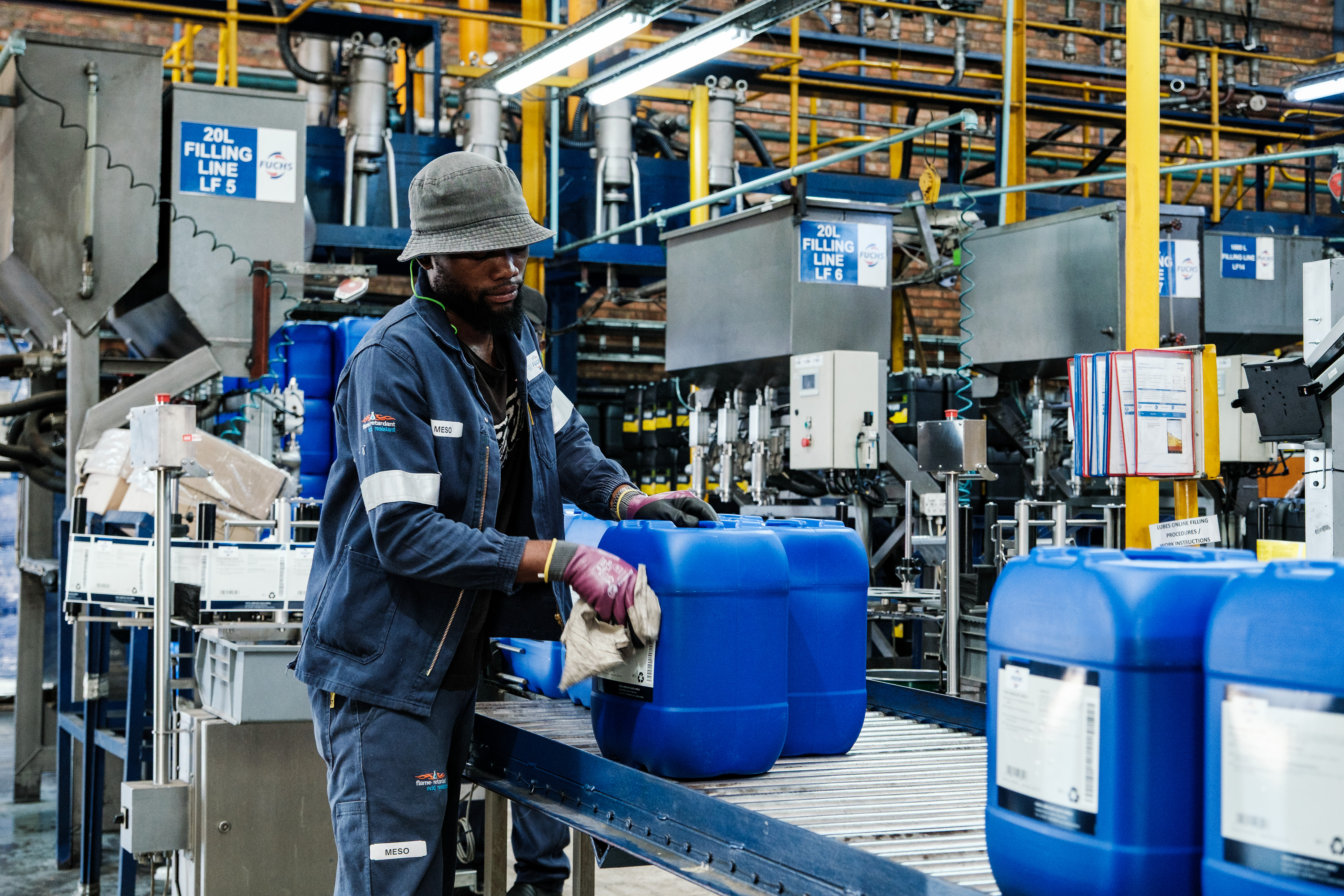
Fuchs Lubricants South Africa.
Fuchs Lubricants South Africa employs almost 400 people and manufactures lubricating oils and greases at its facility in Isando, Kempton Park, Johannesburg. Its products are used in mining, the automotive sector and industry more broadly. The company also invests in training and professional development and supports employees in combining their careers with family responsibilities.