Business Continuity in Times of Crisis: Lessons from the Strait of Hormuz
Read more

When crises erupt, our immediate concern must always be with the human impact. The war in the Middle East has already caused immense suffering and uncertainty for communities across the region, with civilians bearing the heaviest burden of the conflict. Behind every geopolitical crisis are people facing displacement, insecurity and growing economic hardship.
At the same time, these crises also reverberate through the global economy, directly affecting livelihoods far beyond the immediate conflict zone. Rising energy prices, supply chain disruptions and inflation are not abstract market dynamics. They shape the cost of food, transport and essential goods, placing additional strain on households and communities worldwide, particularly those already vulnerable to economic shocks.
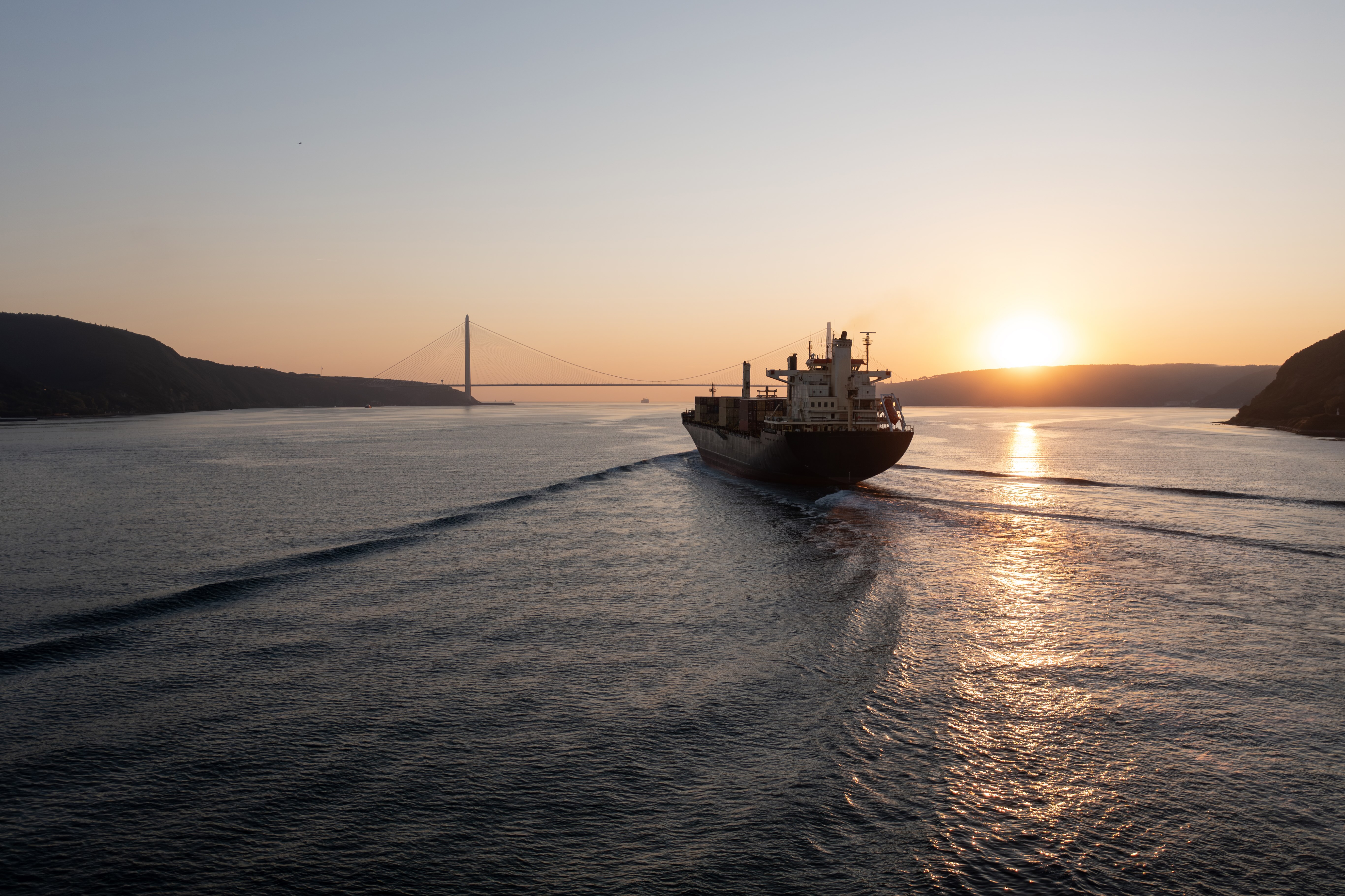
The war in the Middle East has triggered what the International Energy Agency describes as the largest disruption in global oil supply in history, pushing Governments worldwide to rapidly deploy emergency measures to curb demand and protect consumers. The crisis in the Strait of Hormuz is a stark reminder of how quickly global systems can come under strain — and how deeply interconnected those systems are with people’s everyday lives. Within days of the onset of the war, traffic through one of the world’s most critical energy corridors slowed dramatically, oil prices reacted and supply chains began to tighten.
But behind these market movements are real and immediate consequences: rising fuel costs that make transport and food more expensive, pressure on jobs and household incomes, and growing uncertainty for communities already living on the edge of economic vulnerability. What might once have been seen as a regional security issue quickly became a global human and economic challenge.
For businesses, managing through moments like these is therefore not solely a question of protecting operations or maintaining profitability. It is also about understanding the wider responsibility companies carry toward employees, customers, suppliers and communities whose wellbeing is affected by disruption. In an interconnected world, business continuity and social stability are increasingly linked.
The Strait of Hormuz carries a significant share of the world’s oil and gas flows. When access through the Strait falters, the effects cascade far beyond the energy sector, touching everything from logistics and food systems to inflation and financial markets. Nowhere is this more acute than in fertilizer supply, which is heavily dependent on natural gas and global shipping routes.
Disruptions translate quickly into higher input costs for farmers, reduced yields and ultimately pressure on food prices and availability, particularly in import-dependent and vulnerable markets. Recent events have demonstrated how quickly this risk can increase. Shipping costs have risen sharply, driven in part by surging war-risk insurance premiums. Freight routes have been diverted or suspended, creating bottlenecks elsewhere in the system. Supply chains, from fertilizer to consumer goods, have faced delays, with knock-on effects for production, prices and food security.
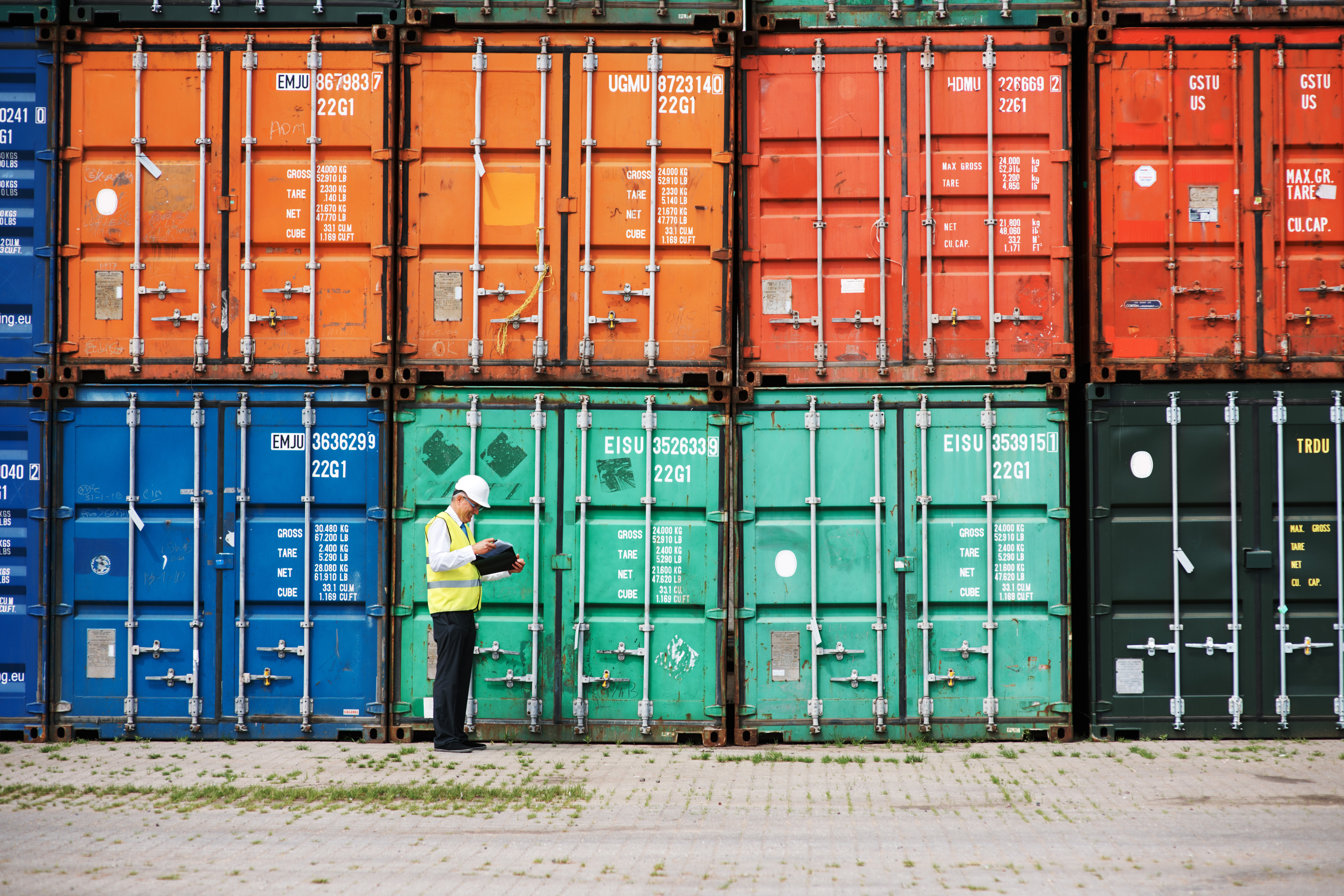
This is not an isolated disruption. It reflects a broader pattern in which geopolitical tensions, climate impacts and economic fragmentation are increasingly overlapping. In this context, the traditional model of global business, optimized for efficiency, lean inventories and just-in-time delivery, is coming under strain. The challenge is no longer simply to operate efficiently in stable conditions but to remain operational in unstable ones.
A rebalancing is emerging. Resilience is becoming as important as efficiency in determining competitiveness. Leading companies are already adapting, not by retreating from global markets, but by redesigning how they operate within them. They are diversifying supply chains across regions to reduce dependency on single points of failure, building buffer capacity in critical inputs and investing in data and scenario planning to anticipate disruptions before they fully materialize. Increasingly, risk considerations are being integrated directly into capital allocation decisions, rather than treated as an afterthought.
The financial dimension of this shift is particularly striking. Events in the Strait of Hormuz have shown how quickly risk is repriced. Insurance premiums, freight costs and energy prices have all adjusted in real time, sometimes within hours of new developments. In some cases, entire routes have been effectively closed due to risk exposure, forcing companies to absorb higher costs or pause operations altogether. For CFOs and financial leaders, this underscores a fundamental change: risk is no longer static or predictable. It is dynamic, interconnected and systemic.
This makes business continuity a cross-functional challenge. It requires closer integration between finance, operations and risk management, as well as stronger engagement with external partners. Insurers, logistics providers, financial institutions and multilateral organizations all play a role in enabling businesses to continue operating under stress. No single company, regardless of size, can navigate systemic disruption alone.
This is where collective action becomes critical. The response to recent disruptions has highlighted the importance of coordination, whether in securing shipping routes, maintaining the availability of insurance coverage or stabilizing markets. The principles underpinning the UN Global Compact, particularly the emphasis on partnership and shared responsibility, are directly relevant in this context. Building resilience at scale requires collaboration across sectors and borders.

At the same time, moments of crisis are also moments of transformation. They expose vulnerabilities, but they also create opportunities to rethink systems and strengthen capabilities. The companies that emerge stronger are those that treat disruption not only as a shock to absorb but as a signal to adapt. They embed resilience into strategy, invest in visibility and agility and maintain transparency with stakeholders during periods of uncertainty.
The Strait of Hormuz is not an anomaly. It is part of a broader shift in the global operating environment. Disruption is becoming more frequent, more complex and more interconnected. In this context, business continuity is no longer about preserving the status quo. It is about building the capacity to operate and lead through uncertainty.
For business, that is not simply a matter of risk management. It is a source of resilience, credibility and increasingly, competitive advantage.