
Securing 11 Tons a Year of Organic Pepper Through Responsible Sourcing
Start Reading

1. Company at a Glance
This case study explores how the Jean Hénaff Group, a long-standing family-owned food manufacturer, has developed a responsible and organic pepper supply chain on the island of São Tomé, whose climate is well suited to Piper nigrum and whose largely pristine forest environment offered the potential for a premium pepper source not shaped by intensive production practices.
Faced with quality challenges and committed to long-term control of raw material sourcing, the company chose to invest directly in the development of a local, fair and fully traceable supply chain. The initiative illustrates how long-term partnerships, pre-financing and capacity building can support both product quality and positive social impact.
Food manufacturing
Industry
1907
Founded
Brittany, France
Headquarters
265
Number of Employees
2. The Challenge
Pepper is a key ingredient in Jean Hénaff’s products, notably its flagship pâtés and sausages. In 2008, the company faced consumer complaints linked to the organoleptic quality of ground pepper. The issue highlighted both a product-quality risk and a reputational risk.
Beyond addressing short-term quality concerns, the Group faced a broader challenge: securing a long-term supply of high-quality pepper while ensuring fair conditions, traceability and social development in a context marked by poverty and limited economic opportunities for local producers.
3. The Action
SECURING A HIGH-QUALITY AND RESPONSIBLE SOURCE OF PEPPER
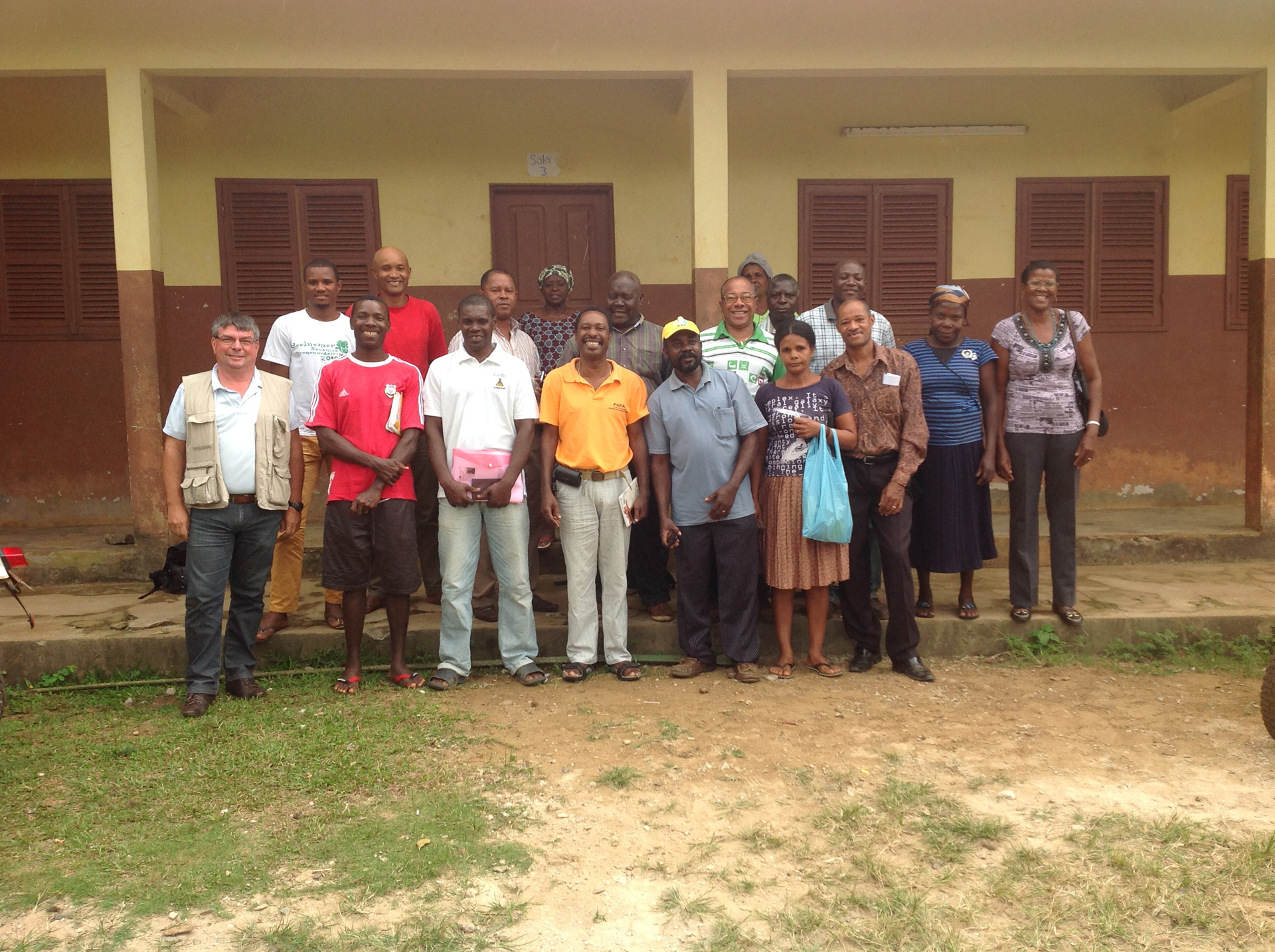
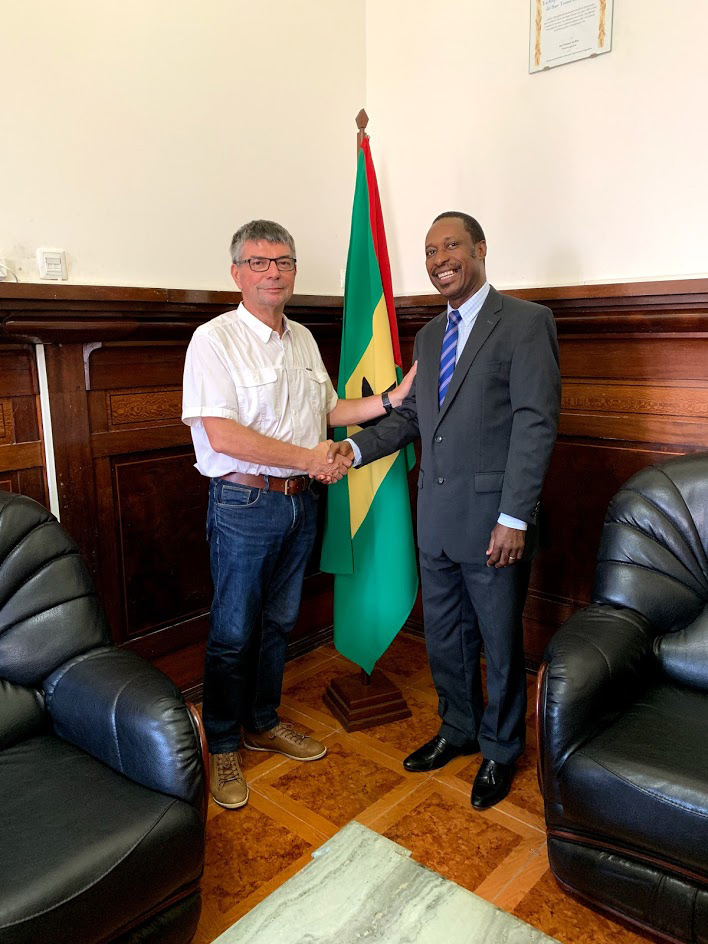
In response to recurring quality issues in its pepper supply, Jean Hénaff identified São Tomé as a promising origin for a more reliable and responsible sourcing model. To build the supply chain, the Group partnered with Laboratoire d’Herboristerie Générale (LHG- General Herbalism Laboratory), a French spice sourcing and trading company with expertise in origin development. LHG helped structure the supply chain on the ground through the creation of the Cooperativa de Exportação de Pimenta Biológica (CEPIBA- Organic Pepper Export Cooperative), a local cooperative that brought together smallholder farmers already established on the island, smallholder farmers, coordinated collection and export, and supported compliance with organic production requirements.
PRE-FINANCING PRODUCTION AT A FAIR AND FIXED PRICE
Jean Hénaff committed to pre-financing the pepper harvest at a fixed annual price. This mechanism guarantees producers a stable and fair income regardless of harvest volumes and supports the long-term development of the sector. Pepper farming remains a complementary, family-based activity for producers on the island.
EXTERNAL ENGAGEMENT & PUBLIC ADVOCACY
Farmers received training in organic farming practices through the supply-chain partnership, with technical support provided on the ground to help producers improve quality and meet export requirements.
The pepper is hand-harvested and sun-dried, and it is audited annually for AB organic certification, France’s organic label used for products that meet certified organic production standards. These practices helped ensure consistent quality while preserving low-impact, traditional production methods.
In addition to organic compliance, the supply chain incorporated technical guidance on core cultivation practices such as manure application, pruning, mulching, irrigation, and pest and disease management. In some cases, this also included more advanced irrigation options and mulching techniques using plants recognized for their potential to support soil fertility. Pepper was also commonly grown in mixed-crop systems alongside cocoa, coffee and other crops, rather than mainly in monoculture.
EXTERNAL ENGAGEMENT & PUBLIC ADVOCACY
Over time, the supply chain scaled beyond the company’s annual needs of 11 tons, enabling producers to commercialize surplus pepper with additional buyers. In 2023, 350 farmers organized through the cooperative cultivated 90 hectares. For Jean Hénaff, the model provides full traceability and a reliable supply of high-quality pepper; for producers, it expands market access through a structured and quality- assured value chain.
4. Overcoming Barriers
Production Variability and Technical Skill Gaps:
During implementation, the company faced significant fluctuations in pepper yield and a lack of specific organic farming expertise among local producers. To resolve this, Jean Hénaff invested in continuous training and capacity building, helping farmers adopt strict organic (AB) standards.
Financial Insecurity for Local Producers:
Limited local economic resources and the poverty of producers threatened the stability of the new supply chain during its early stages. The Group overcame this by implementing a pre-financing model and committing to a fixed annual purchase price for the pepper.
5. Impacts & Results
From one ton of pepper produced in 2011 to 11 tons in 2018.
The initiative has secured a stable supply of high-quality organic pepper.
Farmers benefit from guaranteed prices, organic certification and improved agricultural skills.
Established full traceability for needed pepper supply.
6. Key Lessons Learned
Pre-financing and fair pricing are powerful tools for supply-chain stability
Long-term partnerships enable both social impact and product excellence
Traceability and capacity building strengthen resilience in agricultural supply chains
Quality challenges can be a catalyst for more responsible sourcing models

"Since 1907 we have created and manufactured in Brittany a whole range of products according to our positive impact programme named Be Good 2030. One of the key elements is to commit ourselves upstream in our supply chain and the pepper supply is a proof of concept that we are extending to pork, seaweed and fish.”
Loïc Hénaff, Chairman & CEO, Jean Hénaff Group
7. Company Commitment
Jean Hénaff has been a committed participant of the UN Global Compact since 2003

8. Recommended Resources
Recommended UN Global Compact Resources


Download Case Study
Disclaimer: This case example is intended strictly for learning purposes and does not constitute an endorsement of the individual companies by the UN Global Compact.