
Outokumpu Embeds Sustainability into Procurement, Reducing Scope 3 Emissions from 1.14 to 0.81 t CO2/t Stainless Steel
Start Reading

1. Company at a Glance
In this case study, we will discover how Outokumpu, a Finland-based stainless steel producer with a business model built around circularity, embedded sustainability into procurement to reduce Scope 3 emissions, strengthen responsible sourcing, and increase the maturity of its suppliers’ sustainability practices across its raw material value chain.
Manufacturing (Metals and Mining)
Industry
1910
Founded
Helsinki, Finland
Headquarters
Approx. 8,600
Global Workforce
Nearly 30 countries around the world
Global Presence
2. The Challenge
Making procurement a sustainability lever
Outokumpu identified a critical challenge in its upstream value chain: most of the company’s greenhouse gas emissions, as well as many of its key human rights risks, were linked to the sourcing of raw materials such as steel scrap and alloys. Because these inputs play a decisive role in the carbon footprint of stainless steel, the company recognized that procurement decisions had to go beyond cost, quality, and availability and actively support decarbonization, circularity and responsible sourcing.
At the same time, growing expectations from customers, investors, and regulators for low-carbon materials and more transparent value chains reinforced the need for a more structured and strategic approach.
This created a clear opportunity to use procurement as a practical lever to reduce emissions, strengthen supply chain resilience, and better align sourcing decisions with Outokumpu’s broader sustainability strategy.
3. The Action
Building sustainable procurement into sourcing decisions and supplier management
SET CLEAR SOURCING PRIORITIES AROUND CIRCULARITY AND LOW- EMISSION MATERIALS
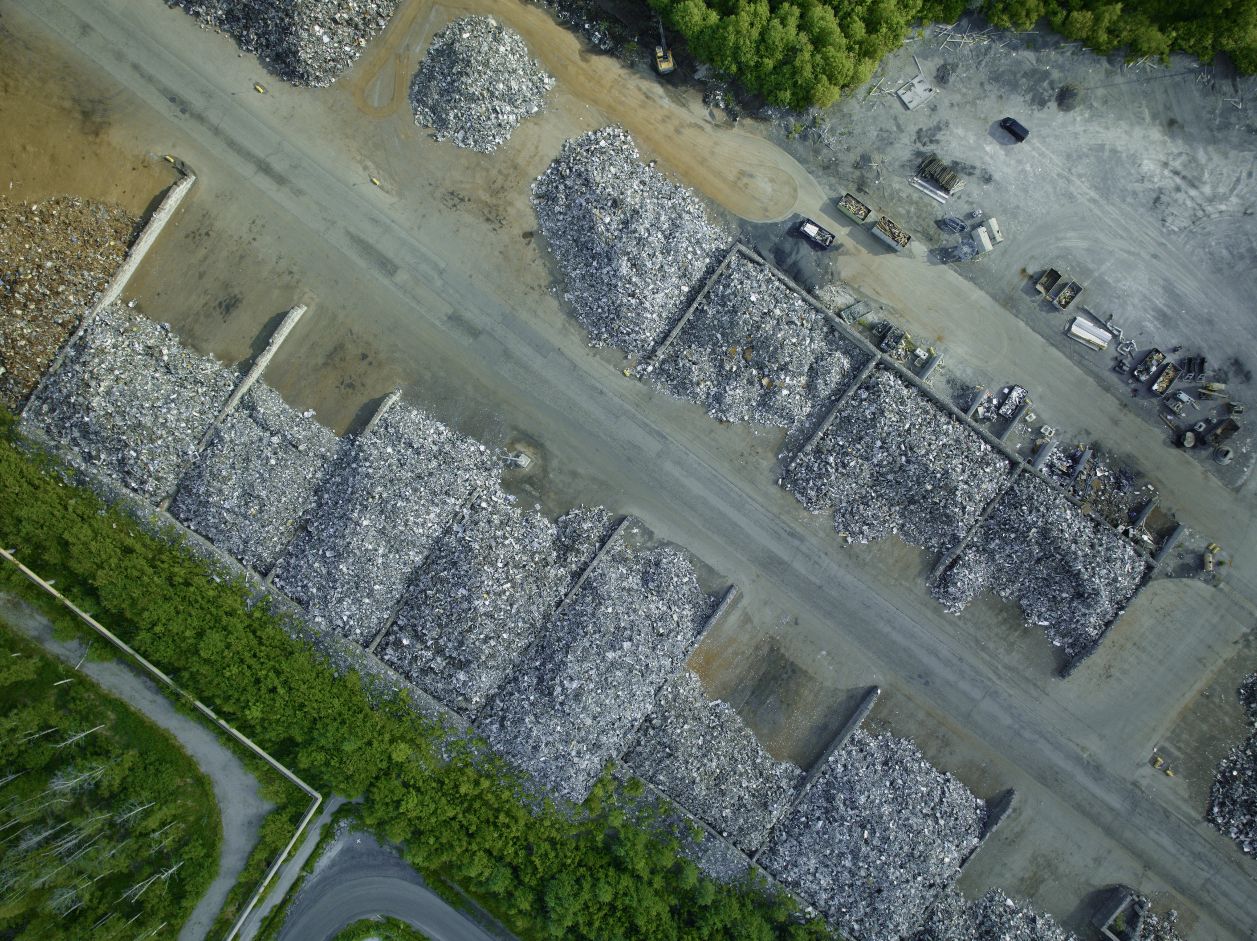
Outokumpu established a “circularity first” approach to procurement, prioritizing recycled materials and steel scrap wherever technically feasible. This sourcing principle was directly linked to the company’s commitment to the 1.5°C target and its broader ambition to reduce climate impacts across the value chain.
Where primary raw materials were still needed, Outokumpu focused on identifying lower-emission sourcing options. To support this, the company began collecting emissions data from suppliers and using it to inform purchasing decisions.
INTEGRATE SUSTAINABILITY REQUIREMENTS INTO SUPPLIER SELECTION AND SUPPLIER PERFORMANCE MANAGEMENT
Outokumpu applies sustainability requirements to both new and existing suppliers, while adapting sustainability to each stage of the supplier relationship. For new suppliers, the company introduced a structured onboarding process focused on transparency across the value chain. Suppliers are expected to provide relevant documentation, such as details of the full supply chain, certifications as well as human rights policies and sustainability reports. Acceptance of Outokumpu’s Supplier Code of Conduct and Supplier Requirement is also requested as part of the onboarding process and incorporated into supplier agreements. This helps Outokumpu to assess alignment with its sustainability expectations before entering or expanding a business relationship.
For existing suppliers, Outokumpu integrated sustainability into supplier scorecards used to assess performance over time. These scorecards have a meaningful influence on purchasing decisions, especially when results are discussed with suppliers and improvement actions with implementation timeline agreed. Those may include recommendations on e.g. calculation of product specific CO2 emissions, building a decarbonization roadmap as well as formalizing ways of working into policy frameworks or management systems into certifications.
This ensures sustainability is a routine part of supplier management, procurement decisions, and long- term sourcing relationships.
EXPAND SUPPLIER DUE DILIGENCE USING A RISK-BASED APPROACH
Outokumpu strengthened supplier sustainability due diligence by developing a risk-based approach aligned with the expectations of the UN Guiding Principles on Business and Human Rights. This approach combined several tools, including supplier onboarding, supplier sustainability risk assessments, sustainability self-assessments and on-site assessments.
The company assesses supplier risk using factors such as country risk, value chain risk, assessments results, certifications, previous audit findings and other relevant inputs. This allows Outokumpu to focus attention on suppliers and raw material value chains with higher potential impacts, rather than applying the same level of review to every supplier.
Since 2021, Outokumpu has conducted sustainability audits and human rights impact assessments on 18 medium- and high-risk suppliers focusing on risks of the supplier, its country and industry as well as the maturity of their due diligence practices. In addition, Outokumpu has conducted around 50 sustainability visits and HSEQ (health, safety, environment and quality) assessments on lower-risk suppliers.
As the approach matured, in 2024 Outokumpu further sharpened its due diligence priorities by identifying high- risk value chains as well as salient human rights impacts across its own operations and upstream value chain.
BUILD CLOSER PARTNERSHIPS WITH STRATEGIC RAW MATERIAL SUPPLIERS
The company strengthens long-term collaboration with key suppliers, especially those providing scrap and low-emission alloys. Outokumpu uses ongoing supplier engagement to share best practices and support improvement over time. This helps create a more practical basis for working on emissions reduction, transparency, and responsible sourcing with suppliers that have a significant influence on the company’s overall footprint.
Outokumpu has also made agreements and invested in companies such as Cronimet, FPX Nickel and Greenland Resources to secure access to low emission materials in the future.
IMPROVE TRACEABILITY AND EMISSIONS DATA ACROSS RAW MATERIAL FLOWS
Outokumpu worked to improve traceability by documenting existing knowledge about supply chains and by filling in the gaps together with direct suppliers. This was the first step in improving data quality for raw material flows. Then Outokumpu was also able to start collecting and using supplier specific emissions, instead of using secondary emissions data for raw material scope 3 emissions.
The company recognizes that suppliers have different levels of sustainability maturity, so data gaps are not treated as automatic disqualifiers. Outokumpu utilizes third-party sustainability self-assessment tools to gain more understanding of suppliers’ strengths and development areas. Better data helps procurement and sustainability teams identify risks earlier, prioritize engagement with higher-impact suppliers, and make more informed sourcing decisions.
COLLABORATE ACROSS PROCUREMENT, SUSTAINABILITY, OPERATIONS, LEGAL, AND OTHER INTERNAL TEAMS
Implementation required close collaboration between procurement, supplier sustainability, operations, legal & compliance, and sustainability teams. Legal and compliance teams are tightly involved in policy and contract work, but also in supplier onboardings and regular screenings. Group Sustainability team supports with company-wide CO2 calculations and reporting and coordinates sustainability due diligence work across the company. Operations play a key role in providing feedback regarding new types of raw materials.
Leadership embedded sustainability and climate targets into company strategy and targets already earlier, and procurement was given a clear mandate to implement the necessary actions. External experts were also brought in to support areas where the company did not yet have in-house capacity, such as the development of its initial social audit approach.
SCALE THE APPROACH TO OTHER VALUE CHAINS AND BROADER SUSTAINABILITY IMPACTS
Outokumpu is now working to reflect a wider set of sustainability considerations in procurement decisions. While biodiversity and social considerations are already integrated into supplier on-site assessments, the company aims to strengthen how these factors are considered in supplier selection and evaluation where relevant. This would help move sustainable procurement beyond climate performance alone and support a more integrated approach to responsible sourcing across the value chain.
4. Overcoming Barriers
Limited data and uneven supplier maturity
Outokumpu strengthened traceability and data quality for raw material flows and emissions, while using a risk-based approach to gain more understanding through self-assessments and on-site audits to improve visibility across its supply chain.
Balancing sustainability with cost, quality, and supply security
The company took a pragmatic approach, prioritizing transparency, long-term partnerships, and gradual improvement rather than short- term exclusion.
Embedding sustainability consistently into procurement decisions
Close coordination across procurement, sustainability, and legal teams helped translate sustainability requirements into day-to-day sourcing decisions.
5. Impacts & Results
Reduced Scope 3 emissions intensity by 21%, from 1.14 t CO2/t stainless steel in 2021 to 0.81 t CO2/t stainless steel in 2025, showing measurable progress in lowering value chain emissions linked to raw material sourcing.
Increased supplier maturity in sustainability by 20% over five years, based on third party managed self- assessment scores.
Since 2022, the company has reached 94% Supplier Code of Conduct coverage among high-impact suppliers, with a stated target of 100% by 2030.
Between 2021-2025, Outokumpu’s recycled material rate, which includes both scrap and other recycled materials, increased from 89,6 % to 96,7 % being the highest in the industry.
Improved proactive risk identification and mitigation in the supply chain, allowing the company to identify and mitigate issues earlier instead of relying on external stakeholders raising them.
Strengthened internal alignment between company values, strategy, and daily decision-making.
Improved regulatory and market readiness by establishing sustainable procurement processes and policies from 2021, before many emerging requirements became more prominent.
6. Key Lessons Learned
Treat sustainable procurement as a business tool, not a compliance exercise
Outokumpu found that procurement can only drive meaningful change when sustainability is built into core sourcing decisions, supplier selection, and long-term supply strategies, rather than managed as a separate process.
Start where impacts and risks are highest
Companies do not need to have every process fully developed from the outset. A more effective approach is to begin with the areas where procurement decisions create the greatest sustainability risks and opportunities. For Outokumpu, this meant updating the supplier onboarding process early on, so that sustainability expectations were embedded before new suppliers entered the supply chain. This helped prevent the company from onboarding suppliers that did not meet its requirements and created a stronger foundation for scaling responsible sourcing practices over time.
Use supplier assessments as a basis for engagement, not only as a filter
Outokumpu learned that audits, scorecards and self-assessments create the most value when they are used to start practical conversations with suppliers about improvement areas, rather than only to identify risks or make exclusion decisions.

"Sustainable procurement only works when it becomes part of everyday sourcing decisions. For us, that meant focusing first on the raw materials with the highest impact, improving visibility across the supply chain, and working with suppliers over time rather than expecting change overnight.”
Pia Lindqvist, Head of Supplier Sustainability
7. Company Commitment
Outokumpu has been a committed participant in several UN Global Compact initiatives since 2021:
Founding Member of the Coalition for Sustainable Procurement
Member of the Human Rights Think Lab
Participated in Business and Human Rights as well as Science Based Targets for Nature trainings

8. Recommended Resources
Recommended UN Global Compact Resources


Download Case Study
Disclaimer: This case example is intended strictly for learning purposes and does not constitute an endorsement of the individual companies by the UN Global Compact.