
Keeping Rural Water Services Running for 70 Million People in Sub-Saharan Africa
Start Reading

1. Company at a Glance
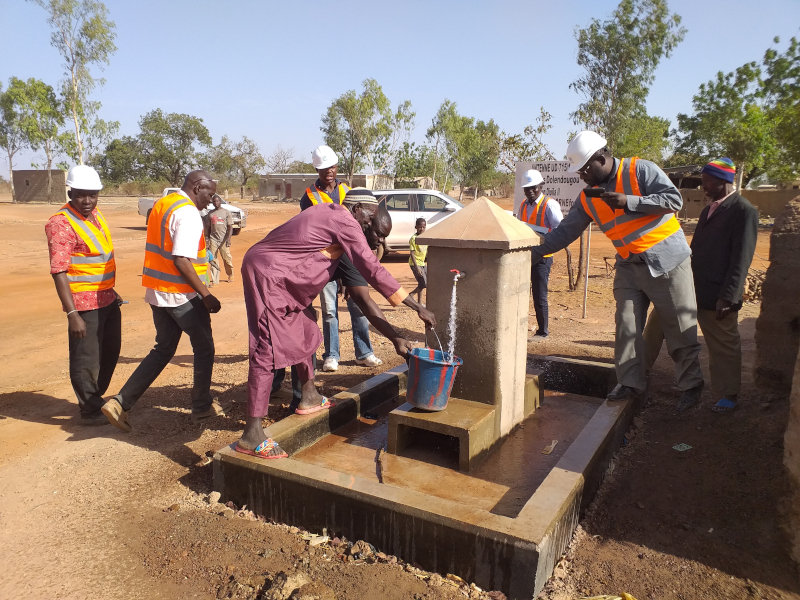
Discover how Vergnet Hydro, a French SME specialized in rural water infrastructure, is helping secure access to water for 70 million people across sub-Saharan Africa by combining infrastructure development with long-term operations and maintenance models. Working in remote communities, the company supports reliable drinking water services through context-appropriate technology, service design, locally embedded maintenance systems and the training of local people for water-related jobs. This integrated approach helps ensure that water infrastructure remains functional, reliable and sustainable over time.
Rural water infrastructure and service delivery
Industry
2004
Founded
France
Headquarters
85 total, of which 63 are in Sub Saharan Africa through its subsidiaries in Burkina Faso, Benin and Côte d’Ivoire
Number of Employees
Part of the Odial Solutions group, its parent company
Group Affiliation
Global Presence
Sub-Saharan Africa through projects, partners and operational
2. The Challenge
From broken infrastructure to reliable rural water services
Across sub-Saharan Africa, major investments have been made in rural water infrastructure over the past decades. However, many programs have focused primarily on construction, with limited attention to how systems will be operated and maintained over time. As a result, breakdowns can lead to long service interruptions when spare parts, technical skills, or clear maintenance responsibilities are lacking.
Providing reliable water services in rural areas is particularly challenging due to dispersed populations, remote locations and limited local technical capacity. Historically, many systems have been managed by community committees or volunteer structures, which can struggle to ensure professional maintenance and consistent financial management, especially as technologies become more complex.
In response, Vergnet Hydro progressively shifted from infrastructure-focused projects toward a service-based approach aimed at ensuring long-term functionality. This means designing not only the technical solution, but also the operational model that will sustain it over time. Through its operational subsidiaries, Uduma, the company combines context- appropriate technology with structured maintenance systems, local technical capacity and clearer management arrangements, so that rural water systems are not only built, but kept running reliably over the long term.
3. The Action
Building service models, not just water infrastructure
DESIGNING THE SERVICE MODEL ALONGSIDE INFRASTRUCTURE
Before a single pipe is laid, the management model is defined. This involves analyzing real demand, affordability and governance responsibilities. Engineering choices are adapted to the community’s specific needs, rather than forcing a standard technical solution.
CHOOSING TECHNOLOGIES ADAPTED TO RURAL CONTEXTS
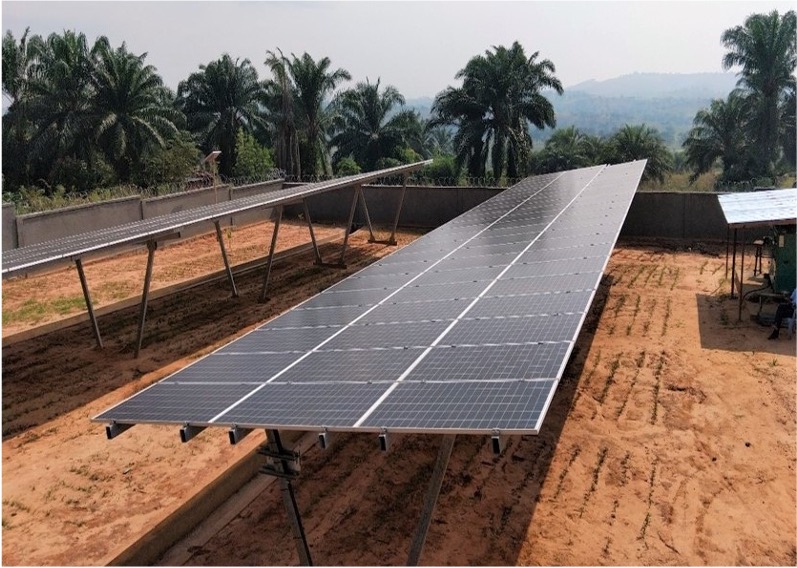
Technology is selected based on durability, ease of repair and availability of spare parts. Different solutions are used depending on settlement patterns, including manual pumps for dispersed communities and solar-powered pumping systems or small piped networks for larger rural centers. Systems are designed so that repairs can be carried out locally without specialized equipment.
ESTABLISHING PROFESSIONALIZED OPERATIONS AND MAINTENANCE
Through the operational subsidiary, Uduma, dedicated field teams ensure the day-to-day operation and maintenance of water systems. Their work includes routine monitoring, preventive maintenance and repairs when technical failures occur.
Local technicians are trained and equipped to carry out most interventions directly in rural areas. Structured maintenance procedures and organized spare part supply chains help ensure rapid interventions and limit service interruptions.
IMPROVING TRANSPARENCY THROUGH DIGITAL TOOLS
Digital tools are used to strengthen the management of rural water services. Infrastructure is monitored and maintenance activities are tracked to support operational decision-making and improve accountability. In some systems, cashless payment solutions are introduced to record water sales transparently and reduce the risk of fund mismanagement, helping ensure that revenues remain available for ongoing maintenance.
ALIGNING WITH NATIONAL STRATEGIC PLANS
To ensure long-term sustainability and scalability, projects are implemented in coordination with national water and sanitation strategies and in collaboration with public authorities and development partners (such as the Agence Française de Développement and the World Bank). This helps integrate rural water infrastructure into broader public service delivery frameworks.
4. Overcoming Barriers
Implementing sustainable rural water services requires addressing several structural barriers that have historically limited the long-term functionality of water infrastructure.
Shifting toward service-based models requires integrating operational responsibilities and maintenance planning from the outset.
Ensuring that sufficient resources are available for maintenance is a persistent challenge. Transparent revenue management and clear reinvestment mechanisms help ensure that funds collected from water services contribute to system upkeep.
Sustainable service delivery requires clearly defined responsibilities between communities, operators and public authorities. Establishing these roles is essential for ensuring accountability and effective maintenance.
5. Impacts & Results
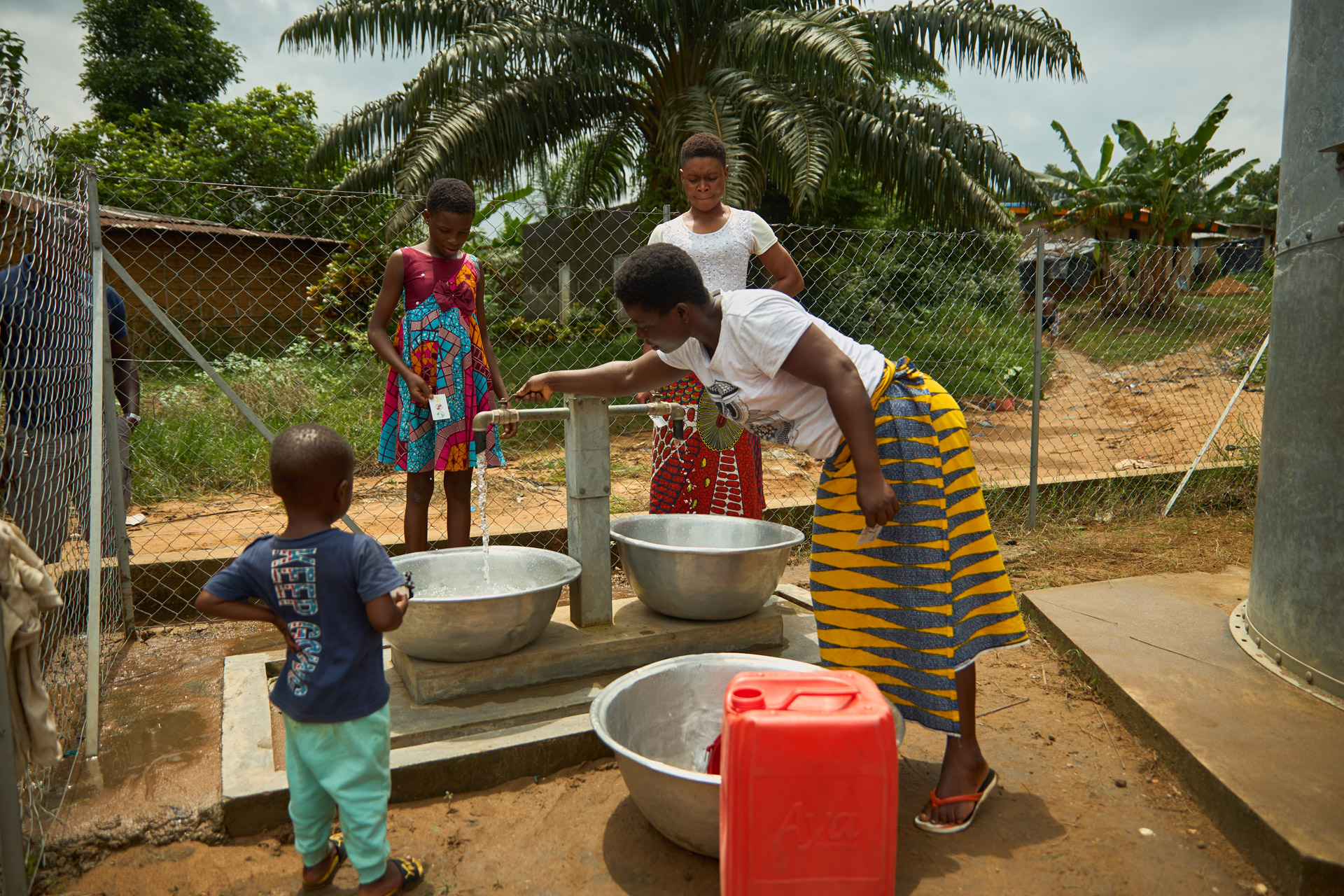
Over 70 million people rely daily on water supplied through Vergnet Hydro’s installations.
Over 1,033 water points currently operated and maintained across sub- Saharan Africa.
Systems range from manual pumps to solar-powered pumping stations and rural piped networks.
Rural piped networks include 1,240 household connections and 285 public standpipes.
629,580 people served through systems managed under professional Operations and Maintenance models.
Systems managed under the Uduma service model achieve uptime levels above 94%.
Average technical repair time across multiple countries: 2.8 days.
711 water points using cashless payment systems.
Creation of operational subsidiaries such as Uduma, enabling long-term service delivery and local presence in several African countries.
Strengthened partnerships with governments, donors and development partners interested in sustainable rural water service models.
6. Key Lessons Learned
Reliable water access requires an organized service system, not only infrastructure installation.
Water services must respond to what users value and are willing to pay for. Service levels and technology choices should reflect user demand, reliability expectations and affordability, rather than only technical standards or project assumptions.
Maintenance must be designed from the start. Service models, spare parts logistics and financing mechanisms should be planned before infrastructure is installed.

"Using water is not the same as running a water service. Reliable access depends on organised maintenance and professional operations. Our experience shows that rural water systems can remain functional over time when they are managed as a service, not only installed as infrastructure.”
Christophe Leger, General Secretary Group
7. Recommended Resources
Recommended UN Global Compact Resources

Download Case Study
Disclaimer: This case example is intended strictly for learning purposes and does not constitute an endorsement of the individual companies by the UN Global Compact.