
JDE Peets: Embedding Human Rights & Environmental Due Diligence in Sustainable Procurement
Start Reading

1. Company at a Glance
As the world’s leading pure-play coffee company, JDE Peet’s recognizes that human rights, environmental and climate risks are inherent in agricultural supply chains. Responsible sourcing, therefore, does not imply the absence of risk in supply chains; instead, it requires an ongoing and structured process of identification, prioritization, action and learning.
Through its Common Grounds programme, the company combines risk-based assessments, long-term investment and cross-value-chain partnerships to drive measurable impact and improvements for farmers, ecosystems and supply-chain resilience.
Beverages
Industry
JDE Peet’s, the Coffee Operating Unit, is part of Keurig Dr Pepper since 2026. JDE Peet’s was founded in 2015 (with iconic brands dating back to 1753)
Founded
Amsterdam, The Netherlands
Headquarters
21,000+
Number of Employees
Active in 100+ markets
Global footprint
2. The Challenge
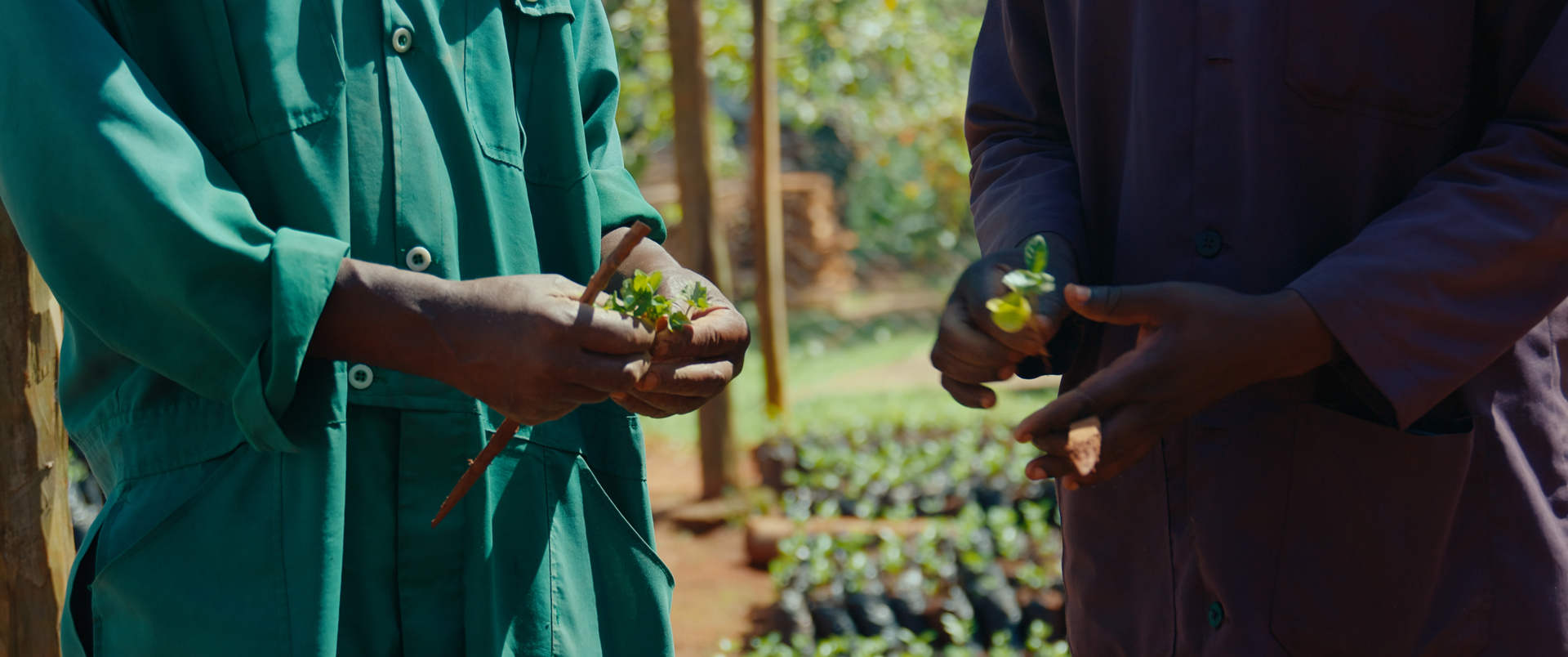
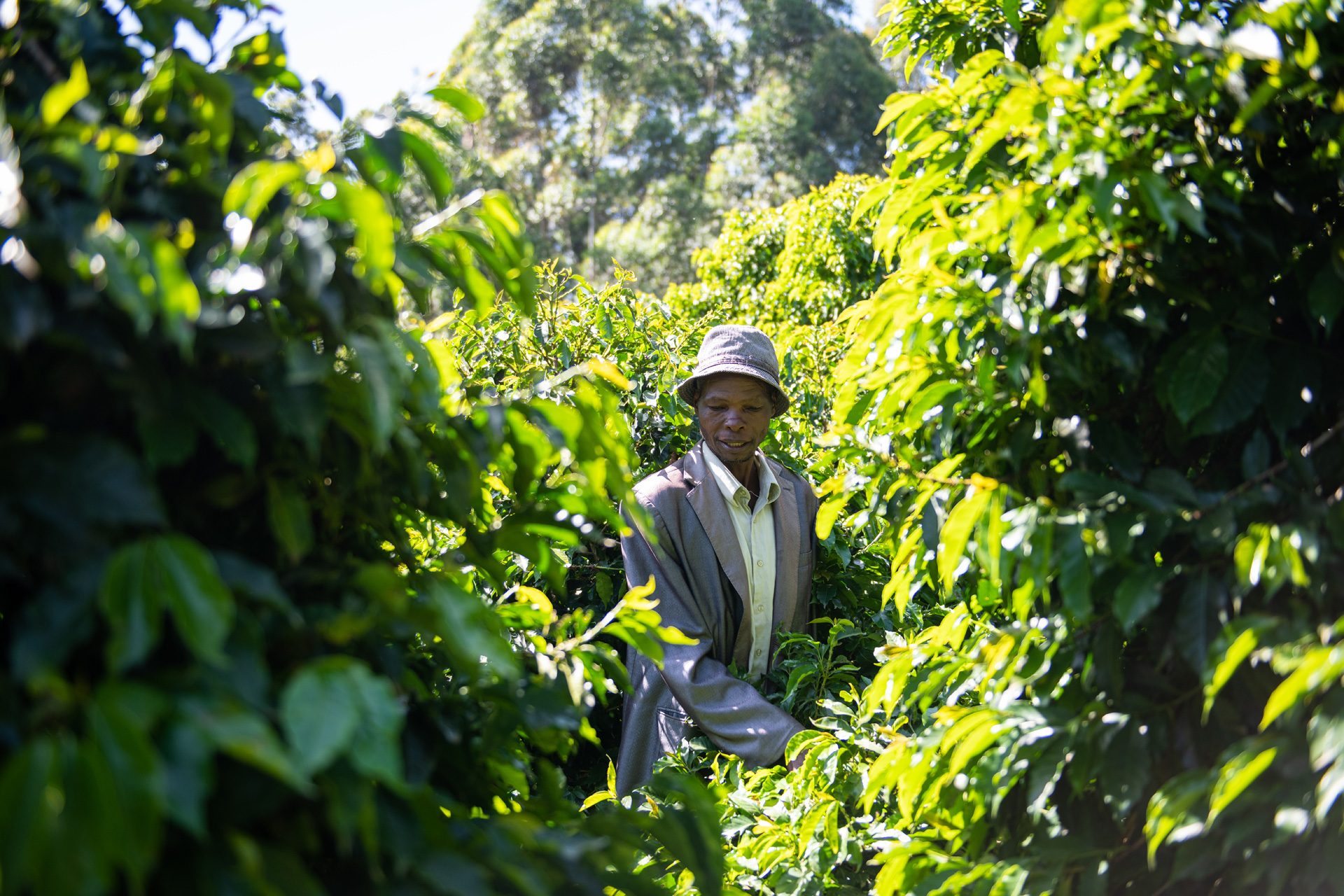
Coffee and tea are grown in diverse origins, largely by smallholder farmers who face structural challenges related to productivity, livelihoods, climate change and governance. In regions such as Western Kenya, coffee remains a key source of income, yet yields are far below potential due to climatic conditions, weak extension services, inefficient cooperative structures and suboptimal farm practices.
At the same time, global supply chains are under increasing pressure from climate volatility, market instability and changing regulations, including rising expectations around traceability, transparency and responsible business conduct.
For JDE Peet’s, these factors underscore the need for a risk-based, dynamic, proactive sourcing strategy grounded in Human Rights and Environmental Due Diligence (HREDD) principles – not a compliance-based or transactional model. The overall objective is to demonstrate credible, measurable progress for people, nature and climate across complex origin contexts, while safeguarding the reliability and quality of long-term coffee and tea supply.

3. The Action
JDE Peet’s aimed to align its responsible sourcing model with the OECD-FAO Guidance for Responsible Agricultural Supply Chains and the UN Guiding Principles on Business and Human Rights, which reflects the company’s ongoing human rights and environmental due diligence (HREDD) commitments.
EXTERNAL ENGAGEMENT & PUBLIC ADVOCACY
JDE Peet’s frames responsible sourcing as active engagement with farmers and sourcing regions to understand challenges and invest and co-create pathways for improvement over time. This includes working with suppliers, farmers and cooperatives, NGOs, community organisations and, where relevant, public bodies. In practice, this means treating “responsibly sourced” as a commitment to continuous improvement and measurable impact for people, nature and climate, rather than a guarantee that no risks are present.
DIAGNOSE PRIORITY RISKS USING A STRUCTURED “ASSESS” STEP
JDE Peet’s combines multiple data sources and third-party assessments to map supply chains and identify priority issues across key topics (e.g., working conditions, child labour and forced labour, climate and nature). In parallel, it engages suppliers through self-assessments to understand responsible business practices and the risks and opportunities facing farming communities. The combined insights help focus effort where it is most material and actionable.
“ADDRESS” THE RISKS THROUGH MULTI-YEAR, LOCALLY TAILORED FARMER PROGRAMMES
JDE Peet’s translates assessment insights into multi-year programmes (between 3–10 years) co-designed and implemented with a coalition of local actors (farmers, cooperatives, suppliers, NGOs and, where relevant, local authorities). Programmes are designed around the specific constraints of each origin, with clear adoption goals and delivery channels that can reach farmers at scale. Examples include:
Western Kenya Programme:
- Improve productivity and climate-smart practices via existing cooperative networks: In Kisii and Nyamira counties, the programme leveraged cooperative structures to deliver training on good agricultural, regenerative and climate-smart practices, with a deliberate focus on inclusion (women and youth).
- Strengthen quality systems, infrastructure and cooperative governance to enable traceability and resilience. Beyond agronomy, the partnership supported post-harvest quality management, advisory services, and investments in processing and digital infrastructure. It also strengthened governance and member services to improve aggregation, traceability and readiness for evolving requirements (e.g., the EU Deforestation Regulation).
TRACK “PROGRESS” THROUGH MEASUREMENT, LEARNING AND ITERATION
Outcome monitoring draws on a combination of third-party verification, supplier disclosures and direct farmer-level assessments. Measurement methodologies are continuously refined. Findings are shared with partners to enable collective learning, enhance programme design and inform decision-making.
EMBEDDING RESPONSIBLE SOURCING INTO PROCUREMENT DECISIONS
Sustainability and commercial teams work closely together to ensure responsible sourcing objectives are reflected in purchasing decisions. This collaboration supports long-term supplier relationships, and alignment between commercial performance and responsible business conduct.
This integration prevents responsible sourcing from operating in a silo and strengthens its impact across the organization.
4. Overcoming Barriers
Reaching smallholders and driving consistent adoption at scale
Dispersed farms and uneven extension/cooperative capacity made it hard to reach farmers consistently. Working through trusted local networks helped broaden access to training, technical assistance and services, with a deliberate focus on inclusion (including women and youth) to widen uptake.
Navigating changing policy and regulatory landscapes
Policy changes affecting the sector added complexity to implementation planning. To navigate this, the partnership emphasized flexibility, ongoing communication and continuous learning, so that programme design and delivery could remain relevant as requirements evolved.
Recognising systemic limitations
Some risks require long-term structural change beyond the influence of a single company. This reinforces the importance of multi-stakeholder collaboration and shared responsibility.
5. Impacts & Results
Responsibly sourced green coffee globally
Responsibly sourced green coffee in Europe
Over 1,000,000 farmer beneficiaries reached globally since 2015
Contributed to improved cooperative capacity and income resilience among participating farmers
Greater supply resilience and reliable supply for JDE Peet’s
6. Key Lessons Learned
Responsible sourcing is a journey of continuous improvement, not the absence of risk
Farmer-inclusive approaches deliver stronger and more durable outcomes
Integration of sustainability and commercial strategies amplifies impact
Long-term, trust-based partnerships are vital to managing climate, social and regulatory risks
Systemic issues require multi-stakeholder collaboration and sustained investment

"When sustainability and commercial strategy are aligned, they reinforce each other. Strong partnerships built on trust, transparency and adaptability are what make lasting impact possible.”
Judith de Boer, Global Green Coffee Partnership Program Lead, JDE Peet’s
7. Company Commitment
JDE Peet’s has been a committed participant in several UN Global Compact initiatives since 2021:
Founding Member of the Coalition for Sustainable Procurement
Signatory of the Forward Faster Initiative on Climate Action (target 1)
8. Recommended Resources
Recommended UN Global Compact Resources


Download Case Study
Disclaimer: This case example is intended strictly for learning purposes and does not constitute an endorsement of the individual companies by the UN Global Compact.