
Arauco addresses water scarcity, securing access for 55,000 people and operations
Start Reading

1. Company at a Glance
In this case study, we will learn how Arauco has implemented innovative solutions to address water scarcity in central-southern Chile, benefiting both the local communities and the sustainability of the company. In addition, we will understand the importance of public-private collaboration and community involvement as key tools to ensure the long-term sustainability of these initiatives.
Arauco is a company that focuses on producing sustainable forest-based products. Their operations include manufacturing wood pulp, panels, wood, and mouldings. Arauco emphasizes sustainability through initiatives such as forest management, biodiversity conservation, and local development. They aim to contribute to the global transition towards more sustainable industries.
Manufacturing
Industry
1979
Founded
+18,000 employees
Number of Employees
Chile
Headquarters
Operations all around the world with special focus in North and South America and Europe
Global Presence
2. The Challenge
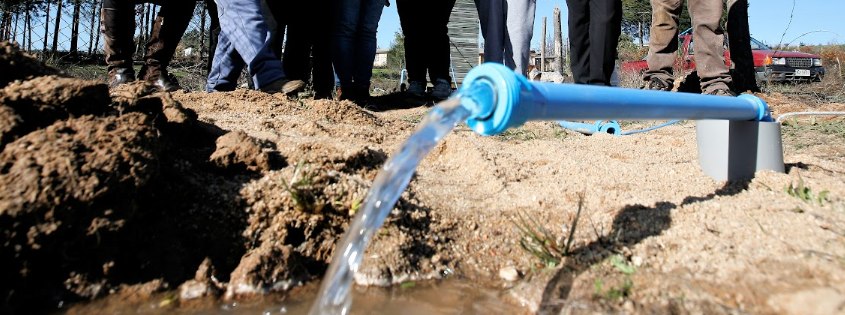
Arauco's "Water Challenge Programme" began in 2015 to address severe water scarcity in central-southern Chile, driven by a 30% rainfall reduction over 20 years alongside rising demand. This issue directly affects local communities and Arauco's operational sustainability, especially in its forest areas where water is a critical resource. By improving water access, the program aligns with Arauco's commitment to environmental stewardship, integrating water management into its broader business strategy for resilience and community well-being.
3. The Action
Implementing a Multi-Layered Approach to Water Management
The "Water Challenge Program" structured its initiatives into three key areas, focusing on large, medium, and small-scale solutions to address the specific water needs of diverse communities.
Large-Scale Projects
These initiatives targeted urban centers and larger populations, implementing complex infrastructure projects with significant investment. These are projects with high technical complexity and large-scale works (major investments), which provide an opportunity for active collaboration between ARAUCO and public and private institutions, leveraging resources and enabling the implementation of comprehensive, long-term projects.
Medium-Scale Projects
For semi-concentrated rural areas, the program focused on cost-effective and scalable solutions such as groundwater well deepening and facilitating rural potable water systems.
Small-Scale Projects
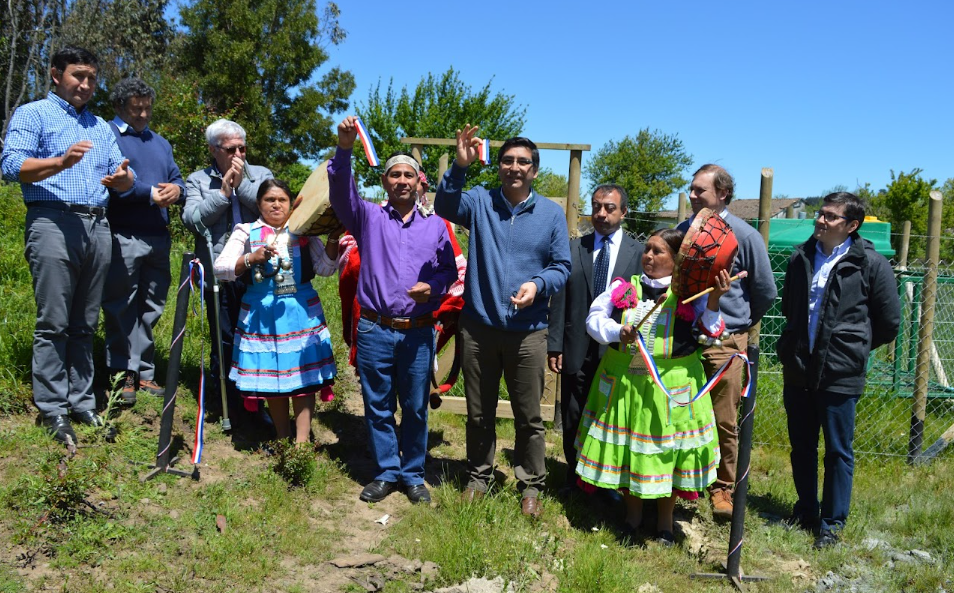
In rural, dispersed areas, Arauco developed localized solutions that empowered community members to implement, maintain, and replicate water infrastructure. Training programs were provided to equip locals with the necessary skills to sustain these systems.
In addition to these specific initiatives, transversal actions were undertaken to ensure the long-term sustainability of all projects.
Public-Private Collaboration
By working with local authorities and community leaders, ARAUCO ensures that projects are sustainable and meet the unique needs of each area.
Training
ARAUCO developed a program to train local monitors in water and soil resource management.
Water Quality Monitoring
The company introduced systems to track water quality parameters in forest watersheds near community water sources.
4. Overcoming Barriers
High Technical Complexity
Ensuring large-scale, long-term infrastructure projects required overcoming significant technical hurdles, especially in rural, remote areas.
Financial Constraints
The considerable financial investment needed for large-scale projects posed a barrier that was mitigated through public-private collaboration, securing funding and expanding the program's scope.
Community Engagement
Overcoming skepticism and gaining community buy-in for new technologies and management practices required involving communities from the beginning alongside educational efforts.
5. Impacts & Results
Completed 140 water-related projects across 49 communes in Chile.
Improved water access for over 55,000 people, directly benefiting local populations.
Delivered training on water and soil resource management to more than 380 communities across 22 communes.
Mapped and reviewed over 1,000 water intake structures, supporting water supply systems for nearly 600,000 people in neighboring communities.
6. Key Lessons Learned
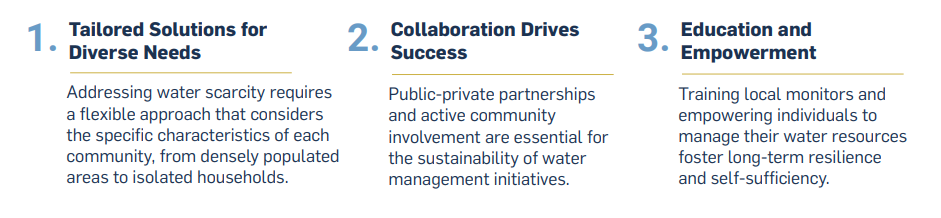

"This collaborative model has enabled us to deliver real solutions that benefit neighboring communities and strengthen the resilience of the territory. With more than 140 rural drinking water projects and a registry of over one thousand water intake structures, the program reflects a committed and coordinated approach with multiple stakeholders”
Maria Soledad Vidal, Sustainability and Impact Manager
7. Company Commitment
Arauco has been a committed participant in several Global Compact initiatives:
Conecta Awards Global Compact Chile
Climate Ambition Accelerator Participant (2024)
8. Recommended Resources
Recommended United Nations Global Compact Resources


Download Case Study
Disclaimer: This case example is intended strictly for learning purposes and does not constitute an endorsement of the individual companies by the United Nations Global Compact.