
24 Women Breaking into Field Leadership in Sri Lanka’s Tea Plantations
Start Reading

1. Company at a Glance
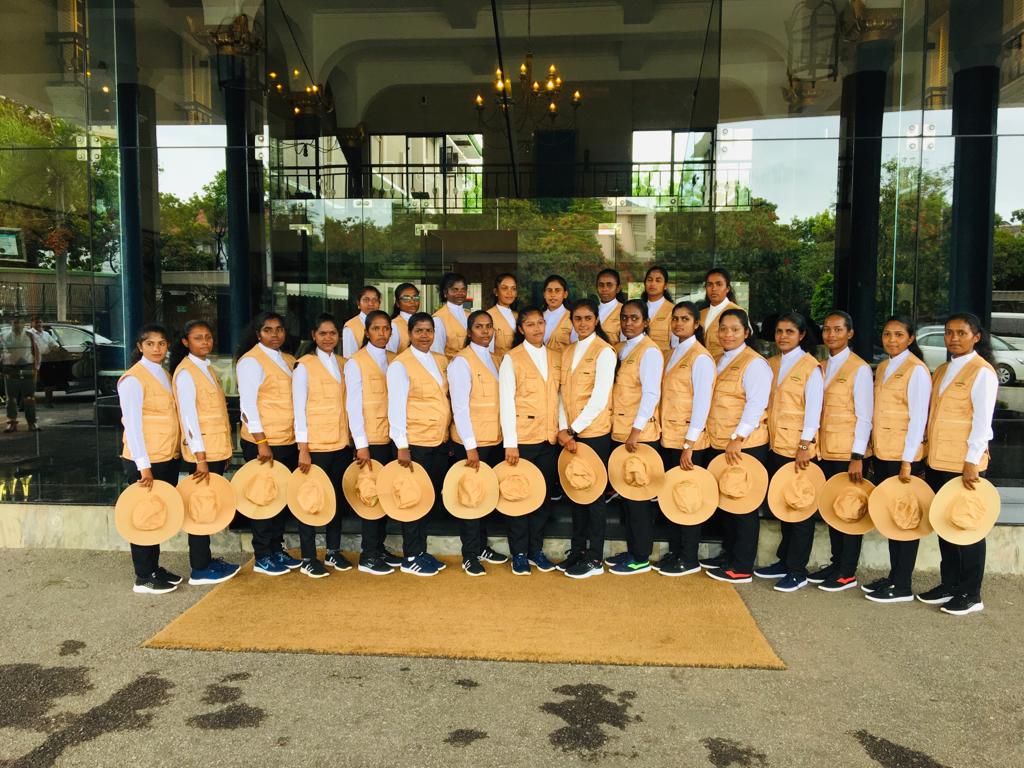
In Sri Lanka’s tea plantation sector, women have long been central to field operations but largely absent from supervisory roles. As part of its broader gender equality and human capital agenda, Talawakelle Tea Estates PLC (TTE) launched HerLead, a targeted initiative to create a practical pathway for women from plantation communities into field-level leadership. In this good practice, we will explore how TTE selected, trained and deployed 24 women as field supervisors by combining leadership commitment, community- based recruitment, structured training and workplace preparation.
Agriculture / Tea plantations and manufacturing
Industry
1992
Founded
Colombo, Sri Lanka
Headquarters
4,849
Number of Employees
2. The Challenge
Moving Women from Participation to Progression
Maintaining a stable and engaged field workforce is critical to the long-term productivity and sustainability of tea plantation operations. However, like many companies in the sector, Talawakelle Tea Estates PLC (TTE) faced persistent workforce turnover among tea harvesters, affecting operational continuity and employee retention.
Because women make up the majority of the company’s tea-harvesting workforce, TTE recognised that traditional supervisory structures did not always reflect the realities of the field. Supervisory positions had historically been held by men, limiting opportunities for women while reducing the company’s ability to build stronger engagement with its predominantly female workforce.
The company identified an opportunity to address both challenges simultaneously. By creating a pathway for women from plantation communities to become field supervisors, TTE sought to strengthen communication, build trust with tea harvesters, improve employee engagement and retention, while also expanding career opportunities for women within the organisation.
As part of its broader gender equality and human capital strategy, TTE launched HerLead, an initiative designed to prepare and deploy women into field-level leadership roles.
3. The Action
Creating a Pathway from Field Work to Field Leadership
With senior management, HR leadership and estate management teams aligned, TTE launched the HerLead programme. This support was essential because the initiative required changes in recruitment, training, workplace culture and daily estate operations:
OPEN THE OPPORTUNITY TO WOMEN FROM PLANTATION COMMUNITIES
The company launched the opportunity at estate level through posters, awareness discussions and direct communication with communities. The process targeted eligible women from plantation communities. More than 450 women applied.
USE A TRANSPARENT SELECTION PROCESS
TTE shortlisted candidates using minimum educational requirements, including completion of Ordinary Level examinations, and conducted interviews with experienced estate management personnel. From this process, 24 women were selected for the first cohort.
The 24 selected women became the first female field supervisors in the industry’s history. They were assigned responsibilities including daily field supervision, worker coordination, communication between workers and estate management, monitoring field practices, and supporting discipline in field operations.
TRAIN PARTICIPANTS FOR THE REAL RESPONSIBILITIES OF THE ROLE
The selected women completed a six-month paid training programme covering tea cultivation, harvesting methods, field operations, productivity management, worker coordination, quality expectations, occupational discipline, communication, leadership and people management.
The training included both theoretical and practical components. Participants gained exposure to field operations and factory processes, helping them understand the full tea value chain and how field-level decisions affect productivity, quality and worker wellbeing.
Because field supervision had traditionally been male-dominated, the training also included coaching and confidence-building sessions. This helped participants prepare for the social and leadership challenges of exercising authority in the field.
Through the process, participants completed written and oral assessments linked to their training. This helped ensure that deployment was based on capability, discipline and readiness, rather than symbolic appointment.
PREPARE THE WORKPLACE, NOT ONLY THE WOMEN
TTE addressed workplace readiness through awareness and sensitization for executives, a gender grievance committee training, Gender-Based Violence prevention strategy and policy, women inclusion sessions and engagement with estate teams. This helped reduce resistance and support the acceptance of women in authority.
EXPAND CAREER PATHWAYS FOR THE NEXT GENERATION
Beyond appointing the first cohort of female field supervisors, TTE focused on building a more robust talent pipeline for its female workers by promoting 30 female tea harvesters to team leader roles, creating an additional progression step between manual-grade work and formal supervisory positions.
Building on these experiences, the company has expanded its approach through the EmpowerU initiative, which creates career pathways for young women and men from plantation communities into field, factory and office roles, helping strengthen the long-term talent pipeline for the plantation sector.
PREPARE THE WORKPLACE, NOT ONLY THE WOMEN
TTE monitored both quantitative and qualitative indicators to evaluate the programme’s impact. Quantitative measures included field workforce retention and new employee recruitment, while qualitative feedback focused on participants’ self-confidence, sense of dignity and aspirations for their children’s future. This feedback was gathered through direct one-to-one discussions with participants, random informal check-ins and anonymous suggestion boxes, helping the company assess both operational improvements and the broader social impact of the initiative.

4. Overcoming Barriers
Limited confidence and leadership exposure
Many selected women had strong potential but limited experience in formal leadership. TTE supported them through coaching, gender awareness, practical training and on-the-job learning.
Workplace readiness
The company recognized that success depended not only on preparing women, but also on preparing managers, male supervisors and field teams to accept women in authority. This meant fostering a more inclusive and diverse company culture where women in leadership were accepted and supported.
Credibility of the first cohort
As the first women entering these roles, the participants had to prove that change was possible. TTE reinforced their legitimacy through written and oral assessments, senior management backing and formal deployment into operational roles.
Moving beyond symbolic representation
TTE avoided treating the appointments as ceremonial. The women were trained for real supervisory responsibilities, including worker coordination, field monitoring, communication with estate management and operational discipline.
5. Impacts & Results
24 women were selected, trained and assigned as female field supervisors.
30 female tea harvesters were promoted into team leader roles.
Women represented 51.6% of TTE’s workforce in FY 2025/26: 2,503 of 4,849 employees. TTE maintained a 1:1 gender pay-equity ratio across the workforce and at leadership level.
Women accounted for 39% of new recruits in FY 2025/26: 357 of 906 new employees.
Women received 18,067 training hours, a 22.5% increase from the previous year.
6. Key Lessons Learned
Start with a specific barrier, not a broad slogan
TTE’s lesson was that gender equality becomes actionable when the company identifies the exact point where women are excluded.
Give women real roles with authority
Symbolic visibility is not enough. The initiative worked because women were trained and deployed into formal supervisory roles with operational responsibilities, accountability and career value.
Protect the first cohort
When a company challenges a long-standing norm, the first group carries extra pressure. Training, mentoring, assessments and visible leadership support helped make the appointments credible.
Inclusion becomes real when it changes progression
The central lesson is that inclusion is not only about women participating in the workforce. It becomes structural when women gain access to authority, recognition and career progression.

"As pioneers, we knew that there would be some challenges; but we had a very clear strategic plan to overcome them.The success of “HerLead” reaffirmed our belief that investing in people transforms lives while benefits the company.”
Sangeetha Dharmasekara, General Manager – Human Resources, Talawakelle Tea Estates PLC
7. Company Commitment
Talawakelle Tea Estates PLC has been a committed participant in several UN Global Compact initiatives since 2016:
Signatory of the CEO Water Mandate
Participant in the Climate Ambition Accelerator
Participant in the Business and Human Rights Accelerator
Participant in the SDG Innovation Accelerator
Net-Zero Commitment, with an approved net-zero target

8. Recommended Resources
Recommended UN Global Compact Resources



Download Case Study
Disclaimer: This case example is intended strictly for learning purposes and does not constitute an endorsement of the individual companies by the UN Global Compact.